



Erectile dysfunction
Also known as: impotence, erection problems, ED
Erectile dysfunction, also called impotence, is being unable to get or keep an erection.
When to seek care
For erection problems that keep happening, a routine appointment with a GP or a visit to a sexual health clinic is the route the NHS names. NHS inform says to contact the GP practice if symptoms have lasted more than a few months, self-help has not worked and the person is bothered by them. A painful erection that lasts a long time needs care at A&E according to the NHS, and NHS 111 Wales says to call 999 or go to A&E.
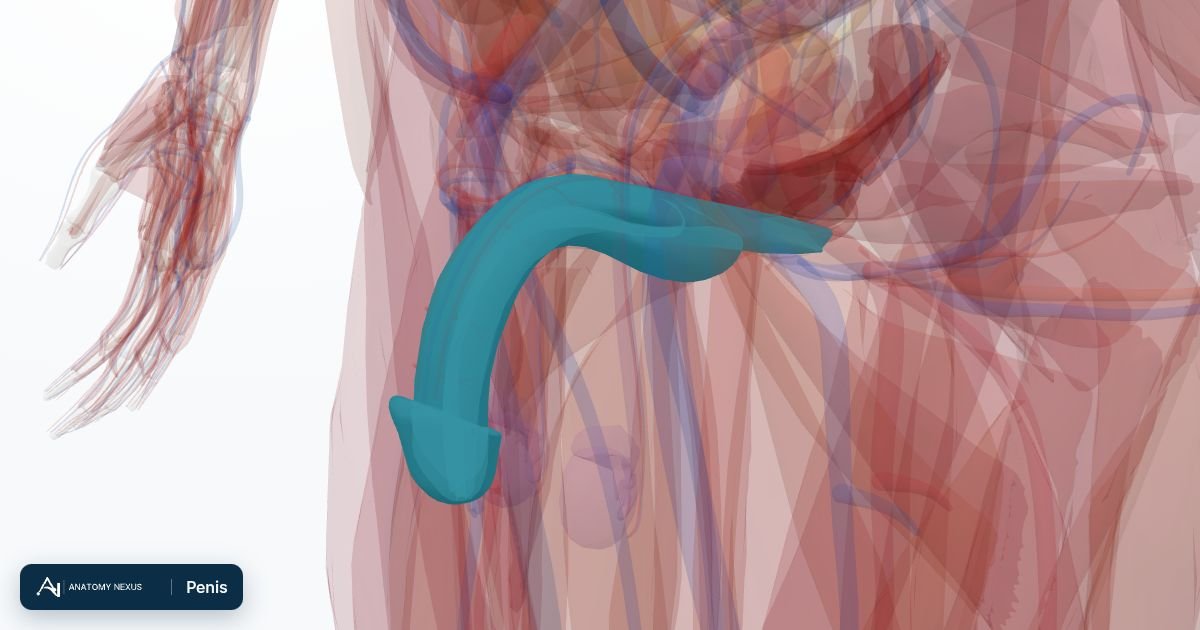
Overview
Erectile dysfunction, also called impotence, means being unable to get or keep an erection. Occasional problems are common and are often linked to stress, tiredness or heavy drinking. When the problem keeps happening, the NHS says it might be a sign of a health condition that can be treated, such as high blood pressure, high cholesterol or hormone problems. Treatment includes medicines called PDE-5 inhibitors, counselling and treatment of any underlying condition.
Causes
- Stress, tiredness or heavy drinking, for occasional problems
- Some medicines, as a side effect
- High blood pressure or high cholesterol
- Diabetes
- Anxiety
- Hormone problems
- Psychological factors such as performance pressure, anxiety or feelings about the partner or relationship
Risk factors
- Long-term conditions such as high blood pressure, high cholesterol and diabetes
- Heavy drinking
- Taking a medicine that can cause erection problems as a side effect
Complications
- It can be one of the first warning signs of atherosclerosis, according to the British Heart Foundation
Diagnosis
At an appointment, the doctor or nurse may ask about lifestyle and relationships, discuss any problems, carry out some health checks and examine the genitals to rule out physical causes.
Treatment
The NHS says the main treatments are medicines called PDE-5 inhibitors, which increase blood flow to the penis. Underlying conditions can also be treated. Counselling can help when emotional or mental health factors are involved. Vacuum pumps can be used when medicine is not suitable or does not work, though they are not always available on the NHS.
Prevention
The NHS lists stopping smoking, eating a healthy diet and exercising as lifestyle changes that can help.
Key facts
| Fact | Detail |
|---|---|
| Also called | Impotence, erection problems, ED |
| Usually assessed by | A GP or nurse, who asks about lifestyle and relationships, carries out health checks and examines the genitals |
| Main medicines | PDE-5 inhibitors, which increase blood flow to the penis |
| Other options | Counselling, treating underlying conditions and vacuum pumps |
| Linked conditions | High blood pressure, high cholesterol, diabetes, hormone problems and atherosclerosis |
| Route to care | GP or sexual health clinic for ongoing problems; A&E or 999 for a painful erection that lasts a long time |
What is erectile dysfunction?
The NHS describes erectile dysfunction, also called impotence, as being unable to get or keep an erection. The NHS says that occasional problems with erections are common. Occasional problems are often linked to stress, tiredness or heavy drinking, according to the NHS. When the problem keeps happening, the NHS says it might be a sign of a health condition that can be treated. High blood pressure, high cholesterol and hormone problems are among the conditions the NHS links to it, and the Sexual Advice Association says erection problems can be associated with diabetes. The NHS says a GP or a sexual health clinic is the place to go when erection problems keep happening, and that sexual health clinics can offer the same treatment as a GP. NHS inform adds that people are advised to contact their GP practice when symptoms have lasted more than a few months, self-help has not worked and the problem is bothering them.
What can cause erection problems?
The NHS says some medicines can cause erection problems as a side effect. Long-term conditions can also play a part, including high blood pressure, high cholesterol and diabetes, and the NHS mentions hormone problems as another cause. The British Heart Foundation notes that stress, anxiety or excessive alcohol can contribute, and that some heart medicines can too. Heavy drinking is one of the everyday reasons the NHS gives for occasional problems. The Sexual Advice Association explains that erection problems that only happen with a partner can still have a physical cause. For that reason, it says a check with a GP comes first. If the physical checks come back clear, it says psychological causes may be involved. It gives performance pressure, anxiety and feelings about the partner or relationship as examples, and also lists a traumatic experience, attraction issues and a fear of climaxing with someone else.
Can erectile dysfunction be a sign of heart disease?
The Sexual Advice Association says erection problems can be an early sign of heart disease. It also says they can be associated with diabetes. The British Heart Foundation explains that during an erection the arteries to the penis widen to let more blood flow in. If arteries in the body are affected by atherosclerosis, blood flow is reduced, including to the penis. The charity notes that because the arteries of the penis are so narrow, erection problems can be one of the first warning signs. MedlinePlus, a US health resource, also describes erectile dysfunction as a flag for a higher risk of atherosclerosis and its complications. It says that in its early stages atherosclerosis often does not cause any symptoms. For these reasons, the Sexual Advice Association says a thorough check by a GP matters. The British Heart Foundation also notes that some heart medicines can contribute to erection problems.
How is erectile dysfunction diagnosed?
The NHS says that at an appointment the doctor or nurse may ask about lifestyle and relationships, discuss any problems, carry out some health checks and examine the genitals to rule out physical causes. The Sexual Advice Association says a GP check is the first step, so that physical causes can be looked for. If the physical checks come back clear, it says psychological causes may be involved. The NHS says a GP or a sexual health clinic is the place to go when erection problems keep happening. It says sexual health clinics can offer the same treatment as a GP, and that many have a walk-in service where an appointment is not needed. The NHS also says a doctor may switch a person to a different medicine if the medicine they take is causing the erection problem. Treatment for erection problems is described in the next section.
How is erectile dysfunction treated?
The NHS says the main treatments are medicines called PDE-5 inhibitors, which increase blood flow to the penis. The NHS names sildenafil, tadalafil, vardenafil and avanafil as examples. A NICE evidence summary says that first-line treatment is usually an oral PDE-5 inhibitor. The NHS says sildenafil can be bought from a pharmacy after a conversation with the pharmacist, who checks general health and may refer the person to a doctor. It warns that medicines sold online are not always regulated and that ingredients can vary, so they may cause unpleasant side effects or may not be suitable. Treating an underlying condition is another approach. Counselling can help when emotional or mental health factors are involved, though the NHS says there can be a long wait for these services on the NHS. Vacuum pumps can be used when medicine is not suitable or does not work, though they are not always available on the NHS.
What helps with talking and everyday life?
The NHS lists lifestyle changes that can help, including stopping smoking, eating a healthy diet and exercising. It also lists losing weight for people who are overweight, and NHS 111 Wales mentions reducing stress and anxiety. The Sexual Advice Association suggests telling a partner that things need to go slowly, and focusing on kissing and cuddling rather than on getting an erection. It describes sex therapy as a talking therapy in which an individual or couple works with an experienced therapist to assess and treat sexual or relationship problems. It says a GP or another NHS health professional may be able to refer someone for sex therapy, depending on the area. Sex therapy can also be arranged by contacting a therapist directly and paying privately. If problems continue, it suggests a sex therapist.
When is it an emergency?
A painful erection that lasts a long time is called priapism. The NHS says a prolonged erection needs care at A&E because of the risk of permanent damage. NHS 111 Wales says a person with this problem should not drive themselves, and that someone else can drive or 999 can be called. Hospital trust leaflets describe sickle cell disease as the most common cause of priapism. They say that, if it is not treated, priapism can lead to scarring and a lasting inability to get an erection. They also say hospital treatment can include draining blood from the penis with a needle, medicines and, sometimes, surgery. NHS 111 Wales gives a shorter time limit than the NHS priapism page, so the length of time that counts as an emergency differs between sources. Ordinary erection problems that keep happening are different, and the NHS says a GP or sexual health clinic is the place to start.
Frequently asked questions
Is erectile dysfunction common?
The NHS says that occasional problems with erections are common. Occasional problems are often linked to stress, tiredness or heavy drinking, according to the NHS. When the problem keeps happening, the NHS says it might be a sign of a health condition that can be treated, such as high blood pressure, high cholesterol or hormone problems. The NHS says a GP or a sexual health clinic is the place to go when erection problems keep happening.
Can erectile dysfunction be a sign of another health problem?
The NHS says persistent erection problems might be a sign of a health condition that can be treated, and it links high blood pressure, high cholesterol and hormone problems to them. The Sexual Advice Association says erection problems can be an early sign of heart disease and can be associated with diabetes. The British Heart Foundation says they can be one of the first warning signs of atherosclerosis. The Sexual Advice Association says a thorough check by a GP matters for this reason.
What treatments are there?
The NHS says the main treatments are medicines called PDE-5 inhibitors, which increase blood flow to the penis. The NHS also names counselling, treatment of underlying conditions and vacuum pumps. Which options are available on the NHS can vary, and the NHS says vacuum pumps are not always available on the NHS. Counselling services can have a long wait on the NHS.
Can worry or stress cause it?
The NHS links occasional problems to stress, tiredness and heavy drinking. The Sexual Advice Association lists performance pressure, anxiety and feelings about the partner or relationship as psychological causes. It says these are considered once a GP has checked for physical causes. Counselling can help when emotional or mental health factors are involved.
Connected pages in detail
What each linked page on Anatomy Nexus covers, in a line, for Erectile dysfunction.
Conditions
- Type 2 diabetes A metabolic disease in which the body's cells respond poorly to insulin (insulin resistance) and the pancreas gradually fails to compensate.
- High blood pressure (hypertension) Persistently raised arterial pressure, usually defined as 140/90 mmHg or more in the clinic (135/85 on home readings).
- Coronary artery disease Narrowing of the coronary arteries by fatty plaque (atherosclerosis), limiting blood flow to the heart muscle.
Guides and news
- Erection problems and seeing a GP Erection problems are common and can have physical causes, and the NHS advises seeing a GP if they keep happening.