



Fatty liver disease (MASLD)
Also known as: NAFLD, non-alcoholic fatty liver disease, metabolic dysfunction-associated steatotic liver disease, MASH, NASH, fatty liver
A common condition in which fat builds up in the liver, often linked to being overweight.
When to seek care
The NHS says a person with diagnosed cirrhosis who has yellow skin or eyes, or swelling in the tummy, legs, ankles or feet, should ask for an urgent GP appointment or contact NHS 111. The NHS says to call 999 or go to A&E for vomiting blood, very dark or black tarry stools, or periods of confusion or drowsiness. MedlinePlus advises seeing a health care provider for unusual symptoms such as fatigue or abdominal pain.
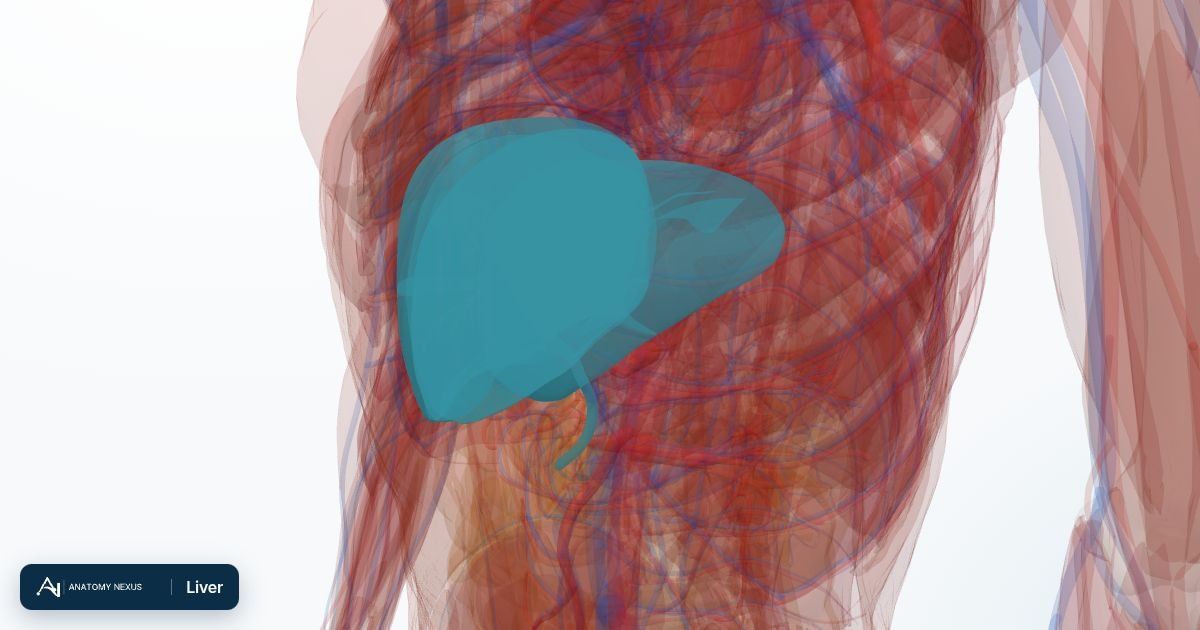
Overview
Fatty liver disease linked to metabolic problems is now called MASLD and was formerly known as non-alcoholic fatty liver disease (NAFLD). The NHS says it is a common condition that can usually be treated with healthy lifestyle changes. It does not usually cause symptoms and is often found when tests done for another reason show a problem with the liver. The British Liver Trust says that in some people it can progress to scarring, and in a small number to cirrhosis, liver failure or liver cancer.
Causes
- Fat builds up in the liver, often in people who are overweight.
- Experts are still studying the causes; NIDDK names certain health problems and genes among possible contributors.
Risk factors
- Being overweight
- An unhealthy diet
- Type 2 diabetes
- Polycystic ovary syndrome
- Being over 50
Symptoms
What a clinician may find
- Often none
- Yellow skin and eyes (jaundice), itchy skin, or swelling of the legs, ankles, feet or tummy, when cirrhosis has developed
Complications
- Inflammation of the liver (MASH, formerly NASH)
- Scarring of the liver (fibrosis)
- Cirrhosis, the most advanced stage
- Liver failure and liver cancer in a small number of people
Diagnosis
The NHS says fatty liver disease can be diagnosed using blood tests and sometimes an ultrasound scan of the tummy. An NHS trust page says a GP may order further blood tests, and sometimes an ultrasound scan, to confirm fat in the liver, rule out other causes and check for liver damage. NIDDK says doctors may use blood tests, imaging tests and a liver biopsy to diagnose the disease and to tell simple fatty liver from the inflamed form. NICE recommends that people with the condition are offered testing for advanced liver fibrosis. It also says the enhanced liver fibrosis (ELF) test can be considered.
Treatment
The NHS describes healthy lifestyle change as the core treatment. When there is scarring of the liver, the NHS says a liver specialist may prescribe pioglitazone or vitamin E.
Prevention
The British Liver Trust says eating healthily, being physically active and staying at a healthy weight reduce the amount of fat in the liver. The NHS also advises not smoking.
Key facts
| Fact | Detail |
|---|---|
| Also called | NAFLD (non-alcoholic fatty liver disease); the inflamed form, MASH, was formerly NASH |
| Usual symptoms | Often none; some people feel tired or have discomfort under the right ribs |
| Often found | By blood tests or scans done for another reason |
| Main treatment | Healthy lifestyle change, including weight loss for people who are overweight |
| Linked conditions | Type 2 diabetes and polycystic ovary syndrome, according to the NHS; being overweight raises the risk |
| Possible progression | In some people scarring, and in a small number cirrhosis, liver failure or liver cancer (British Liver Trust) |
| Urgent signs | Yellow skin or eyes, or swelling of the tummy or legs, with cirrhosis: urgent GP appointment or NHS 111; vomiting blood: call 999 |
What is fatty liver disease?
Fatty liver disease means fat has built up in the liver. The NHS describes it as a common condition that is often linked to being overweight and can usually be treated with healthy lifestyle changes. It was long called non-alcoholic fatty liver disease, or NAFLD. The British Liver Trust says metabolic dysfunction-associated steatotic liver disease, or MASLD, will replace that name, and that some pages still use the older one.
The British Liver Trust describes MASH as the more serious form. MedlinePlus says NASH is now called MASH. NIDDK distinguishes simple fatty liver from the inflamed form, NASH, and describes both as part of the same disease. The British Liver Trust says that in some people MASLD can progress to liver scarring, called fibrosis. It says that in a small number of people it can lead to cirrhosis, liver failure or liver cancer. NIDDK notes that experts are still studying the causes, and names certain health problems and genes among possible contributors.
Does fatty liver disease cause symptoms?
The NHS says fatty liver disease does not usually cause any symptoms. NIDDK calls NAFLD and NASH most often silent diseases with few or no symptoms. An NHS trust page says the condition is often found when blood tests or scans done for another reason show a problem with the liver.
Some people do have symptoms. The NHS lists feeling very tired, feeling generally unwell, and pain or discomfort under the right side of the ribs. MedlinePlus lists fatigue and pain in the upper right abdomen as the most common symptoms when they do appear.
NHS 111 Wales describes jaundice (yellowing of the skin and eyes), itchy skin and swelling of the legs, ankles, feet or tummy as symptoms of cirrhosis, the most advanced stage. NIDDK warns, on its page for children, that once symptoms arise a child may already have permanent liver damage.
How is fatty liver disease diagnosed?
The NHS says fatty liver disease can be diagnosed using blood tests and sometimes an ultrasound scan of the tummy. An NHS trust page says a GP may order further blood tests, and sometimes an ultrasound scan, to confirm fat in the liver, to rule out other causes and to check for liver damage. NIDDK says doctors may use blood tests, imaging tests and a liver biopsy to diagnose the disease and to tell simple fatty liver from the inflamed form.
Fibrosis means scarring of the liver. NICE recommends that people with the condition are offered testing for advanced liver fibrosis. It also says the enhanced liver fibrosis (ELF) test can be considered, and it advises against using routine liver blood tests on their own to assess for advanced fibrosis. NICE advises that adults and young people diagnosed with advanced fibrosis are referred to a specialist in hepatology, the branch of medicine that deals with the liver.
How is fatty liver disease treated?
The NHS describes healthy lifestyle change as the core treatment. It advises a healthy balanced diet, regular exercise, weight loss for people who are overweight, limiting alcohol and not smoking. The British Liver Trust says losing weight and eating a healthy diet is the first line of treatment. It says eating healthily, being physically active and staying at a healthy weight reduce the amount of fat in the liver, which can slow down, stop and even reverse MASLD and MASH. NIDDK names weight loss as the main recommendation.
An NHS trust page says that without liver damage, lifestyle changes are generally the only treatment needed. When there is scarring of the liver, the NHS says a liver specialist may prescribe pioglitazone or vitamin E. MedlinePlus, a US source, describes a medicine called resmetirom, used with diet and exercise, for adults with NASH without cirrhosis who have moderate to advanced scarring.
How is fatty liver disease linked to type 2 diabetes?
The NHS lists type 2 diabetes among the factors linked to fatty liver disease, together with polycystic ovary syndrome and being over 50. It says the risk is higher in people who are overweight or have an unhealthy diet.
NIDDK says that in people with NAFLD, type 2 diabetes and being overweight or having obesity are key risk factors for simple fatty liver progressing to NASH and fibrosis. A review reports that diabetes promotes progression from simple fatty liver to NASH and increases the risk of cirrhosis and liver cancer.
The British Liver Trust says that in some people fatty liver disease progresses to scarring, and in a small number to cirrhosis, liver failure or liver cancer.
When should a person get help?
The NHS says a person with diagnosed cirrhosis who has yellow skin or eyes, or swelling in the tummy, legs, ankles or feet, should ask for an urgent GP appointment or contact NHS 111. NHS 111 Wales gives similar advice for people with fatty liver disease and a liver condition who have jaundice, itchy skin or swelling.
The NHS says to call 999 or go to A&E for vomiting blood, very dark or black tarry stools, or periods of confusion or drowsiness, particularly when cirrhosis has been diagnosed.
MedlinePlus advises seeing a health care provider for unusual symptoms such as fatigue or abdominal pain.
Frequently asked questions
Can fatty liver disease be reversed?
The NHS says fatty liver disease can usually be treated with healthy lifestyle changes. The British Liver Trust says eating healthily, being active and staying at a healthy weight reduce liver fat, which can slow down, stop and even reverse MASLD and MASH. NIDDK says weight loss can reduce liver fat, inflammation and scarring. When there is fibrosis or cirrhosis, a liver specialist may be involved.
Is MASLD the same as NAFLD?
MASLD is the newer name for what was called non-alcoholic fatty liver disease, or NAFLD. The British Liver Trust says MASLD will replace the older name and that some pages still use it. The more serious inflamed form, MASH, was previously called NASH, and MedlinePlus says NASH is now called MASH.
Who is more likely to get fatty liver disease?
The NHS lists type 2 diabetes, polycystic ovary syndrome and being over 50, and says the risk is higher in people who are overweight or have an unhealthy diet. NIDDK says type 2 diabetes and being overweight or having obesity are key risk factors for progression to NASH and fibrosis. Its children's page adds that genes may also play a part.
What tests are used to look for it?
The NHS says blood tests and sometimes an ultrasound scan of the tummy can be used. NIDDK says doctors may also use other imaging tests and a liver biopsy. NICE recommends that people with the condition are offered testing for advanced liver fibrosis, and says the enhanced liver fibrosis (ELF) test can be considered.
Connected pages in detail
What each linked page on Anatomy Nexus covers, in a line, for Fatty liver disease (MASLD).
Conditions
- Cirrhosis Scarring of the liver from long-term damage, in which nodules of regenerating cells are surrounded by fibrous bands that distort blood flow and…
- Type 2 diabetes A metabolic disease in which the body's cells respond poorly to insulin (insulin resistance) and the pancreas gradually fails to compensate.
Symptoms
- Fatigue Persistent tiredness that rest does not fix.
- Abdominal pain Pain between the ribs and the pelvis.
- Swelling (oedema) Excess fluid in the tissues.
Medical tests
- Liver function tests A panel of enzymes and proteins that together show whether liver cells are injured, whether bile is flowing.
- Biopsy Removal of a small piece of tissue or a few cells so a pathologist can examine them under the microscope.
Imaging
- Ultrasound High-frequency sound waves bounced off tissue give real-time, radiation-free images, used for pregnancy, the abdomen, the heart (echocardiography).
Guides and news
- MHRA approves Wegovy for liver disease The MHRA approved Wegovy (semaglutide) on 3 July 2026 for MASH, a form of liver disease, in adults with moderate-to-advanced liver fibrosis.