



Hepatitis C
Also known as: hep C, HCV, hepatitis C virus
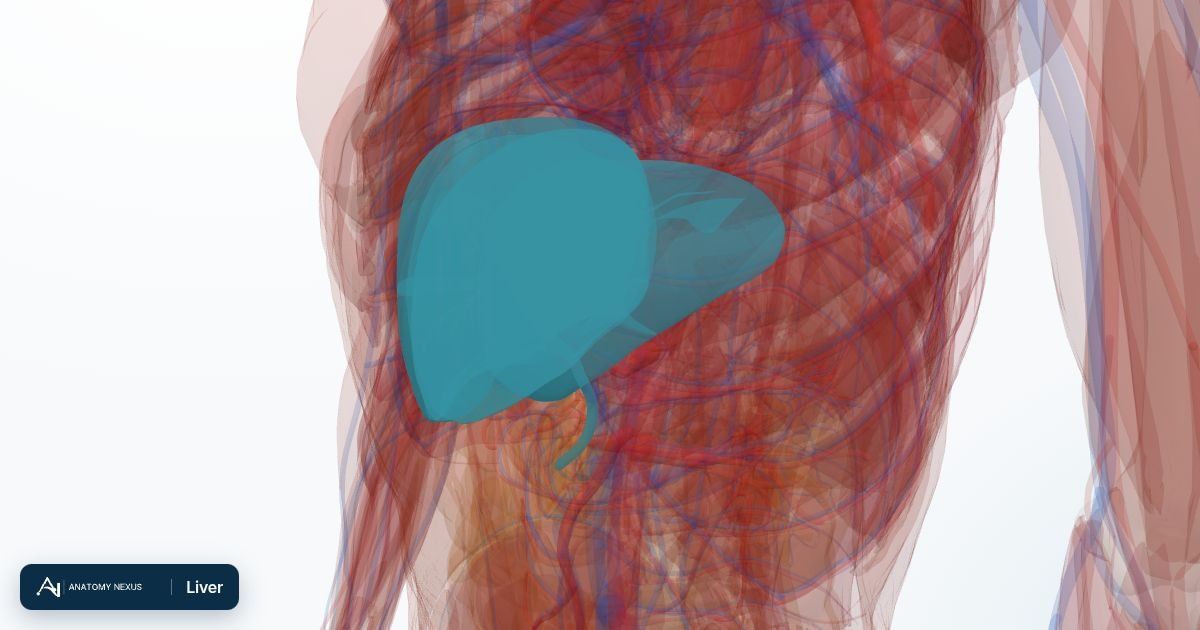
Hepatitis C is an infection with a virus that causes inflammation of the liver, which can damage the liver over time.
When to seek care
The NHS advises a GP appointment for anyone who has symptoms or thinks they could have been infected. The British Liver Trust recommends testing for people who have ever injected drugs or had a home-made or overseas tattoo, even if they feel well.
Overview
Hepatitis C is a virus that causes inflammation of the liver, and over time the inflamed liver can become damaged. Most people with hepatitis C have no symptoms, so many people do not know they have it. It is spread through contact with infected blood. It is diagnosed with a blood test, and treatment is a short course of antiviral tablets. Without treatment it can lead to cirrhosis, liver failure and liver cancer.
Causes
- Hepatitis C is caused by a virus that is spread through contact with infected blood.
- Casual contact does not spread the virus, and it is not passed on through breast milk, food or water, according to WHO.
Risk factors
- Sharing drug-injecting equipment.
- Medical or dental equipment that is reused or not properly sterilised, especially needles and syringes, according to WHO.
- Having had a blood transfusion in the UK in the past.
- Being the baby of a mother who has hepatitis C.
- Having a home-made or overseas tattoo, or a tattoo or piercing done with equipment that was not sterile.
Symptoms
What a clinician may find
- Yellowing of the skin or the whites of the eyes (jaundice) may be seen.
Complications
- Cirrhosis, which is scarring of the liver.
- Liver failure.
- Liver cancer.
- Complications may come more quickly with regular alcohol use or with hepatitis B or HIV as well.
Diagnosis
Hepatitis C is diagnosed using two blood tests, an antibody test and a PCR test. The antibody test shows past exposure, while a positive PCR test means the infection is current. Tests are available through GPs, sexual health clinics and drug treatment services.
Treatment
Treatment is with antiviral medicines. The medicines now used are tablets called direct-acting antivirals, taken daily for 8 to 12 weeks, according to the NHS. A specialist usually manages treatment.
Prevention
There is no vaccine for hepatitis C. Ways to reduce the risk include not sharing drug-injecting equipment, razors or toothbrushes.
Key facts
| Fact | Detail |
|---|---|
| Cause | A virus spread through contact with infected blood |
| Symptoms | Most people have none |
| Diagnosed by | An antibody blood test and a PCR blood test |
| Treatment | Antiviral tablets, taken daily for 8 to 12 weeks |
| Vaccine | None is available |
| Catching it again | Possible, even after treatment |
What are the symptoms of hepatitis C?
Most people with hepatitis C have no symptoms. Because of this, many people do not know they have the virus. When symptoms do appear, they can take weeks, months or even years to start. Early symptoms can include a high temperature, tiredness, tummy pain, loss of appetite, feeling or being sick, and yellowing of the skin or whites of the eyes, which is called jaundice. NHS 111 Wales says around 1 in 5 people who get symptoms also develop jaundice.
The British Liver Trust says about 8 in 10 people with a new, or acute, infection have no symptoms. Later on, untreated infection can bring tiredness, itchy skin, low mood, and problems with memory or concentration, the NHS says. These symptoms look like those of other illnesses, so the only way to know whether hepatitis C is the cause is to have a blood test.
How is hepatitis C spread?
Hepatitis C is spread through contact with infected blood, mainly blood-to-blood contact. In the UK, the NHS says sharing injecting equipment is the main route. It says people who inject drugs, including performance-enhancing drugs such as anabolic steroids, are at the highest risk. Other routes it lists include sharing razors or toothbrushes, unsterilised tattoo or piercing equipment, and blood transfusions in the UK in the past. WHO also lists the reuse or poor sterilisation of medical equipment, especially needles and syringes, and the transfusion of unscreened blood.
A baby can catch the virus from an infected mother. GOV.UK guidance for GPs says the chance is higher when the mother also has HIV. The NHS describes sexual transmission as rare. WHO says the virus is not spread through casual contact such as hugging, kissing or sharing food and drink. It is also not spread through breast milk, food or water.
The British Liver Trust recommends testing for people who have ever injected drugs or had a home-made or overseas tattoo, even if they have no symptoms.
How is hepatitis C diagnosed?
Hepatitis C is diagnosed using two blood tests, an antibody test and a PCR test. The antibody test shows whether a person has ever been exposed to the virus. A positive PCR test shows the infection is current. The NHS says results usually come back within 2 weeks. The British Liver Trust describes the same order, with a positive antibody test followed by an RNA test to confirm active infection.
GP surgeries, sexual health clinics, genito-urinary medicine clinics and drug treatment services all offer testing. People aged 18 or over in England can also order a free home test kit from the NHS. The test involves pricking a finger and sending the blood off to be tested.
If hepatitis C is diagnosed, the person is usually referred to a specialist for treatment. The NHS says the doctor will also assess the liver for damage, either with a blood test or with a scan called a fibroscan.
How is hepatitis C treated?
Hepatitis C is treated with antiviral medicines. The NHS says these are tablets taken every day for 8 to 12 weeks, and that it is important to finish the course for treatment to work. The British Liver Trust calls the medicines direct-acting antivirals. The NHS says most people have very few side effects, or none.
The NHS says these medicines cure 9 out of 10 patients, and another NHS source gives a figure of more than 95 in 100. WHO also reports that direct-acting antivirals cure more than 95 in 100 people. A blood test at the end of treatment shows whether the virus has cleared, and a second blood test follows 12 or 24 weeks after treatment stops. MedlinePlus describes a cure as the virus no longer being detectable in the blood 12 weeks or more after treatment.
With a new infection, a clinician may wait to see whether it becomes long-lasting before starting treatment. NHS England says treatment is also available for children aged 3 and over.
What is the outlook for hepatitis C?
MedlinePlus says most people who are infected go on to have long-lasting, or chronic, hepatitis C unless they are treated. Chronic infection often goes unnoticed until liver damage appears, which can happen decades after infection. Without treatment, it can lead to scarring of the liver, called cirrhosis, as well as liver failure and liver cancer. MedlinePlus says early diagnosis and treatment can prevent these complications. The NHS says complications may come more quickly with regular alcohol use or with hepatitis B or HIV as well.
The British Liver Trust says that if the virus is stopped early enough, the liver can start to heal. It advises people who are recovering to drink only a very small amount of alcohol, and says a doctor may advise no alcohol at all if liver damage is more severe.
The NHS says successful treatment does not give protection against getting hepatitis C again, so catching it a second time is possible. There is no vaccine for hepatitis C.
Frequently asked questions
Can the virus be cleared with treatment?
The NHS says antiviral tablets cure 9 out of 10 patients, and WHO reports that direct-acting antivirals cure more than 95 in 100 people. Treatment is a course of daily tablets for 8 to 12 weeks. Blood tests at the end of treatment and again later check whether the virus has cleared. A specialist usually manages treatment.
Does hepatitis C always cause symptoms?
No. Most people with hepatitis C have no symptoms. Any symptoms that appear can take weeks, months or years to start. The British Liver Trust says about 8 in 10 people with a new infection have no symptoms. Because of this, many people only find out once they get symptoms of liver disease, so testing is recommended for people who may have been exposed.
Can hepatitis C be caught more than once?
Yes. The NHS says successful treatment does not give protection against getting hepatitis C again, so it can be caught a second time. There is no vaccine for hepatitis C. Ways to lower the risk include not sharing drug-injecting equipment, razors or toothbrushes, which GOV.UK guidance for GPs also advises.
Can hepatitis C be passed on through sex or from mother to baby?
The NHS describes sexual transmission as rare. A baby can catch the virus from an infected mother, and GOV.UK guidance for GPs says the chance is higher when the mother also has HIV. WHO says casual contact does not spread the virus, and it is not passed on through breast milk, food or water.
How can someone get tested for hepatitis C?
Hepatitis C is diagnosed using an antibody blood test and a PCR blood test. GP surgeries, sexual health clinics and drug treatment services offer testing. People aged 18 or over in England can also order a free home kit from the NHS, which involves pricking a finger and sending the blood off to be tested. Results usually come back within 2 weeks.
Connected pages in detail
What each linked page on Anatomy Nexus covers, in a line, for Hepatitis C.
Conditions
- Cirrhosis Scarring of the liver from long-term damage, in which nodules of regenerating cells are surrounded by fibrous bands that distort blood flow and…
Symptoms
- Fatigue Persistent tiredness that rest does not fix.
- Nausea The unpleasant sensation of being about to vomit.
- Vomiting Forceful emptying of the stomach through the mouth, a protective reflex run by the brainstem that closes the airway.
- Fever A body temperature of 38 °C (100.4 °F) or more, produced when the hypothalamus raises its set point in response to inflammatory signals.
- Abdominal pain Pain between the ribs and the pelvis.