



Irritable bowel syndrome (IBS)
Also known as: IBS, irritable bowel
A long-term digestive condition with repeated abdominal pain and changes in bowel habit, but no visible damage or disease in the digestive tract.
When to seek care
The NHS suggests seeing a GP when IBS may be the cause and symptoms have lasted more than 4 weeks. NHS inform advises contacting the GP urgently for a change in bowel habit lasting more than 6 weeks, especially over the age of 50, or for unexplained weight loss, a lump in the tummy or back passage, or bleeding from the back passage.
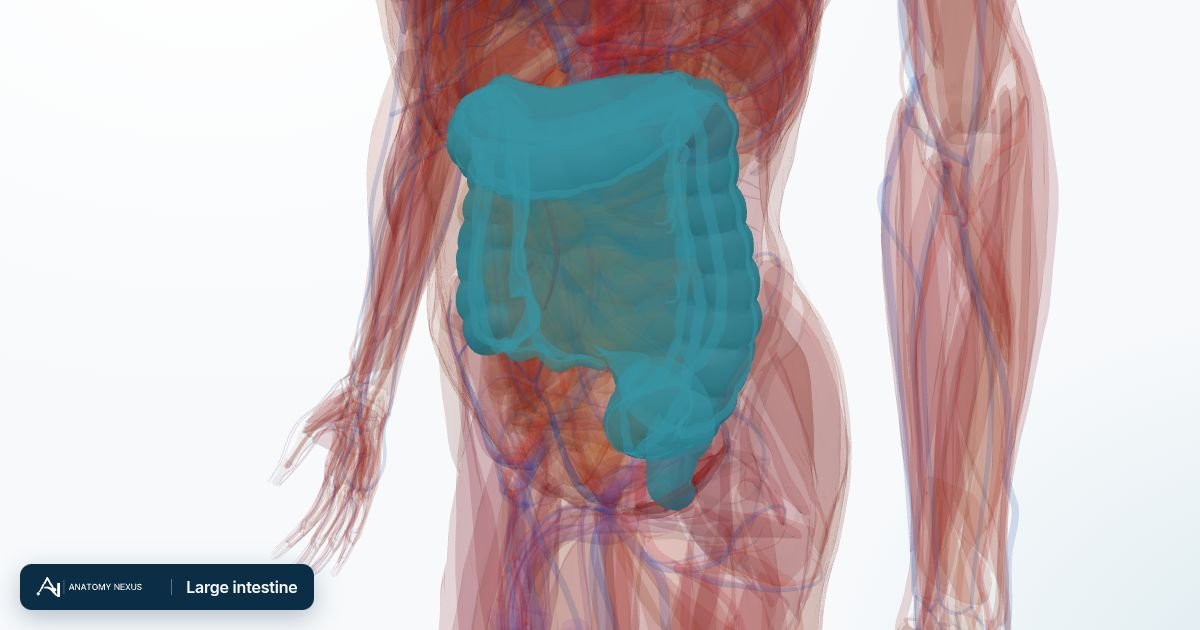
Overview
Irritable bowel syndrome (IBS) is a common long-term condition of the digestive system. It causes stomach cramps, bloating, diarrhoea and constipation, and these symptoms tend to come and go. The NHS says it is usually a lifelong problem, although changes to diet and lifestyle and medicines can help. The exact cause is unknown. MedlinePlus says it affects about twice as many women as men and is most often found in people younger than 45.
Causes
- The exact cause is unknown.
- It has been linked to food moving through the gut too quickly or too slowly.
- It has been linked to oversensitive nerves in the gut.
- Experts think problems with brain-gut interaction may play a part.
- Stress and a family history of IBS have also been linked to it.
Risk factors
- Family history of IBS
- Stress
- Gastroenteritis (a gut infection) is listed by NHS inform among the things IBS has been linked to
- Being female: about twice as many women as men are affected
- Flare-up triggers include alcohol, caffeine, spicy or fatty foods, stress and anxiety, and regular antibiotic use
Symptoms
What a clinician may find
- Often no visible sign of damage or disease in the digestive tract
- Examination may check for warning features such as unexplained weight loss, rectal bleeding or lumps in the tummy, which prompt further investigation
Complications
- IBS can be painful, but it does not damage the digestive tract
- One cross-sectional survey found people with self-reported IBS reported more diet-related anxiety and worry than people without IBS
Diagnosis
There is no test that confirms IBS. A doctor can usually diagnose it from the typical symptoms. Tests are used to rule out other conditions. A GP may arrange a blood test for coeliac disease and stool tests for infection or inflammatory bowel disease. NICE guidance suggests considering IBS when a person has abdominal pain or discomfort, bloating or a change in bowel habit. Assessment includes looking for red flag features, and a positive diagnosis can be made once these and other causes such as coeliac disease are ruled out.
Treatment
Diet and lifestyle changes are the first step, and medicines can be considered if these do not control symptoms. The choice of medicine depends on the main symptom: antispasmodics or peppermint oil for pain and bloating, loperamide for diarrhoea, and laxatives for constipation. Low-dose tricyclic antidepressants are sometimes used for pain. Cognitive behavioural therapy and gut-directed hypnotherapy are other options. A low FODMAP diet is described as best followed with support from a dietitian, and a GP can refer to one.
Prevention
The NHS lists alcohol, caffeine, spicy or fatty foods, stress and anxiety and regular antibiotic use as triggers of flare-ups. NHS trust self-help guides describe keeping a food and symptom diary, regular exercise and managing stress.
Key facts
| Fact | Detail |
|---|---|
| Also called | IBS |
| Type of condition | A long-term digestive condition whose symptoms come and go |
| Main symptoms | Stomach pain or cramps, bloating, diarrhoea and constipation |
| Usually diagnosed by | A doctor, from the typical symptoms, with tests to rule out other conditions |
| Cause | Not known; several links have been proposed |
| Who it affects | About twice as many women as men, according to MedlinePlus |
| Outlook | Usually lifelong, but diet, lifestyle changes and medicines can help |
What are the symptoms of IBS?
The main symptoms of IBS are stomach pain or cramps, bloating, diarrhoea and constipation. Some people have mostly diarrhoea, some mostly constipation, and some have both. The NHS says symptoms tend to come and go, and an episode can last for days, weeks or months at a time. Other symptoms the NHS lists include wind, passing mucus with stools, tiredness, feeling sick, backache and pelvic pain.
NIDDK adds that a feeling of not having finished a bowel movement, and whitish mucus in the stool, can occur. It also says women with IBS often have more symptoms during their periods. IBS can be painful, but NIDDK says it does not damage the digestive tract. NHS inform says the symptoms are similar to those of coeliac disease and inflammatory bowel disease, so doctors rule those conditions out.
What causes IBS and what triggers flare-ups?
The NHS says the exact cause of IBS is not known. It has been linked to food moving through the gut too quickly or too slowly, oversensitive nerves in the gut, stress and a family history of IBS. NIDDK says experts think a combination of problems may lead to IBS, and that different factors may cause it in different people. One idea it describes is a problem with brain-gut interaction, which may change how fast food moves through the digestive tract. NHS inform also lists gastroenteritis, a gut infection with diarrhoea and vomiting, among the things IBS has been linked to.
Flare-ups can happen for no obvious reason, the NHS says. The common triggers it lists are alcohol, caffeine, spicy or fatty foods, stress and anxiety, and regular use of antibiotics. Keeping a food and symptom diary is one way described to spot personal triggers.
How is IBS diagnosed?
There is no single test for IBS, and doctors mostly rely on the pattern of symptoms. NICE guidance suggests considering IBS when a person has abdominal pain or discomfort, bloating or a change in bowel habit. Doctors check for red flag features, such as rectal bleeding or unexplained weight loss, and the NHS says the GP may also feel the tummy to check for lumps or swelling. If any red flags are present, NICE says the person should be referred for further investigation.
Tests are used mainly to rule out other conditions. A GP may order a blood test for coeliac disease and stool tests for infection or inflammatory bowel disease. NICE says faecal calprotectin testing is an option to help tell inflammatory bowel disease from IBS in adults. Once warning features and other causes such as coeliac disease are ruled out, a positive diagnosis of IBS can be made. NIDDK notes that IBS shows no visible signs of damage or disease in the digestive tract.
How is IBS treated?
Guidance describes diet and lifestyle measures as the first step, with medicines considered if these do not control symptoms. Self-help described in NHS trust guides includes keeping a food and symptom diary, taking regular exercise and finding ways to manage stress. NICE says healthcare professionals should review fibre intake, and that insoluble fibre such as bran should be discouraged. A low FODMAP diet is described as best followed with support from a dietitian, and a GP can refer to one. NIDDK describes FODMAPs as carbohydrates that are hard to digest.
The choice of medicine depends on the main symptom. Antispasmodics can ease abdominal pain, peppermint oil may help bloating, and loperamide is used for diarrhoea. Laxatives are used for constipation. Low-dose tricyclic antidepressants are sometimes used for pain. NIDDK lists cognitive behavioural therapy and gut-directed hypnotherapy as mental health therapies for IBS, and NHS talking therapy services offer CBT for IBS.
Who gets IBS and when should it be checked by a doctor?
MedlinePlus says IBS is common, affects about twice as many women as men, and is most often found in people younger than 45. NIDDK gives a slightly different age picture, saying people younger than 50 are more likely to develop IBS than people older than 50.
The NHS suggests seeing a GP if IBS may be the cause and symptoms have lasted more than 4 weeks. NHS inform advises contacting the GP urgently for a change in bowel habit lasting more than 6 weeks, especially over the age of 50, and for unexplained weight loss, a lump in the tummy or back passage, or bleeding from the back passage. NHS 111 Wales similarly says to ask for an urgent appointment after losing a lot of weight for no reason or bleeding from the bottom. These are among the red flag features clinicians check for before making a diagnosis of IBS.
Frequently asked questions
Can IBS be cured?
The NHS says there is no cure for IBS and that it is usually a lifelong problem. Symptoms tend to come and go, and changes to diet and lifestyle, together with medicines, can often help control them. Psychological treatments such as cognitive behavioural therapy and hypnotherapy are also options for some people.
Is IBS the same as inflammatory bowel disease?
They are different conditions, although NHS inform says the symptoms are similar, so inflammatory bowel disease has to be ruled out. Doctors may use blood and stool tests to help tell them apart. NIDDK says IBS shows no visible signs of damage or disease in the digestive tract. NICE says faecal calprotectin testing is an option to help tell inflammatory bowel disease from IBS in adults.
Does IBS damage the bowel?
NIDDK says IBS can be painful but does not damage the digestive tract. Doctors still look for warning features, such as rectal bleeding or unexplained weight loss. When these are present, NICE says the person should be referred for further investigation to find the cause.
Can stress cause IBS?
The NHS lists stress among the factors linked to IBS, and says stress and anxiety can trigger flare-ups. The exact cause is unknown, and NIDDK says different factors may cause IBS in different people. NHS inform also lists gastroenteritis, oversensitive nerves and food moving through the gut too quickly or too slowly among the linked factors.
Which foods trigger IBS symptoms?
The NHS lists alcohol, caffeine, and spicy or fatty foods as common triggers. A food and symptom diary is described as a way to spot personal triggers. A low FODMAP diet is described as best followed with support from a dietitian, and a GP can refer to one.
Connected pages in detail
What each linked page on Anatomy Nexus covers, in a line, for Irritable bowel syndrome (IBS).
Conditions
- Inflammatory bowel disease Chronic inflammation of the gut driven by an abnormal immune response: ulcerative colitis affects the colon's lining continuously from the rectum.
Symptoms
- Abdominal pain Pain between the ribs and the pelvis.
- Nausea The unpleasant sensation of being about to vomit.
Medical tests
- Full blood count The most commonly ordered blood test: an automated count of the red cells, white cells and platelets in a small sample.
- CRP test A blood test for C-reactive protein, a protein the liver releases within hours of significant inflammation, infection or tissue injury.
- ESR (erythrocyte sedimentation rate) An old but still useful test that measures how far red blood cells settle in a narrow tube in one hour.