



Lymphoma (Hodgkin and non-Hodgkin)
Also known as: Hodgkin lymphoma, non-Hodgkin lymphoma, NHL, lymphoma
Lymphoma is a cancer of the lymphatic system, and doctors group it into Hodgkin lymphoma and non-Hodgkin lymphoma.
When to seek care
Lymphoma Action says many things other than lymphoma can cause lumps, and it advises seeing a GP about a lump that lasts or keeps growing. Fever, night sweats or unexplained weight loss are also reasons to raise with a GP, who can arrange referral to a hospital specialist for tests. In an emergency, such as severe difficulty breathing, call 999; NHS 111 can advise when it is unclear how urgent a problem is.
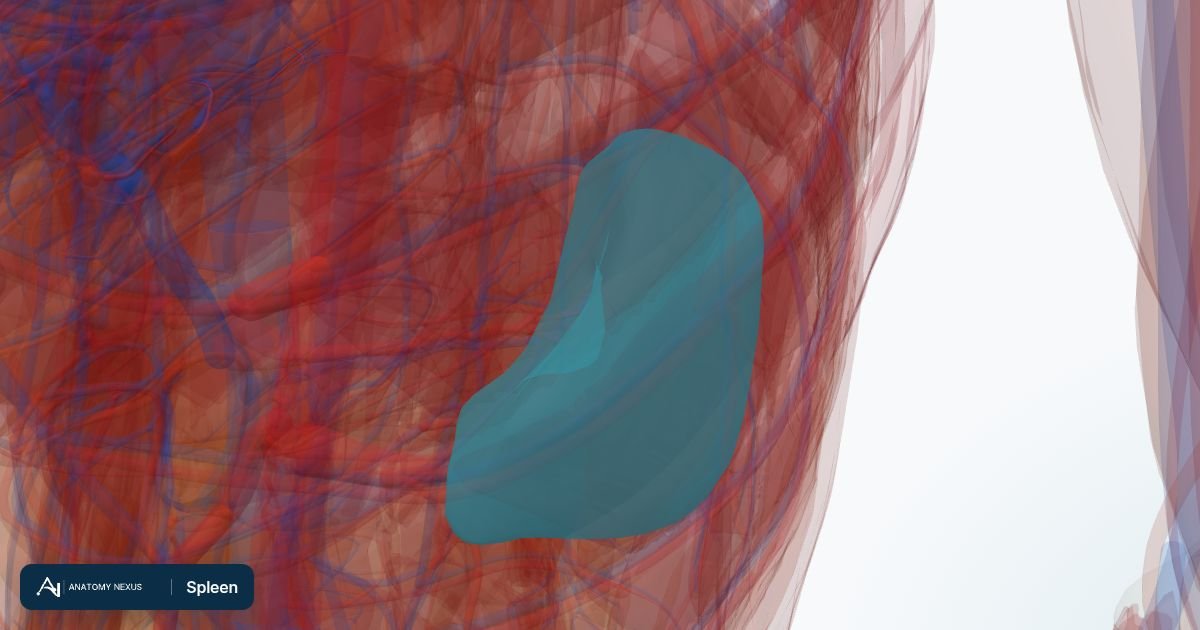
Overview
A painless lump or swelling in the neck, armpit or groin is the most common symptom of non-Hodgkin lymphoma, according to the NHS. Fever, night sweats, itching and unexplained weight loss are also listed. The NHS says the cause of non-Hodgkin lymphoma is not known, and a weakened immune system is among the things that can raise the risk. A biopsy of an affected lymph node is the main diagnostic test, and treatment depends on the type, how fast it grows, where it is and whether it has spread.
Causes
- The NHS says the cause of non-Hodgkin lymphoma is not known.
- NHS 111 Wales says the exact cause of Hodgkin lymphoma is unknown.
Risk factors
- A weakened immune system
- Being over 50
- Certain infections, such as Epstein-Barr virus or hepatitis C
- Autoimmune conditions, and the immunosuppressive drugs used to treat them, which may add a slight risk
- A close relative who has had non-Hodgkin lymphoma
- Past exposure to Epstein-Barr virus (Hodgkin lymphoma)
Symptoms
What a clinician may find
- Painless swelling of lymph nodes in the neck, armpit or groin
Complications
- Possible long-term problems after treatment for Hodgkin lymphoma, including infertility and a higher risk of another cancer later
Diagnosis
A GP asks about symptoms, may feel for lumps in the neck, armpit and groin, and refers the person to a hospital specialist for tests if non-Hodgkin lymphoma is suspected. The main test is a biopsy, in which a sample of an affected lymph node is taken and checked for signs of cancer. NHS 111 Wales says a biopsy is the only way to confirm a diagnosis of Hodgkin lymphoma, and that further tests then check how far it has spread. For follicular lymphoma, Lymphoma Action says diagnosis is by biopsy, followed by staging, which typically uses a CT or PET scan.
Treatment
The NHS says treatment for non-Hodgkin lymphoma depends on how fast the lymphoma grows, where it is in the body, its type and whether it has spread. Common treatments include chemotherapy, radiotherapy and medicines that target cancer cells, including monoclonal antibodies such as rituximab. Slow-growing types may sometimes be monitored without immediate treatment, while fast-growing types need treatment straight away. For Hodgkin lymphoma, the Royal Marsden says chemotherapy and radiotherapy are the main treatments.
Prevention
Macmillan says most people who have had infections linked to non-Hodgkin lymphoma, such as Epstein-Barr virus or Helicobacter pylori, will not develop it. For most people with non-Hodgkin lymphoma, a cause is never found.
Key facts
| Fact | Detail |
|---|---|
| Main groups | Hodgkin lymphoma and non-Hodgkin lymphoma (NHL). |
| Most common sign | A painless lump or swelling in the neck, armpit or groin. |
| Other symptoms | Fever, night sweats, itching, unexplained weight loss and fatigue can occur. |
| Confirmed by | A biopsy. |
| Main treatments | Chemotherapy, radiotherapy and targeted medicines, depending on the type. |
| Who to contact | A GP, who can arrange referral to a hospital specialist for tests. |
What are the symptoms of lymphoma?
The NHS describes a painless lump or swelling, usually in the neck, armpit or the top of the inner thigh (the groin), as the most common symptom of non-Hodgkin lymphoma. Fever, night sweats, itching and unexplained weight loss are also listed. MedlinePlus lists swollen lymph nodes, fever, drenching night sweats, weight loss and fatigue as the usual signs of non-Hodgkin lymphoma.
For Hodgkin lymphoma, MedlinePlus says the first sign is often a painless swollen lymph node with no known cause. It also lists pain or a feeling of fullness below the ribs, caused by a swollen spleen or liver, among the symptoms. Lymphoma Action describes a lump or lumps in the neck, armpit or groin as the most common sign of lymphoma, and says many things that are not lymphoma can cause lumps.
What types of lymphoma are there, and what causes them?
Lymphoma is grouped into Hodgkin lymphoma and non-Hodgkin lymphoma. The NHS says there are two types of Hodgkin lymphoma: classical Hodgkin lymphoma and nodular lymphocyte predominant Hodgkin lymphoma. Non-Hodgkin lymphoma has many subtypes, and Lymphoma Action describes follicular lymphoma and MALT lymphoma among them. The NHS describes them as fast growing (high grade) or slow growing (low grade), and the type affects the treatment plan.
The NHS says the cause of non-Hodgkin lymphoma is not known, but some things can raise the risk, including a weakened immune system. Risk is higher in people over 50, and certain infections such as Epstein-Barr virus or hepatitis C, and autoimmune conditions, are also listed. Macmillan adds that a close relative with the condition is a listed factor and that most people who have had these infections will not develop lymphoma. For Hodgkin lymphoma, NHS 111 Wales says the exact cause is unknown, and it lists past exposure to Epstein-Barr virus as a risk factor.
How is lymphoma diagnosed?
A GP asks about symptoms and may feel for lumps in the neck, armpit and groin. If the GP thinks non-Hodgkin lymphoma is possible, the NHS says they refer the person to a specialist at a hospital for tests. The main test is a biopsy, in which a sample of an affected lymph node is taken and checked for signs of cancer. NHS 111 Wales says a biopsy is the only way to confirm Hodgkin lymphoma, and that further tests then check how far it has spread.
For follicular lymphoma, Lymphoma Action says diagnosis is by biopsy, followed by staging, which typically uses a CT or PET scan. For MALT lymphoma, Cancer Research UK says staging usually involves a CT scan, and other staging tests can include a PET-CT scan and a bone marrow test. For MALT lymphoma that starts in the stomach, a test for Helicobacter pylori bacteria is also part of the work-up. Because treatment depends on how fast the lymphoma grows, where it is, its type and whether it has spread, the tests that establish these matter for the plan.
How is lymphoma treated?
The NHS says treatment for non-Hodgkin lymphoma depends on how fast the lymphoma grows, where it is, its type and whether it has spread. Fast-growing types need treatment straight away, while slow-growing types may sometimes be managed by monitoring. Common treatments include chemotherapy, radiotherapy and medicines that target cancer cells, including monoclonal antibodies such as rituximab. Lymphoma Action says active monitoring, also called watch and wait, may be offered for a low-grade (slow-growing) lymphoma that is not causing problems that affect daily life. For MALT lymphoma, Lymphoma Action lists treating a linked infection, active monitoring, radiotherapy and immunochemotherapy as the main options.
For Hodgkin lymphoma, the Royal Marsden says early-stage disease may be treated with radiotherapy alone or with chemotherapy, while chemotherapy is the main treatment for more widespread disease. The NHS says targeted medicines or immunotherapy are used if Hodgkin lymphoma comes back or does not respond to treatment. NHS 111 Wales says brentuximab vedotin is available on the NHS for CD30-positive Hodgkin lymphoma in people who have already had a stem cell transplant using their own cells or cannot have chemotherapy. For slow-growing nodular lymphocyte predominant Hodgkin lymphoma, the NHS says regular tests monitor the lymphoma and treatment is offered when tests show it is needed.
What is the outlook, and when should someone get help?
NHS 111 Wales describes treatment for Hodgkin lymphoma as highly effective and the condition as one of the most easily treated types of cancer. The same page mentions possible long-term problems after treatment, including infertility and a higher risk of another cancer later. For non-Hodgkin lymphoma, Macmillan says high-grade lymphomas tend to respond well to treatment, while the aim for advanced low-grade disease is usually to keep it under control for as long as possible.
Lymphoma Action advises seeing a GP about a lump in the neck, armpit or groin that lasts or keeps growing, and notes that many other conditions cause lumps. The NHS also lists fever, night sweats and unexplained weight loss among the symptoms of non-Hodgkin lymphoma, and a GP can arrange referral for tests.
Frequently asked questions
What is the difference between Hodgkin and non-Hodgkin lymphoma?
They are the two main groups of lymphoma, and the NHS has a separate page for each. Hodgkin lymphoma has two types, classical and nodular lymphocyte predominant. Non-Hodgkin lymphoma has many subtypes, and its treatment depends on how fast it grows, where it is, its type and whether it has spread. Hodgkin lymphoma is mainly treated with chemotherapy and radiotherapy.
Is a lump in the neck always lymphoma?
No. A painless lump in the neck, armpit or groin is the most common sign of lymphoma, but many other conditions cause lumps. A GP can ask about symptoms and may feel for lumps. If lymphoma is suspected, the GP refers the person to a hospital specialist for tests.
Who is more likely to get non-Hodgkin lymphoma?
The NHS says the cause is not known, but risk is higher in people over 50 and in those with a weakened immune system. Certain infections, such as Epstein-Barr virus or hepatitis C, and autoimmune conditions are also listed. Macmillan adds that most people who have had these infections will not develop lymphoma.
Does everyone with lymphoma need treatment straight away?
Not always. The NHS says fast-growing types need treatment straight away, while slow-growing types may sometimes be managed by monitoring. Lymphoma Action describes active monitoring, also called watch and wait, for low-grade lymphoma that is not causing problems that affect daily life, with regular appointments until treatment is needed. For follicular lymphoma without troublesome symptoms, a period of active monitoring is described before any treatment.
What is the outlook for Hodgkin lymphoma?
NHS 111 Wales describes treatment for Hodgkin lymphoma as highly effective and the condition as one of the most easily treated types of cancer. It also mentions possible long-term problems after treatment, including infertility and a higher risk of another cancer later. A clinician can explain what the outlook means for a particular type and stage.
Connected pages in detail
What each linked page on Anatomy Nexus covers, in a line, for Lymphoma (Hodgkin and non-Hodgkin).
Symptoms
- Swelling (oedema) Excess fluid in the tissues.
- Fever A body temperature of 38 °C (100.4 °F) or more, produced when the hypothalamus raises its set point in response to inflammatory signals.
- Fatigue Persistent tiredness that rest does not fix.
Medical tests
- Biopsy Removal of a small piece of tissue or a few cells so a pathologist can examine them under the microscope.
Imaging
- CT scan A rotating X-ray tube and computer build cross-sectional slices of the body in seconds, showing bone, organs.
- PET-CT scan Positron emission tomography tracks a mildly radioactive sugar or tracer to show where cells are most active.
Guides and news
- Bone marrow biopsy: what happens and why A bone marrow biopsy takes a small sample of marrow, usually from the back of the hip bone.