



Drug class · Nervous system
Gabapentinoids
Also known as: gabapentin and pregabalin
Gabapentinoids are the group that contains pregabalin and gabapentin, which are used for epilepsy and nerve pain.
- Also called
- gabapentin and pregabalin
Mechanism of action
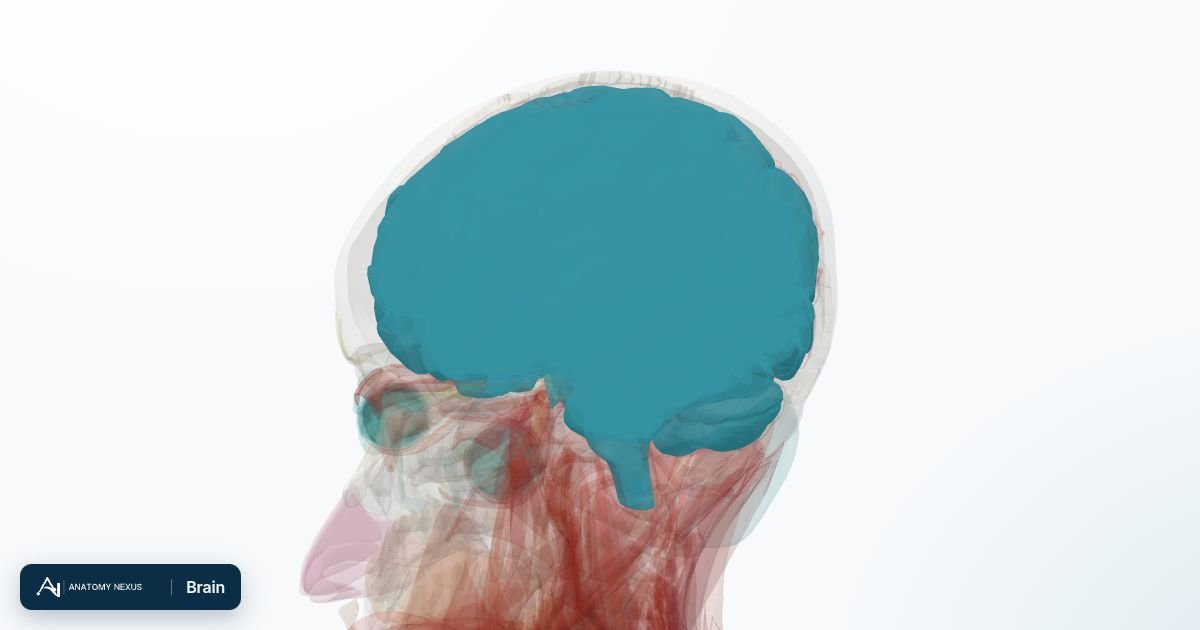
For epilepsy, these medicines are thought to reduce abnormal electrical activity in the brain. For nerve pain, they are thought to block pain by affecting pain messages travelling through the brain and down the spine.
Members of the class
Members with a page on this site are linked.
Cautions
- The NHS lists drowsiness and dizziness among the common side effects of both medicines.
- The NHS says some people can become addicted to either medicine.
- The NHS says that when stopping either medicine the dose is reduced gradually to avoid withdrawal symptoms.
Class warnings
- Pregabalin and gabapentin became Class C controlled drugs, and Schedule 3 under the Misuse of Drugs Regulations 2001, on 1 April 2019. UK
- The MHRA reports severe breathing difficulty with pregabalin, and a separate update covers gabapentin. UK
Class interactions
| With | Effect | Source |
|---|---|---|
| Opioids, alcohol and other medicines that cause sleepiness | The MHRA says gabapentin and pregabalin can cause potentially fatal respiratory depression, particularly when used with opioid medicines and alcohol. | UK |
Open the Drug Interaction Checker
Connected pages in detail
What each linked page on Anatomy Nexus covers, in a line, for Gabapentinoids.
Medications
- Pregabalin Pregabalin is a prescription medicine used for nerve pain, epilepsy and generalised anxiety disorder.
- Gabapentin A prescription medicine used to treat epilepsy and nerve pain.
Educational content. A drug class page describes what a family of medicines has in common. Individual medicines differ in dose, licensing and interactions; treatment choices belong to a prescriber.