



Gabapentin
A prescription medicine used to treat epilepsy and nerve pain. It is a controlled drug in Great Britain, and the NHS says the dose is reduced gradually when it is stopped to avoid withdrawal symptoms. The NHS says to call 999 or go to A&E for thoughts of harming yourself or ending your life.
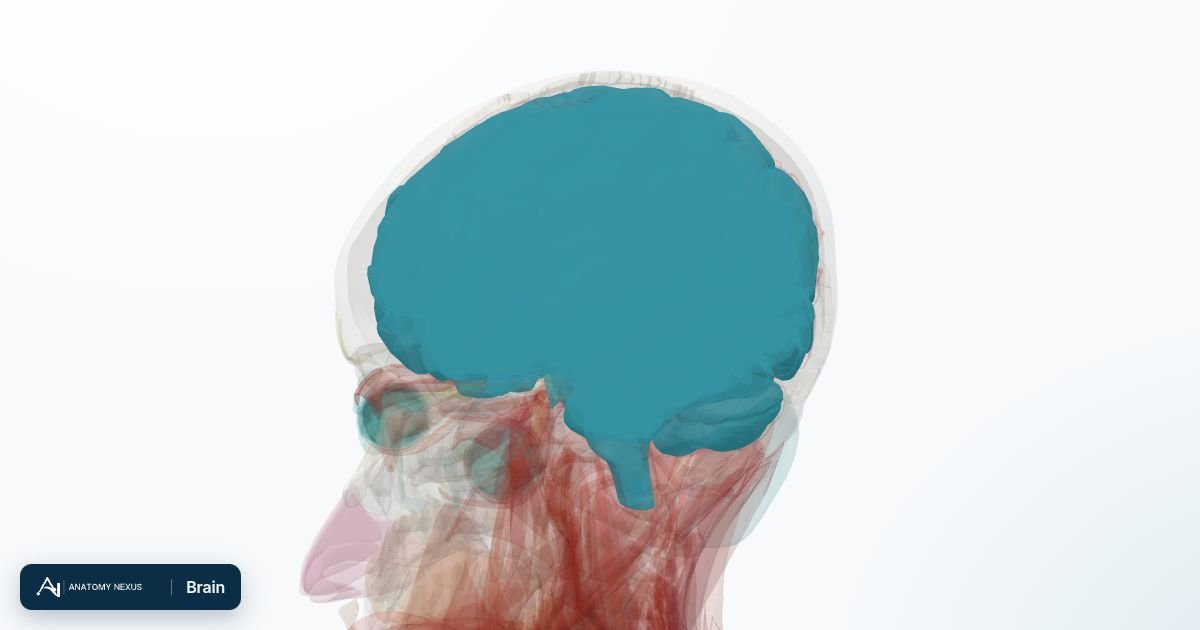
- Generic name
- Gabapentin
- Active ingredient
- Gabapentin
- Product type
- Small-molecule medicine
- Drug class
- Gabapentinoids
- Brand names
- US Neurontin, Gralise
- Routes
- Oral
- Dosage forms
- Capsule, Tablet, Solution
- Usual preparations
- Capsules, tablets and a liquid that is swallowed. (summary of the cited reference, not a prescription)
- Onset and duration
- The NHS says it takes a few weeks for gabapentin to work fully.
- Monitoring
- GOV.UK says gabapentin was reclassified as a controlled drug because of growing concern about abuse.
Availability by country
| Country | Status | Note | Source |
|---|---|---|---|
| UK | Prescription only | UK | |
| UK | Controlled substance | Class C and Schedule 3 controlled drug in Great Britain from 1 April 2019 | UK |
Legal status differs between countries and can change; each row cites the document it was taken from and applies only to the country named.
What it is used for
- Epilepsy
- Nerve pain, which can be caused by conditions such as diabetes and shingles or by an injury
- The pain that can follow shingles (postherpetic neuralgia), according to MedlinePlus
How it works in the body
In epilepsy, the NHS says gabapentin is thought to calm abnormal electrical activity in the brain. For nerve pain, it is thought to act on pain signals in the brain and spine. MedlinePlus says it may help to control a condition but does not cure it.
Common side effects
- Feeling sleepy, tired or dizzy is common, and the NHS says it is usually mild and goes away by itself.
- Feeling sick, swelling, blurred vision, dry mouth and weight gain are also listed by the NHS as common side effects.
Serious: seek help
- Thoughts of harming yourself or ending your life have happened in a few people, sometimes after only a week; the NHS says to call 999 or go to A&E straight away.
- For urgent mental health advice, NHS 111 (mental health option) can be called, and Samaritans are free to call on 116 123 at any time.
- A serious allergic reaction is rare; MedlinePlus lists difficulty breathing and swelling of the mouth, face, lips or tongue as signs, which need emergency help by calling 999.
- The NHS says to go to A&E or call 999 straight away if someone has taken more than the prescribed amount and feels dizzy or sleepy, has double vision, has slurred speech or faints.
- Some people can become addicted to gabapentin, and the NHS says that when it is stopped the dose is reduced gradually to avoid withdrawal symptoms.
Cautions and interactions
- The NHS says people who have had an allergic reaction to gabapentin or another medicine, who have misused or been addicted to a medicine, or who are pregnant or trying for a baby should check with a doctor first.
- The NHS also lists people with kidney problems or lung conditions such as COPD or severe asthma as needing to check with a doctor.
- Gabapentin liquid contains sodium and potassium, so the NHS says people on a controlled sodium or potassium diet should check first.
- The NHS says gabapentin is not generally recommended in pregnancy because there is not enough information about its effects on the baby.
- Antacids can reduce how much gabapentin the body takes in, and the NHS says to take them at least 2 hours apart.
- Strong painkillers such as morphine can make a person very tired and dizzy when starting gabapentin, according to the NHS.
- Alcohol may make a person feel sleepy or tired, and the NHS says it may be best to avoid it in the first few days.
- The NHS advises against driving, cycling or using machinery until a person feels better if they are sleepy or dizzy.
Interactions
Check interactions
Taking Gabapentin with other medicines? Add them to the checker to see what the official sources say about each pair: the mechanism, general management and monitoring, never a bare "safe".
Interactions documented in the official sources cited on each card. The list covers the medicines represented on this site and is not exhaustive; how the interaction data is compiled.
No pair records for this medicine are in the sources currently represented by Anatomy Nexus. Absence from this list does not mean no interaction exists.
Same-class and related medicines
Same class: Gabapentinoids
Medicines that share the class of Gabapentin. They are separate medicines with their own licences, doses and interactions, not alternative names for Gabapentin.
Related medicines
Medicines often discussed alongside Gabapentin: used together, compared with it, or acting on the same problem by a different route.
Key facts
| Fact | Detail |
|---|---|
| Type | Prescription medicine |
| Used for | Epilepsy and nerve pain |
| Forms | Capsules, tablets and a liquid that is swallowed |
| Time to work | A few weeks to work fully |
| Legal status | Controlled drug in Great Britain (Class C, Schedule 3) since 1 April 2019 |
| Brand name | Neurontin (US brand, listed by MedlinePlus) |
What is gabapentin used for?
Gabapentin is a prescription medicine that is used to treat epilepsy and nerve pain. The NHS says nerve pain can be caused by conditions such as diabetes and shingles, or by an injury. MedlinePlus, a United States health information site, says gabapentin is used together with other medicines to help control certain types of seizures in people with epilepsy. It also says gabapentin is used for the pain that can follow shingles, called postherpetic neuralgia. MedlinePlus adds that the medicine may help to control a condition but does not cure it.
Gabapentin comes as capsules, tablets and a liquid that is swallowed. It is available on prescription. The NHS says it is generally suitable for adults and for children aged 6 and over, and that a specialist sometimes prescribes it for younger children. The NHS also says people who take medicines for epilepsy are entitled to free prescriptions for all the medicines they take, not just the epilepsy ones.
How does gabapentin work, and what happens if it is stopped?
In epilepsy, the NHS says gabapentin is thought to calm abnormal electrical activity in the brain. For nerve pain, it is thought to act on pain signals in the brain and spine. The NHS says it takes a few weeks for gabapentin to work fully, and that seizures or pain may still happen during this time.
When gabapentin is stopped, the NHS says the dose is reduced gradually to avoid withdrawal symptoms. It lists agitation or anxiety, panic attacks, palpitations (feeling the heartbeat) and difficulty sleeping among the withdrawal symptoms. MedlinePlus says that in people taking gabapentin for seizures, suddenly stopping the medicine may lead to seizures happening more often. The NHS says gabapentin can be taken with or without food.
What are the side effects of gabapentin?
The NHS says most people who take gabapentin do not get any side effects. Some people feel sleepy, tired and dizzy. Other common side effects listed by the NHS are feeling sick, swelling, blurred vision, dry mouth and weight gain. These common side effects are usually mild and go away by themselves. The NHS advises against driving, cycling or using machinery until a person feels better if they are sleepy or dizzy.
A few people taking gabapentin have had thoughts of harming themselves or ending their life, sometimes after only a week. The NHS says to call 999 or go to A&E straight away if this happens. For urgent mental health advice, NHS 111 (mental health option) can be called, and Samaritans are free to call on 116 123 at any time. A serious allergic reaction is rare. MedlinePlus lists difficulty breathing and swelling of the mouth, face, lips or tongue as signs, and these need emergency help by calling 999. The NHS also says to go to A&E or call 999 straight away if someone has taken more than the prescribed amount and feels dizzy or sleepy, has double vision, has slurred speech or faints.
Is gabapentin a controlled drug, and what about misuse and dependence?
Since 1 April 2019, gabapentin has been a controlled drug in Great Britain. GOV.UK says it was placed in Class C of the Misuse of Drugs Act 1971 and in Schedule 3 of the Misuse of Drugs Regulations 2001. GOV.UK says the change reflected growing concern about abuse. The NHS says there are strict rules on how gabapentin is prescribed and supplied, to make sure it is not given to the wrong person or misused.
The NHS says some people can become addicted to gabapentin. It lists people who have misused or been addicted to a medicine among those who should check with a doctor before taking it. The NHS says gabapentin can strengthen the effects of recreational drugs such as heroin and other opioids. It also says that taking gabapentin with recreational drugs raises the chance of unpleasant effects such as panic attacks, anxiety and memory loss. In an emergency, such as taking more than the prescribed amount, the NHS says to go to A&E or call 999.
Who needs extra care, and what about other medicines?
The NHS says people who have had an allergic reaction to gabapentin or another medicine should check with a doctor first. It also lists people with kidney problems or with lung conditions such as COPD or severe asthma. Gabapentin liquid contains sodium and potassium, so the NHS says people on a controlled sodium or potassium diet should check first. The NHS says gabapentin is not generally recommended in pregnancy because there is not enough information about its effects on the baby. It says a person can take gabapentin while breastfeeding if the baby is healthy, after talking to a doctor or pharmacist.
Antacids can reduce how much gabapentin the body takes in, and the NHS says to take them at least 2 hours apart. Strong painkillers such as morphine can make a person very tired and dizzy when starting gabapentin, according to the NHS. The NHS says there is not enough information to say that herbal remedies are safe to take with gabapentin. It adds that remedies which cause drowsiness could add to the side effects. The NHS says a person can drink alcohol while taking gabapentin, but it may make them feel sleepy or tired. It suggests it may be best to avoid alcohol in the first few days.
Frequently asked questions
Can gabapentin be taken in pregnancy or while breastfeeding?
The NHS says gabapentin is not generally recommended in pregnancy because there is not enough information about its effects on the baby. A person who is pregnant or trying for a baby is advised to check with a doctor first. The NHS says gabapentin can be taken while breastfeeding if the baby is healthy, after talking to a doctor or pharmacist.
Can you drink alcohol with gabapentin?
The NHS says a person can drink alcohol while taking gabapentin, but it may make them feel sleepy or tired. It suggests it may be best to avoid alcohol in the first few days of treatment. The NHS also advises against driving, cycling or using machinery until a person feels better if they are sleepy or dizzy.
Can gabapentin be stopped suddenly?
The NHS says that when gabapentin is stopped, the dose is reduced gradually to avoid withdrawal symptoms. MedlinePlus says that in people taking gabapentin for seizures, suddenly stopping the medicine may lead to seizures happening more often.
Is gabapentin addictive?
The NHS says some people can become addicted to gabapentin. GOV.UK says that since April 2019 it has been a controlled drug in Great Britain, in Class C and Schedule 3, because of growing concern about abuse. The NHS says there are strict rules on how it is prescribed and supplied.
How long does gabapentin take to work?
The NHS says it takes a few weeks for gabapentin to work fully. Most people who take it do not get side effects, and the NHS says the common ones are usually mild and go away by themselves.
Connected pages in detail
What each linked page on Anatomy Nexus covers, in a line, for Gabapentin.
Conditions
- Epilepsy A tendency to recurrent, unprovoked seizures: bursts of abnormal synchronised electrical activity in the brain.
Symptoms
- Dizziness An umbrella word for several sensations: vertigo (the room spins, an inner-ear or brain problem), light-headedness (about to faint.
- Nausea The unpleasant sensation of being about to vomit.
Medications
- Pregabalin Pregabalin is a prescription medicine used for nerve pain, epilepsy and generalised anxiety disorder.
- Amitriptyline Amitriptyline is a prescription-only medicine from a group called tricyclic antidepressants, used for nerve pain and to help prevent migraine.
- Duloxetine Duloxetine is an antidepressant medicine that is also used for anxiety and nerve pain.
Drug classes
- Gabapentinoids Gabapentinoids are the group that contains pregabalin and gabapentin, which are used for epilepsy and nerve pain.