



Duloxetine
Also known as: duloxetine hydrochloride, Cymbalta, Yentreve, SNRI antidepressant
Duloxetine is an antidepressant medicine that is also used for anxiety and nerve pain. It is taken as capsules and is only available with a prescription. The NHS lists very low mood with suicidal thoughts among its serious side effects; the routes to help are 999 if in immediate danger, NHS 111 (mental health option) and Samaritans on 116 123.
- Generic name
- Duloxetine
- Active ingredient
- Duloxetine (variants: duloxetine hydrochloride)
- Product type
- Small-molecule medicine
- Drug class
- SNRIs
- Brand names
- UK Cymbalta, Yentreve
- Routes
- Oral
- Dosage forms
- Capsule
- Also known as
- duloxetine hydrochloride, Cymbalta, Yentreve, SNRI antidepressant
- Usual preparations
- Duloxetine comes as capsules that the NHS says are swallowed whole, and the prescriber decides the dose, which depends on the condition being treated. (summary of the cited reference, not a prescription)
- Onset and duration
- The NHS says duloxetine usually takes 2 to 4 weeks to work, and it may take longer when used for nerve pain. Some people feel worse during the first few weeks of treatment before they begin to feel better.
- Monitoring
- MedlinePlus advises having blood pressure checked before starting treatment and regularly while taking duloxetine. It also suggests talking to the doctor about an eye examination before starting. The NHS says that a person who is not feeling any better after 6 weeks can talk to the doctor.
Availability by country
| Country | Status | Note | Source |
|---|---|---|---|
| UK | Prescription only | UK |
Legal status differs between countries and can change; each row cites the document it was taken from and applies only to the country named.
What it is used for
- Depression and anxiety
- Nerve pain, such as fibromyalgia
- Stress urinary incontinence in women
- Neuropathic pain in adults, where NICE says duloxetine is one of four medicines to offer first (not for trigeminal neuralgia)
How it works in the body
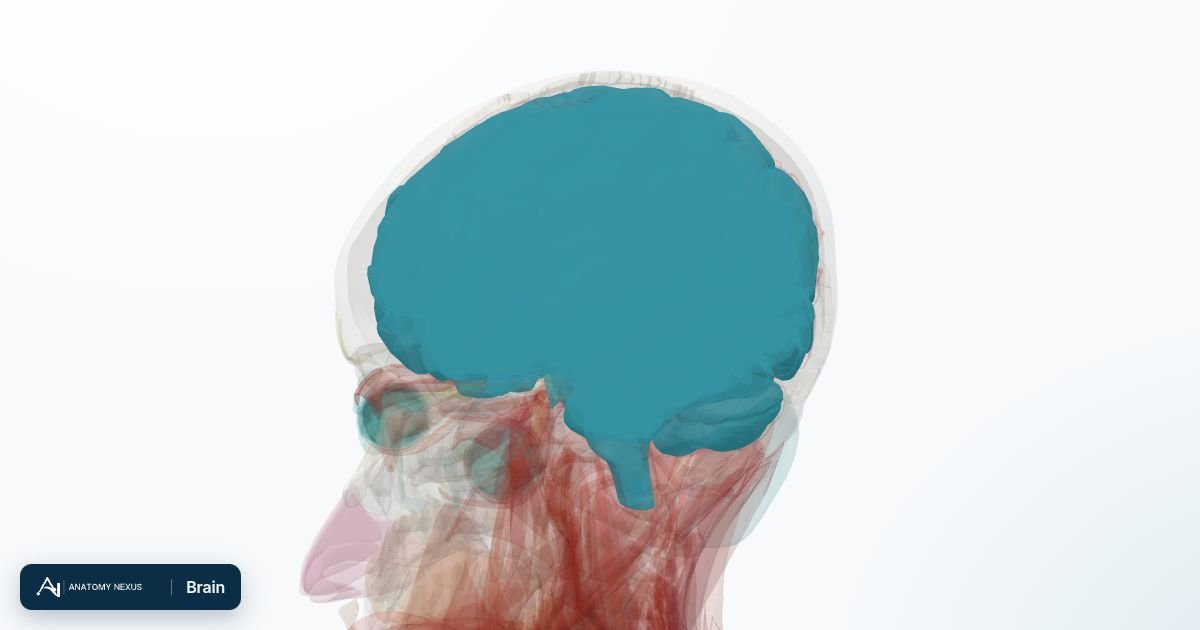
Duloxetine is a serotonin and noradrenaline reuptake inhibitor, or SNRI. SNRIs are thought to work by increasing the amount of the mood-enhancing chemicals serotonin and noradrenaline in the brain.
Common side effects
- Headaches, feeling or being sick, dizziness or drowsiness, dry mouth, diarrhoea or constipation, trouble sleeping, sexual problems and weight loss are listed by the NHS as common.
- The NHS says not to drive, cycle or use tools or machinery while feeling dizzy.
Serious: seek help
- Very low mood with suicidal thoughts is on the NHS list of serious side effects. For thoughts of ending life the NHS says call 999 or go to A&E now; NHS 111 (mental health option) and Samaritans on 116 123 (free, any time) are other routes.
- A severe allergic reaction (anaphylaxis) is a rare serious effect, and the NHS says to call 999 immediately.
- Unexplained muscle pain or weakness is listed by the NHS as a serious side effect, and the NHS says to call NHS 111 if serious side effects are suspected.
- Serotonin syndrome causes a fast heartbeat, sweating, shaking, twitching muscles and feeling confused or agitated, and is on the NHS list of serious side effects.
- Constant headaches, long-lasting confusion or weakness, or frequent muscle cramps can be signs of low sodium in the blood, and NHS 111 is the NHS route for suspected serious side effects.
- Yellowing of the whites of the eyes or the skin can be a sign of a liver problem, although this may be less obvious on brown or black skin; the NHS advises contacting the GP urgently or calling NHS 111.
- Black or red stools, or blood in vomit, can be signs of bleeding from the gut, and the NHS says to call NHS 111 if serious side effects are suspected.
Cautions and interactions
- The NHS lists an allergic reaction to duloxetine or another medicine, kidney or liver problems, a heart problem, glaucoma, a history of seizures, manic episodes or bipolar disorder, and bruising easily as reasons for the prescriber to take care.
- The NHS says not to take the herbal remedy St John's wort during treatment with duloxetine because it raises the risk of side effects.
- Warfarin and other blood-thinning medicines, and some older antidepressants called MAOIs, are among the medicines the NHS lists as needing care with duloxetine.
- Tramadol can increase the chance of certain side effects when taken with duloxetine, the NHS says.
- The NHS says alcohol can be drunk but may make a person feel sleepy or tired, and it may be best to avoid it for the first few days until the effect is known.
- MedlinePlus says alcohol can increase the risk of serious side effects.
- The NHS says duloxetine is not generally recommended in pregnancy because there is little information on whether it may affect the developing baby, but if it was working well before pregnancy it may be reasonable to keep taking it.
- Taking duloxetine in the last month of pregnancy may slightly increase the risk of bleeding after delivery, the NHS says.
- The NHS says that if the doctor or health visitor says the baby is healthy, duloxetine can be taken while breastfeeding.
Interactions
Check interactions
Taking Duloxetine with other medicines? Add them to the checker to see what the official sources say about each pair: the mechanism, general management and monitoring, never a bare "safe".
Interactions documented in the official sources cited on each card. The list covers the medicines represented on this site and is not exhaustive; how the interaction data is compiled.
No pair records for this medicine are in the sources currently represented by Anatomy Nexus. Absence from this list does not mean no interaction exists.
Same-class and related medicines
Same class: SNRIs
Medicines that share the class of Duloxetine. They are separate medicines with their own licences, doses and interactions, not alternative names for Duloxetine.
Related medicines
Medicines often discussed alongside Duloxetine: used together, compared with it, or acting on the same problem by a different route.
Key facts
| Fact | Detail |
|---|---|
| Type | SNRI antidepressant |
| Used for | Depression, anxiety, nerve pain and, in women, stress urinary incontinence |
| Form | Capsules, swallowed whole |
| Availability | Prescription only |
| Usual time to work | Usually 2 to 4 weeks, and longer for nerve pain, says the NHS |
| Stopping | The dose is usually lowered gradually over several weeks, not stopped suddenly |
| In a crisis | 999 if in immediate danger, NHS 111 (mental health option), Samaritans 116 123 free at any time |
What is duloxetine used for?
Duloxetine is an antidepressant medicine that is also used for anxiety and nerve pain. It is only available with a prescription. The NHS describes duloxetine as an SNRI antidepressant. It is prescribed for depression and anxiety. It is also used to treat nerve pain, such as fibromyalgia. The NHS says it can be used to treat stress urinary incontinence in women. Most adults aged 18 years and over can take duloxetine, according to the NHS.
NICE guidance on neuropathic pain in adults says amitriptyline, duloxetine, gabapentin or pregabalin should be offered as the initial treatment, except for trigeminal neuralgia, which is handled separately. Neuropathic pain is the medical name for nerve pain.
How does duloxetine work and how is it taken?
SNRIs are thought to work by increasing the amount of the mood-enhancing chemicals serotonin and noradrenaline in the brain. The NHS says duloxetine usually takes 2 to 4 weeks to work, and it may take longer if it is taken for nerve pain. Some people feel worse during the first few weeks of treatment before they begin to feel better. The NHS says that a person who is not feeling any better after 6 weeks can talk to the doctor.
Duloxetine comes as capsules, and the NHS says they are swallowed whole and not chewed. The NHS says the capsules can be taken with or without food. The dose depends on the condition being treated, and the prescriber decides it. Once someone is feeling better, the NHS says it is likely that they will keep taking duloxetine for several more months. If someone has been feeling better for 6 months or more, the NHS says the doctor may suggest coming off duloxetine.
What are the side effects?
The NHS lists headaches, feeling or being sick, dizziness or drowsiness, dry mouth, diarrhoea or constipation, trouble sleeping, sexual problems and weight loss as common side effects. It says not to drive, cycle or use tools or machinery while feeling dizzy. The NHS also says duloxetine can sometimes cause more serious side effects, although most of them are rare.
Its list includes a severe allergic reaction (anaphylaxis), unexplained muscle pain or weakness, serotonin syndrome and very low mood with suicidal thoughts. Serotonin syndrome causes a fast heartbeat, sweating, shaking, twitching muscles and feeling confused or agitated. Constant headaches, long-lasting confusion or weakness, or frequent muscle cramps can be signs of low sodium in the blood. Yellowing of the whites of the eyes or the skin can be a sign of a liver problem, although this may be less obvious on brown or black skin. Black or red stools, or blood in vomit, can be signs of bleeding from the gut. The NHS says to call NHS 111 if someone taking duloxetine thinks they may be having serious side effects, and to call 999 for a severe allergic reaction.
Mood, suicidal thoughts and stopping duloxetine
The NHS says some people feel worse during the first few weeks of treatment before they begin to feel better. The NHS lists very low mood with suicidal thoughts among the serious side effects, and for thoughts of ending life it says to call 999 or go to A&E now. If someone is in immediate danger, calling 999 or going to A&E is advised; NHS 111 (mental health option) and Samaritans on 116 123, free at any time, are other routes.
The NHS says antidepressants are not addictive, but withdrawal symptoms can occur if they are stopped suddenly or a dose is missed. For duloxetine, the NHS says the doctor will probably recommend lowering the dose gradually over several weeks to help prevent withdrawal side effects. Withdrawal symptoms listed by the NHS include dizziness, feeling sick, numbness or tingling in the hands or feet, trouble sleeping, feeling agitated or anxious, headaches and shaking.
Taking duloxetine with other medicines, herbal products or alcohol
The NHS says not to take the herbal remedy St John's wort during treatment with duloxetine because it raises the risk of side effects. It says there is not enough information about other herbal remedies and supplements. Warfarin and other blood-thinning medicines, and some older antidepressants called MAOIs, are among the medicines the NHS lists as needing care with duloxetine. The NHS says tramadol can increase the chance of certain side effects. The NHS suggests telling the doctor or pharmacist about all medicines, herbal remedies, vitamins and supplements before starting.
The NHS says alcohol can be drunk but may make a person feel sleepy or tired. It may be best to avoid alcohol for the first few days, until it is clear how duloxetine affects the person. MedlinePlus says alcohol can increase the risk of serious side effects.
Who needs extra care?
The NHS lists an allergic reaction to duloxetine or another medicine, kidney or liver problems, a heart problem, glaucoma, a history of seizures, manic episodes or bipolar disorder, and bruising easily as reasons for the prescriber to take care. MedlinePlus advises having blood pressure checked before starting treatment and regularly while taking duloxetine. It also suggests talking to the doctor about an eye examination before starting.
The NHS says duloxetine is not generally recommended in pregnancy because there is little information on whether it may affect the developing baby. If it was working well before pregnancy, the NHS says it may be reasonable to keep taking it, and the doctor discusses the risks and benefits. Taking duloxetine in the last month of pregnancy may slightly increase the risk of bleeding after delivery. The NHS says that if the doctor or health visitor says the baby is healthy, duloxetine can be taken while breastfeeding.
Frequently asked questions
Is duloxetine addictive?
The NHS says antidepressants are not addictive, but withdrawal symptoms can occur if they are stopped suddenly or a dose is missed. For duloxetine, the doctor will probably recommend lowering the dose gradually over several weeks to help prevent withdrawal side effects. The NHS advises talking to the doctor before stopping an antidepressant.
How long does duloxetine take to work?
The NHS says duloxetine usually takes 2 to 4 weeks to work, and it may take longer if it is taken for nerve pain. Some people feel worse during the first few weeks of treatment before they begin to feel better. A person who is not feeling any better after 6 weeks can talk to the doctor, the NHS says.
Can duloxetine be taken in pregnancy or while breastfeeding?
The NHS says duloxetine is not generally recommended in pregnancy because there is little information on whether it may affect the developing baby. If it was working well before pregnancy, it may be reasonable to keep taking it, and the doctor discusses the risks and benefits. The NHS says that if the doctor or health visitor says the baby is healthy, it can be taken while breastfeeding.
Can alcohol be drunk while taking duloxetine?
The NHS says alcohol can be drunk but may make a person feel sleepy or tired. It may be best to avoid alcohol for the first few days, until it is clear how the medicine affects the person. MedlinePlus says alcohol can increase the risk of serious side effects.
What help is there if low mood or suicidal thoughts get worse?
Very low mood with suicidal thoughts is on the NHS list of serious side effects of duloxetine. For thoughts of ending life the NHS says to call 999 or go to A&E now. If someone is in immediate danger, calling 999 or going to A&E is advised; NHS 111 (mental health option) and Samaritans on 116 123, free at any time, are other routes.
Is duloxetine only used for depression?
No, the NHS says duloxetine is prescribed for depression and anxiety, and also used to treat nerve pain such as fibromyalgia. It can be used to treat stress urinary incontinence in women. NICE lists duloxetine as one of four medicines to be offered first for neuropathic pain in adults, apart from trigeminal neuralgia.
Connected pages in detail
What each linked page on Anatomy Nexus covers, in a line, for Duloxetine.
Symptoms
- Headache Pain felt anywhere in the head.
- Nausea The unpleasant sensation of being about to vomit.
- Dizziness An umbrella word for several sensations: vertigo (the room spins, an inner-ear or brain problem), light-headedness (about to faint.
Medical tests
- Blood pressure measurement The pressure of blood against the artery walls, recorded as two numbers: the systolic pressure when the heart contracts and the diastolic pressure…
Medications
- Venlafaxine Venlafaxine is an antidepressant called a serotonin and noradrenaline reuptake inhibitor (SNRI), used for depression.
- Amitriptyline Amitriptyline is a prescription-only medicine from a group called tricyclic antidepressants, used for nerve pain and to help prevent migraine.
- Pregabalin Pregabalin is a prescription medicine used for nerve pain, epilepsy and generalised anxiety disorder.
- Gabapentin A prescription medicine used to treat epilepsy and nerve pain.
- Sertraline and SSRIs A selective serotonin reuptake inhibitor (SSRI) antidepressant used for depression, anxiety disorders, panic and obsessive-compulsive disorder.
- Tramadol An opioid painkiller for moderate to severe pain that also boosts serotonin and noradrenaline signalling.
- Mirtazapine Mirtazapine is an antidepressant, prescribed mainly for depression and sometimes for obsessive compulsive disorder (OCD) and anxiety.
Drug classes
- SNRIs SNRIs are a group of antidepressants whose NHS examples are duloxetine and venlafaxine.