



Venlafaxine
Also known as: Venlafaxine XL, venlafaxine hydrochloride, Efexor XL
Venlafaxine is an antidepressant called a serotonin and noradrenaline reuptake inhibitor (SNRI), used for depression. It is available only on prescription, UK product information says it can raise blood pressure, and stopping it suddenly can cause withdrawal symptoms.
- Generic name
- Venlafaxine
- Active ingredient
- Venlafaxine (variants: venlafaxine hydrochloride)
- Product type
- Small-molecule medicine
- Drug class
- SNRIs
- Brand names
- UK Efexor XL, Vencarm XL, Viepax XL · US Effexor XR
- Routes
- Oral
- Dosage forms
- Tablet, Capsule, Extended-release (modified-release) tablet
- Also known as
- Venlafaxine XL, venlafaxine hydrochloride, Efexor XL
- Usual preparations
- Taken by mouth as tablets or capsules, including prolonged-release forms. (summary of the cited reference, not a prescription)
- Onset and duration
- The NHS and MedlinePlus say it may take several weeks or longer to feel the full benefit of venlafaxine.
- Monitoring
- UK product information says blood pressure should be reviewed periodically, after treatment starts and after dose increases, and the US label recommends regular blood pressure monitoring.
Availability by country
| Country | Status | Note | Source |
|---|---|---|---|
| UK | Prescription only | UK |
Legal status differs between countries and can change; each row cites the document it was taken from and applies only to the country named.
What it is used for
- Depression
How it works in the body
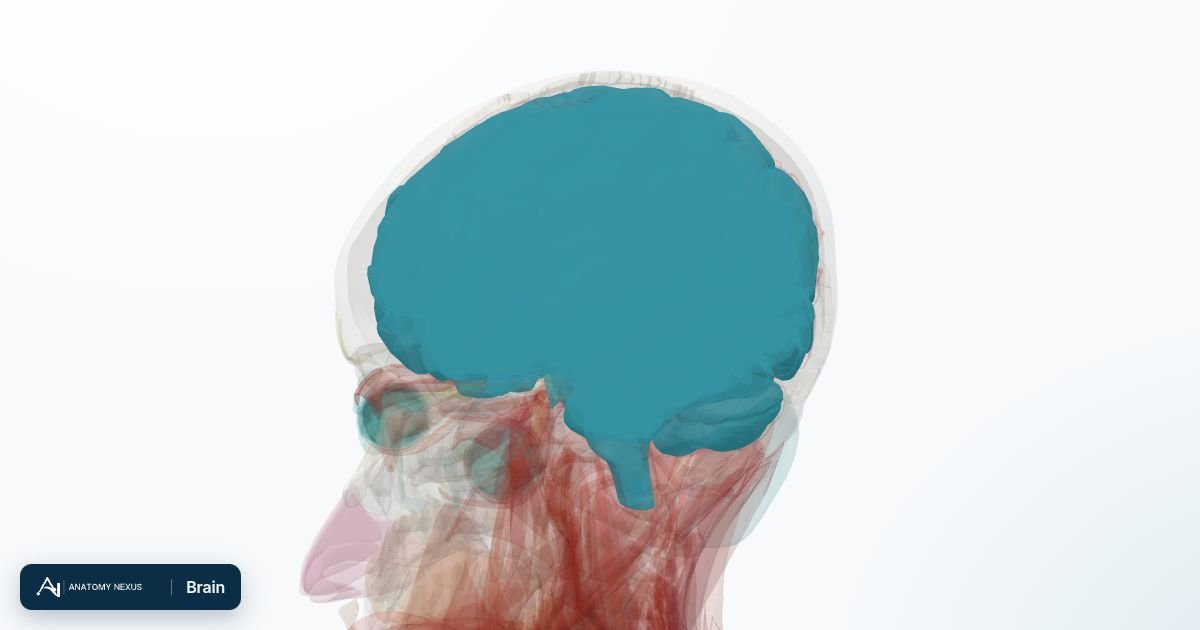
Venlafaxine is a serotonin and noradrenaline reuptake inhibitor (SNRI). SNRIs are thought to work by raising the levels of the chemical messengers serotonin and noradrenaline in the brain.
Common side effects
- Headaches, sweating and a dry mouth are among the common side effects.
- The NHS says most side effects should ease after a couple of weeks as the body gets used to the medicine.
- If dizziness or drowsiness occurs, the NHS advises against driving, riding a bike or using machinery until it has gone away.
Serious: seek help
- The NHS says that anyone taking venlafaxine who thinks they may be having serious side effects can call NHS 111.
- The NHS says to call 999 if the lips, mouth, throat or tongue suddenly swell or there is difficulty breathing, which can be signs of a serious allergic reaction (anaphylaxis).
- With antidepressants, the NHS says it is uncommon, but some people have suicidal thoughts or an urge to self-harm when they start treatment, and people aged 24 or under, or who have had these thoughts before, may be most at risk.
- The NHS says to contact a GP, or go to A&E, for thoughts of killing or harming oneself at any time during treatment, and to call 999 or go to A&E if in danger or unable to keep safe.
- For urgent mental health help that is not an emergency, the NHS points to NHS 111 (mental health option), and the Samaritans on 116 123 are free at any time.
- Stopping suddenly can cause withdrawal symptoms, and the NHS says a doctor will usually lower the dose gradually over several weeks or months.
- The NHS lists the signs of serotonin syndrome as a fast heartbeat, sweating, shaking, twitching muscles and feeling confused or agitated.
- The NHS says venlafaxine can make the heart beat faster or cause an irregular heartbeat, and UK product information describes dose-related rises in blood pressure as common.
Cautions and interactions
- The NHS says venlafaxine is not suitable for everyone, and lists diabetes, epilepsy, heart problems, glaucoma and a bleeding disorder among the conditions that need care.
- An earlier allergic reaction to venlafaxine is also on the NHS list of reasons it may not be suitable.
- UK patient leaflets ask people with a history of high blood pressure, heart problems or an abnormal heart rhythm to talk to their doctor before starting.
- UK product information says patients should be screened for high blood pressure and that existing high blood pressure should be controlled before treatment starts.
- The NHS says venlafaxine can increase the pressure in the eye and may raise the risk of a fit or seizure in people with epilepsy.
- UK patient leaflets say monoamine oxidase inhibitors (MAOIs), another type of antidepressant that is also used for Parkinson's disease, must not be taken with venlafaxine, and ask people who have taken one recently to tell their doctor.
- The NHS says some rarely used antidepressants can affect venlafaxine and cause very high blood pressure.
- The NHS advises against using the herbal supplement St John's wort with venlafaxine because it raises the risk of side effects.
- The NHS lists anti-inflammatory painkillers such as aspirin and ibuprofen, and anticoagulants such as warfarin and apixaban, among medicines that may not mix well with venlafaxine.
- Some UK patient leaflets name tramadol, triptans for migraine and dextromethorphan, found in some cough medicines, as examples of medicines that raise the risk of serotonin syndrome.
- The NHS says alcohol may make a person feel sleepy while taking venlafaxine and suggests avoiding it in the first few days, and its main venlafaxine page says it is best not to drink because alcohol can raise the risk of side effects.
- The NHS suggests it might be best to avoid driving and cycling for the first few days of treatment, until a person knows how the medicine makes them feel.
- The NHS says pregnancy and breastfeeding call for a discussion of the risks and benefits with the doctor.
Interactions
Check interactions
Taking Venlafaxine with other medicines? Add them to the checker to see what the official sources say about each pair: the mechanism, general management and monitoring, never a bare "safe".
Interactions documented in the official sources cited on each card. The list covers the medicines represented on this site and is not exhaustive; how the interaction data is compiled.
No pair records for this medicine are in the sources currently represented by Anatomy Nexus. Absence from this list does not mean no interaction exists.
Same-class and related medicines
Same class: SNRIs
Medicines that share the class of Venlafaxine. They are separate medicines with their own licences, doses and interactions, not alternative names for Venlafaxine.
Related medicines
Medicines often discussed alongside Venlafaxine: used together, compared with it, or acting on the same problem by a different route.
Key facts
| Fact | Detail |
|---|---|
| Type of medicine | Antidepressant (serotonin and noradrenaline reuptake inhibitor, SNRI) |
| Used for | Depression |
| UK availability | Prescription only |
| Time to full effect | Several weeks or longer, according to the NHS and MedlinePlus |
| Stopping | Stopping suddenly can cause withdrawal symptoms, so doctors usually lower the dose gradually |
| Blood pressure | Can raise blood pressure, according to UK product information |
| Urgent help | 999 if in immediate danger; NHS 111 (mental health option); Samaritans 116 123, free at any time |
What is venlafaxine used for?
Venlafaxine is an antidepressant medicine. It belongs to a group called serotonin and noradrenaline reuptake inhibitors, or SNRIs, and it is used to treat depression. It is available only on prescription. Serotonin and noradrenaline are chemical messengers in the brain, and SNRIs are thought to work by raising their levels. The NHS and MedlinePlus say it may take several weeks or longer to feel the full benefit. UK product information lists standard tablets as well as prolonged-release tablets and capsules, which release the medicine slowly. The NHS says venlafaxine is not suitable for everyone, and it lists diabetes, epilepsy, heart problems, glaucoma and a bleeding disorder among the conditions that call for extra care. An earlier allergic reaction to venlafaxine is another reason it may not be suitable.
How is venlafaxine taken and stopped?
The NHS says venlafaxine is usually taken with food. For a person who has trouble sleeping, the NHS says the morning is the best time to take it. MedlinePlus says a missed dose is taken once it is remembered, unless it is almost time for the next one, and that doses are not doubled up. The NHS adds that an alarm can help if doses are often forgotten. Stopping suddenly can cause withdrawal symptoms, although the NHS says venlafaxine is not addictive. The NHS says a person who wants to stop should speak to the doctor first. The doctor will usually lower the dose gradually over several weeks or months, and this can take longer after long-term use. Stopping too early can also let depression come back.
What side effects can venlafaxine cause?
Headaches, sweating and a dry mouth are among the common side effects. The NHS says most side effects should ease after a couple of weeks as the body gets used to the medicine. It says headaches usually go away after the first week, and that a dry mouth which does not go away after a week or two is worth raising with the doctor. If dizziness or drowsiness occurs, the NHS advises against driving, riding a bike or using machinery until it has gone away. The NHS says that anyone taking venlafaxine who thinks they may be having serious side effects can call NHS 111. It lists the signs of serotonin syndrome as a fast heartbeat, sweating, shaking, twitching muscles and feeling confused or agitated. The NHS says to call 999 if the lips, mouth, throat or tongue suddenly swell or there is difficulty breathing, which can be signs of a serious allergic reaction (anaphylaxis).
Low mood, self-harm and urgent help
The NHS says it is uncommon, but some people have suicidal thoughts or an urge to self-harm when they start an antidepressant. People aged 24 or under, or who have had these thoughts before, may be most at risk. The NHS says to contact a GP, or go to A&E, for thoughts of killing or harming oneself at any time during treatment. If a person is in danger or cannot keep themselves safe, the NHS says to call 999 or go to A&E. For urgent mental health help that is not an emergency, the NHS points to NHS 111 (mental health option). The Samaritans on 116 123 are free to call at any time. The NHS also suggests that telling a relative or close friend about starting an antidepressant can help them notice changes in behaviour.
Venlafaxine and blood pressure
Venlafaxine can raise blood pressure. UK product information says dose-related rises in blood pressure are common, and that severe rises needing immediate treatment have been reported since the medicine came on the market. It says patients should be screened for high blood pressure and that existing high blood pressure should be controlled before treatment starts. It also says blood pressure should be reviewed periodically, after treatment starts and after dose increases. The US label describes dose-related rises in blood pressure and recommends regular blood pressure monitoring. UK patient leaflets ask people with a history of high blood pressure, heart problems or an abnormal heart rhythm to talk to their doctor before starting. The NHS says venlafaxine can make the heart beat faster or cause an irregular heartbeat. It also says some rarely used antidepressants can affect venlafaxine and cause very high blood pressure.
Other medicines, alcohol and pregnancy
The NHS advises against using the herbal supplement St John's wort with venlafaxine because it raises the risk of side effects. UK patient leaflets say monoamine oxidase inhibitors (MAOIs), another type of antidepressant, must not be taken with venlafaxine, and they ask people who have taken one recently to tell their doctor. The NHS lists anti-inflammatory painkillers such as aspirin and ibuprofen, and anticoagulants such as warfarin and apixaban, among medicines that may not mix well with it. Some UK leaflets name tramadol, triptans for migraine and dextromethorphan, found in some cough medicines, as examples that raise the risk of serotonin syndrome. The NHS says alcohol may make a person feel sleepy, and its main venlafaxine page says it is best not to drink because alcohol can raise the risk of side effects. The NHS says pregnancy and breastfeeding call for a discussion of the risks and benefits with the doctor.
Frequently asked questions
Is venlafaxine addictive?
The NHS says venlafaxine is not addictive. However, withdrawal effects can happen if it is stopped suddenly. The NHS says a doctor will usually lower the dose gradually over several weeks or months. A person who wants to stop is advised to speak to the doctor first.
Does venlafaxine raise blood pressure?
UK product information says dose-related rises in blood pressure are common with venlafaxine. The US label recommends regular blood pressure monitoring. UK patient leaflets ask people with a history of high blood pressure or heart problems to talk to their doctor before starting. The NHS says anyone who thinks they may be having serious side effects can call NHS 111.
How long does venlafaxine take to work?
The NHS and MedlinePlus say it may take several weeks or longer to feel the full benefit. The NHS says most side effects should ease after a couple of weeks as the body gets used to the medicine. Stopping too early can let depression come back. The NHS says a person who wants to stop should speak to the doctor first.
Can alcohol or driving be a problem with venlafaxine?
The NHS says alcohol may make a person feel sleepy while taking venlafaxine, and its main venlafaxine page says it is best not to drink because alcohol can raise the risk of side effects. The NHS suggests it might be best to avoid driving and cycling for the first few days of treatment, until a person knows how the medicine makes them feel. If dizziness or drowsiness occurs, the NHS advises against driving, riding a bike or using machinery until it has gone away.
Can venlafaxine be taken in pregnancy or while breastfeeding?
The NHS says pregnancy and breastfeeding call for a discussion of the risks and benefits with the doctor.
What if an antidepressant brings thoughts of suicide or self-harm?
The NHS says it is uncommon, but some people have suicidal thoughts or an urge to self-harm when they start an antidepressant. People aged 24 or under, or who have had these thoughts before, may be most at risk. The NHS says to contact a GP, or go to A&E, for such thoughts at any time during treatment, and to call 999 or go to A&E if in danger or unable to keep safe. NHS 111 (mental health option) and the Samaritans on 116 123, free at any time, are other routes to urgent support.
Connected pages in detail
What each linked page on Anatomy Nexus covers, in a line, for Venlafaxine.
Conditions
- High blood pressure (hypertension) Persistently raised arterial pressure, usually defined as 140/90 mmHg or more in the clinic (135/85 on home readings).
Symptoms
- Headache Pain felt anywhere in the head.
- Nausea The unpleasant sensation of being about to vomit.
- Dizziness An umbrella word for several sensations: vertigo (the room spins, an inner-ear or brain problem), light-headedness (about to faint.
Medical tests
- Blood pressure measurement The pressure of blood against the artery walls, recorded as two numbers: the systolic pressure when the heart contracts and the diastolic pressure…
Medications
- Sertraline and SSRIs A selective serotonin reuptake inhibitor (SSRI) antidepressant used for depression, anxiety disorders, panic and obsessive-compulsive disorder.
- Citalopram A selective serotonin reuptake inhibitor antidepressant used for depression and panic disorder, taken once daily.
- Duloxetine Duloxetine is an antidepressant medicine that is also used for anxiety and nerve pain.
- Amitriptyline Amitriptyline is a prescription-only medicine from a group called tricyclic antidepressants, used for nerve pain and to help prevent migraine.
- Mirtazapine Mirtazapine is an antidepressant, prescribed mainly for depression and sometimes for obsessive compulsive disorder (OCD) and anxiety.
- Fluoxetine Fluoxetine is an SSRI antidepressant, available only on prescription, that the NHS says is used for depression.
- Tramadol An opioid painkiller for moderate to severe pain that also boosts serotonin and noradrenaline signalling.
Drug classes
- SNRIs SNRIs are a group of antidepressants whose NHS examples are duloxetine and venlafaxine.
Guides and news
- MHRA: venlafaxine and DAT scan results The MHRA says venlafaxine can lead to false positive DAT scan readings, and the ioflupane product information now includes this interaction.