



Osmotic laxatives
Also known as: osmotic laxative
Osmotic laxatives draw water into the bowel to soften poo; lactulose is the one covered on this site. The NHS says osmotic laxatives such as lactulose and macrogol draw water into the bowel to soften poo and make it easier to pass. The NHS says they can take a few days to work. Lactulose is described by the NHS as a laxative medicine to treat constipation.
- Also called
- osmotic laxative
Mechanism of action
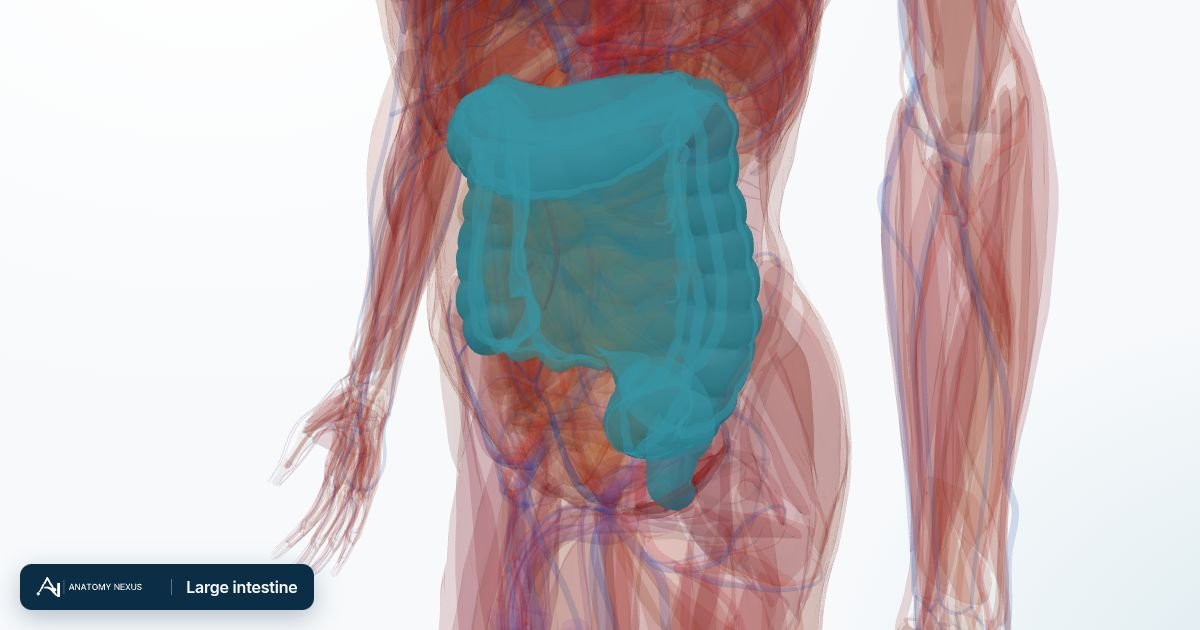
The NHS says lactulose draws water into the bowel, which makes poo softer. StatPearls says lactulose has negligible absorption into the body and reaches the large bowel unchanged. The NHS describes macrogol as an osmotic laxative that brings water into the bowel, making stools softer and easier to pass.
Members of the class
Members with a page on this site are linked.
Conditions treated
Class effects
- Stomach ache, bloating, wind and diarrhoea are listed by the NHS for both macrogol and lactulose; feeling or being sick is listed for macrogol.
- Diarrhoea is particularly common with lactulose at higher amounts, and the NHS says reducing the amount may help.
Cautions
- The NHS lists a past allergic reaction to lactulose and galactosaemia as reasons it may not be suitable.
- Irritable bowel syndrome, diverticular disease, Crohn's disease and a bowel blockage not caused by constipation are conditions where the NHS advises checking first.
- The NHS says long-term high amounts of lactulose may affect blood sugar in people with diabetes.
- Diarrhoea, bloating and wind are common with lactulose, according to the NHS.
- The NHS lists muscle cramps or weakness and an irregular heartbeat as serious side effects of lactulose, and says to contact a doctor or NHS 111 straight away if they follow severe diarrhoea or vomiting; a serious allergic reaction needs a 999 call.
- StatPearls says lactulose, like most laxatives, can cause large changes in the body's fluid and electrolyte balance, and that diarrhoea is its most significant side effect.
- The NHS says it is important to drink plenty of fluid when taking osmotic laxatives, to avoid dehydration.
- The NHS says lactulose is for babies and younger children only if a doctor prescribes or recommends it, and macrogol for younger children only if prescribed.
Class interactions
Open the Drug Interaction Checker
Connected pages in detail
What each linked page on Anatomy Nexus covers, in a line, for Osmotic laxatives.
Conditions
- Cirrhosis Scarring of the liver from long-term damage, in which nodules of regenerating cells are surrounded by fibrous bands that distort blood flow and…
Medications
- Lactulose Lactulose is a laxative used to treat constipation, and it is also used for hepatic encephalopathy, a condition caused by severe liver disease.