



Lactulose
Lactulose is a laxative used to treat constipation, and it is also used for hepatic encephalopathy, a condition caused by severe liver disease. The NHS says it draws water into the bowel to make poo softer, and that it takes at least 2 days to work.
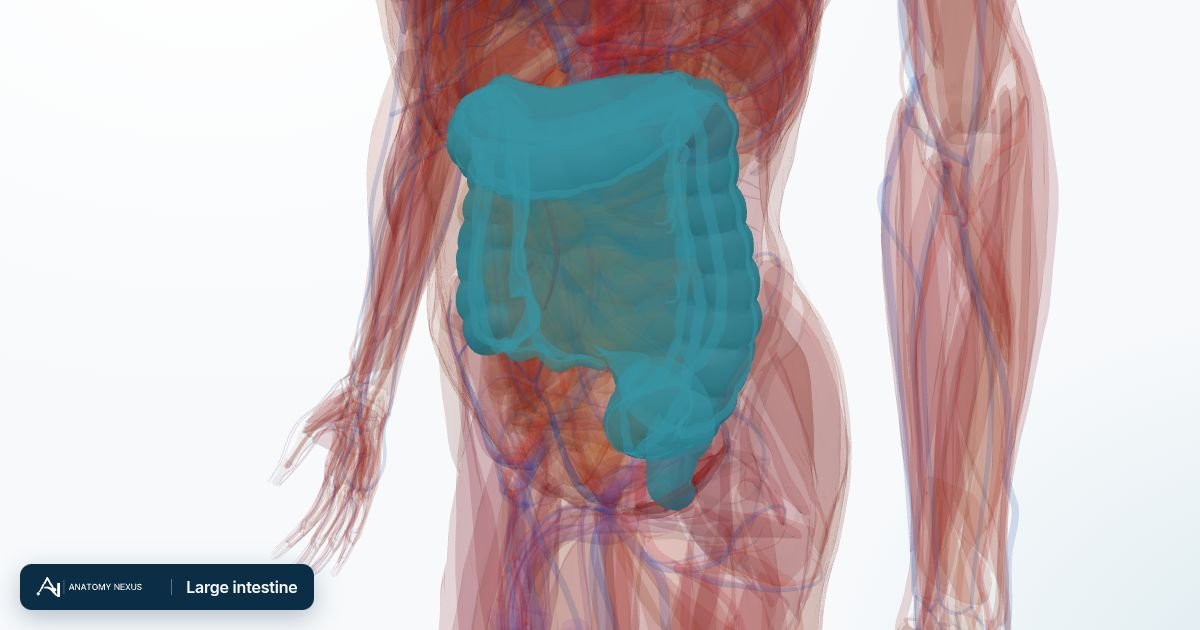
- Generic name
- Lactulose
- Active ingredient
- Lactulose
- Product type
- Small-molecule medicine
- Drug class
- Osmotic laxatives
- Brand names
- UK Lactulose oral solution
- Routes
- Oral
- Dosage forms
- Solution
- Onset and duration
- The NHS says lactulose is slow-acting and takes at least 2 days to work; if constipation does not improve, it advises talking to a doctor or pharmacist.
- Monitoring
- The NHS advises talking to a doctor or pharmacist if constipation does not improve. The NHS says that for hepatic encephalopathy a doctor may recommend taking lactulose for many months.
Availability by country
| Country | Status | Note | Source |
|---|---|---|---|
| UK | Prescription only | Children under 14 need a prescription | UK |
| UK | Pharmacy or behind the counter | Adults can buy it from a pharmacy for constipation | UK |
Legal status differs between countries and can change; each row cites the document it was taken from and applies only to the country named.
What it is used for
- Treating constipation.
- Treating hepatic encephalopathy, a condition caused by severe liver disease.
How it works in the body
The NHS says lactulose relieves constipation by drawing water into the bowel, which makes poo softer. The NHS says osmotic laxatives such as lactulose and macrogol draw water into the bowel to soften poo and make it easier to pass.
Common side effects
- The NHS says diarrhoea, particularly with high amounts, is a very common side effect.
- Bloating and wind are also common, and these effects are usually mild and do not last long.
Serious: seek help
- The NHS says serious side effects are rare, and that anaphylaxis, a serious allergic reaction, is possible in rare cases.
- Long-term use can lead to prolonged diarrhoea and an imbalance of body salts (electrolytes).
- In an emergency the route to care is 999 or A&E; for an urgent concern that is not an emergency it is NHS 111 or a same-day GP appointment, and for routine questions a GP appointment or a pharmacist.
Cautions and interactions
- The NHS says most people aged 14 and over can use lactulose, and that children under 14 need a doctor to prescribe it.
- The NHS lists a past allergic reaction to lactulose or a similar medicine and galactosaemia as reasons it may not be suitable.
- Irritable bowel syndrome, diverticular disease, Crohn's disease and a bowel blockage that is not caused by constipation are conditions where the NHS advises checking first.
- The NHS says lactulose increases gas and bloating, which can make IBS worse.
- The NHS says normal amounts of lactulose for constipation should have little or no effect on blood sugar, but long-term high amounts, such as those used for liver-related brain problems, may affect it.
- The NHS says lactulose can be taken during pregnancy and is not harmful to the baby, and that breastfeeding is fine if a doctor or midwife says the baby is healthy.
- The NHS says contraceptive pills may not protect against pregnancy if lactulose makes someone vomit or causes severe diarrhoea.
Interactions
Check interactions
Taking Lactulose with other medicines? Add them to the checker to see what the official sources say about each pair: the mechanism, general management and monitoring, never a bare "safe".
Interactions documented in the official sources cited on each card. The list covers the medicines represented on this site and is not exhaustive; how the interaction data is compiled.
No pair records for this medicine are in the sources currently represented by Anatomy Nexus. Absence from this list does not mean no interaction exists.
What is lactulose used for?
The NHS lists two uses for lactulose: constipation and hepatic encephalopathy. The NHS describes hepatic encephalopathy as a condition caused by severe liver disease, and says lactulose helps the body clear toxins that build up when the liver is failing. The NHS says lactulose is available on prescription and can also be bought from pharmacies. Babies and children under 14 need a doctor to prescribe it, according to the NHS.
How does lactulose work, and how long does it take?
Lactulose draws water into the bowel, which makes poo softer. It is slow-acting and takes at least 2 days to work. The NHS advises talking to a doctor or pharmacist if constipation does not improve. The NHS says osmotic laxatives such as lactulose and macrogol draw water into the bowel to soften poo and make it easier to pass.
Side effects and when to get help
Diarrhoea, bloating and wind are the common side effects. They are usually mild and do not last long. Serious side effects are rare, but long-term use can cause prolonged diarrhoea and an imbalance of electrolytes. A serious allergic reaction is an emergency: call 999. For other worries, NHS 111 or a GP can advise.
Who needs extra care with lactulose?
Children under 14 need a doctor to prescribe it, according to the NHS. The NHS lists a past allergic reaction and galactosaemia as reasons lactulose may not be suitable. The NHS says people with irritable bowel syndrome, diverticular disease or Crohn's disease should check with a doctor or pharmacist first, and that lactulose increases gas and bloating, which can make IBS worse. The NHS says it can be taken during pregnancy.
Frequently asked questions
Can lactulose be bought without a prescription?
Yes. The NHS says it is available on prescription and can be bought from pharmacies.
Does lactulose affect blood sugar?
The NHS says normal amounts of lactulose for constipation should have little or no effect on blood sugar, but long-term high amounts, such as those used for liver-related brain problems, may affect it.
Can lactulose be used for liver problems?
Yes. The NHS lists hepatic encephalopathy, a liver disease that causes confusion, as one of its uses.
Connected pages in detail
What each linked page on Anatomy Nexus covers, in a line, for Lactulose.
Conditions
- Cirrhosis Scarring of the liver from long-term damage, in which nodules of regenerating cells are surrounded by fibrous bands that distort blood flow and…
Symptoms
- Abdominal pain Pain between the ribs and the pelvis.
Drug classes
- Osmotic laxatives Osmotic laxatives draw water into the bowel to soften poo; lactulose is the one covered on this site.