



Hydroxychloroquine
Also known as: Plaquenil
Hydroxychloroquine is a medicine used to treat rheumatoid arthritis, lupus and some skin conditions. With long-term use it can cause changes in the retina, the light-sensitive layer at the back of the eye, and the Royal College of Ophthalmologists says this is more common than previously reported. NRAS advises contacting the GP or specialist team about any change in vision while taking it.
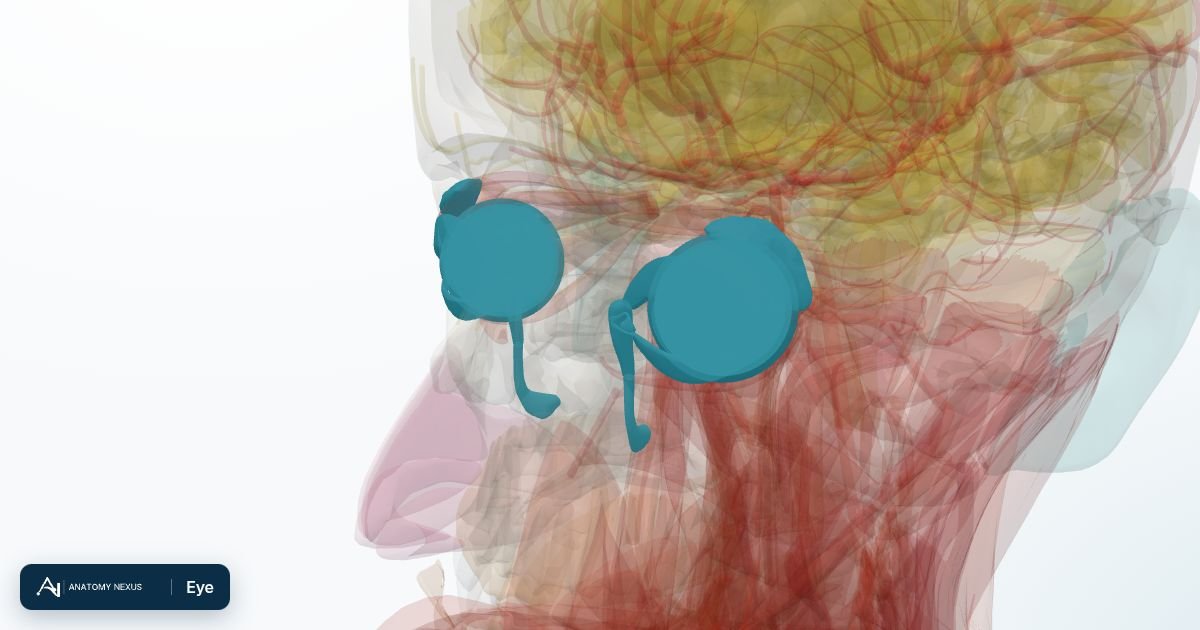
- Generic name
- Hydroxychloroquine
- Active ingredient
- Hydroxychloroquine
- Product type
- Small-molecule medicine
- Drug class
- Antimalarial DMARDs
- Brand names
- UK Plaquenil · US Plaquenil
- Routes
- Oral
- Dosage forms
- Tablet
- Also known as
- Plaquenil
- Usual preparations
- Tablets are taken by mouth. (summary of the cited reference, not a prescription)
- Onset and duration
- The NHS says it may take several weeks before improvement is noticed, and Versus Arthritis describes it as slow-acting.
- Monitoring
- Long-term use is monitored, which can include blood counts and eye examinations. The Royal College of Ophthalmologists no longer recommends a routine baseline eye test for people starting treatment. The guidance recommends regular eye monitoring after several years of treatment.
Availability by country
| Country | Status | Note | Source |
|---|---|---|---|
| UK | Prescription only | UK |
Legal status differs between countries and can change; each row cites the document it was taken from and applies only to the country named.
What it is used for
- Rheumatoid arthritis
- Lupus
- Some skin conditions
How it works in the body
The NHS describes it as a disease-modifying anti-rheumatic drug (DMARD) that works by blocking the effects of chemicals released when the immune system attacks the body. Reviews describe it building up inside small compartments of cells called lysosomes, which disrupts how immune cells process and present antigens, and one review notes that its exact mechanism has not been fully worked out.
Common side effects
- The NHS lists stomach ache, feeling or being sick, loss of appetite, diarrhoea, headache, an itchy rash and mood changes among the possible side effects.
- Blurred vision can occur when treatment starts, and the NHS says to avoid driving, cycling or using machinery until vision is back to normal.
Serious: seek help
- The NHS says most serious side effects are rare.
- The NHS says to contact a doctor or call NHS 111 straight away about eye problems, such as constant blurred vision, sensitivity to light or changes in how colours look.
- The NHS also lists severe skin reactions such as blistering or peeling, liver problems such as yellow skin or dark urine, unusual infections or bruising, symptoms of low blood sugar, and mood changes including thoughts of self-harm, and says to call NHS 111 about them.
- The NHS says to call 999 if the lips, mouth, throat or tongue suddenly swell, or if breathing becomes very fast or difficult.
Cautions and interactions
- The NHS lists a past allergic reaction to hydroxychloroquine or similar medicines, such as quinine, as a reason it may not be suitable.
- The NHS lists liver, kidney, blood or heart problems, maculopathy or other eye problems, diabetes and psoriasis as conditions that may make it unsuitable or need care.
- Versus Arthritis says it is not usually prescribed to people with maculopathy, a problem with the central part of the retina.
- The NHS says it is not considered an immunosuppressant but may lower white blood cell numbers, which can make infections more likely.
- The NHS pregnancy page says it is recommended to keep taking hydroxychloroquine during pregnancy, because inflammatory conditions that are not well treated can affect the baby.
- The NHS says that if the doctor or health visitor says the baby is healthy, hydroxychloroquine can be taken while breastfeeding; it passes into breast milk in very small amounts and has not been known to cause side effects in breastfed babies.
- The NHS says alcohol can be drunk while taking hydroxychloroquine.
- The NHS has a page on taking it with other medicines and herbal supplements; it says antacids can affect how well it is absorbed and that there is not enough information on herbal remedies and supplements.
- Versus Arthritis says to report new eye symptoms to a doctor straight away.
Interactions
Check interactions
Taking Hydroxychloroquine with other medicines? Add them to the checker to see what the official sources say about each pair: the mechanism, general management and monitoring, never a bare "safe".
Interactions documented in the official sources cited on each card. The list covers the medicines represented on this site and is not exhaustive; how the interaction data is compiled.
No pair records for this medicine are in the sources currently represented by Anatomy Nexus. Absence from this list does not mean no interaction exists.
Same-class and related medicines
Same class: Antimalarial DMARDs
Medicines that share the class of Hydroxychloroquine. They are separate medicines with their own licences, doses and interactions, not alternative names for Hydroxychloroquine.
Related medicines
Medicines often discussed alongside Hydroxychloroquine: used together, compared with it, or acting on the same problem by a different route.
Key facts
| Fact | Detail |
|---|---|
| Brand name | Plaquenil |
| Type of medicine | Disease-modifying anti-rheumatic drug (DMARD) |
| Available | On prescription only |
| Main uses | Rheumatoid arthritis, lupus and some skin conditions |
| Form | Tablets taken by mouth |
| Eye checks | Regular eye monitoring is recommended for long-term users |
| Vision changes | The GP, specialist team or NHS 111 for any change in vision (NRAS, NHS) |
What is hydroxychloroquine used for and how does it work?
Hydroxychloroquine is a medicine used to treat rheumatoid arthritis, lupus and some skin conditions. It is available only on prescription. MedlinePlus places it in a group of medicines called antimalarials and also describes it as an antirheumatic drug. The NHS describes it as a disease-modifying anti-rheumatic drug (DMARD) that works by blocking the effects of chemicals released when the immune system attacks the body. Versus Arthritis says it is not a painkiller. Reviews describe it building up inside small compartments of cells called lysosomes, which disrupts how immune cells process and present antigens, and one review notes that its exact mechanism has not been fully worked out. The NHS says it may take several weeks before improvement is noticed, and Versus Arthritis describes it as slow-acting. The NHS advises that feeling better is not on its own a reason to stop treatment.
What are the side effects?
The NHS lists stomach ache, feeling or being sick, loss of appetite, diarrhoea, headache, an itchy rash and mood changes among the possible side effects. Blurred vision can occur when treatment starts, and the NHS says to avoid driving, cycling or using machinery until vision is back to normal.
The NHS says most serious side effects are rare. The NHS says to contact a doctor or call NHS 111 straight away about eye problems, such as constant blurred vision, sensitivity to light or changes in how colours look. The NHS also lists severe skin reactions such as blistering or peeling, liver problems such as yellow skin or dark urine, unusual infections or bruising, symptoms of low blood sugar, and mood changes including thoughts of self-harm, and says to call NHS 111 about them. The NHS says to call 999 if the lips, mouth, throat or tongue suddenly swell, or if breathing becomes very fast or difficult.
Why are regular eye checks needed?
With long-term use it can cause changes in the retina, the light-sensitive layer at the back of the eye, and the Royal College of Ophthalmologists says this is more common than previously reported. A review says early damage to the retina often comes before changes in vision, so eye checks are used to look for it, and it can result in permanent loss of vision. The Royal College of Ophthalmologists describes the retinal changes as largely irreversible, and they can continue to progress after the medicine is stopped.
The Royal College says extra risk factors, such as tamoxifen use, reduced kidney function or a higher daily dose, can justify eye monitoring from the start of treatment, as decided by the prescriber. Its guidance describes monitoring with retinal imaging such as optical coherence tomography (OCT) scans. The Royal College of Ophthalmologists no longer recommends a routine baseline eye test for people starting treatment. The guidance recommends regular eye monitoring after several years of treatment. A 2026 summary from the Royal College says retinopathy is more common than previously reported. Versus Arthritis advises telling an optician about hydroxychloroquine and having regular eye check-ups. NRAS advises contacting the GP or specialist team about any change in vision while taking it. Versus Arthritis says to report new eye symptoms to a doctor straight away.
Who needs extra care, and what about pregnancy or other medicines?
The NHS lists a past allergic reaction to hydroxychloroquine or similar medicines, such as quinine, as a reason it may not be suitable. The NHS lists liver, kidney, blood or heart problems, maculopathy or other eye problems, diabetes and psoriasis as conditions that may make it unsuitable or need care. Versus Arthritis says it is not usually prescribed to people with maculopathy, a problem with the central part of the retina. The NHS says it is not considered an immunosuppressant but may lower white blood cell numbers, which can make infections more likely.
The NHS pregnancy page says it is recommended to keep taking hydroxychloroquine during pregnancy, because inflammatory conditions that are not well treated can affect the baby. The NHS says that if the doctor or health visitor says the baby is healthy, hydroxychloroquine can be taken while breastfeeding; it passes into breast milk in very small amounts and has not been known to cause side effects in breastfed babies. The NHS says alcohol can be drunk while taking hydroxychloroquine. The NHS has a page on taking it with other medicines and herbal supplements; it says antacids can affect how well it is absorbed and that there is not enough information on herbal remedies and supplements.
Frequently asked questions
Does hydroxychloroquine affect the eyes?
With long-term use it can cause changes in the retina, the light-sensitive layer at the back of the eye, and the Royal College of Ophthalmologists says this is more common than previously reported. The Royal College of Ophthalmologists describes the retinal changes as largely irreversible, and they can continue to progress after the medicine is stopped. Versus Arthritis advises telling an optician about hydroxychloroquine and having regular eye check-ups. The NHS says to contact a doctor or call NHS 111 straight away about eye problems, such as constant blurred vision, sensitivity to light or changes in how colours look. Versus Arthritis says to report new eye symptoms to a doctor straight away.
How long does hydroxychloroquine take to work?
The NHS says it may take several weeks before improvement is noticed, and Versus Arthritis describes it as slow-acting. The NHS advises that feeling better is not on its own a reason to stop treatment. Versus Arthritis says it is not a painkiller.
Can hydroxychloroquine be taken in pregnancy or while breastfeeding?
The NHS pregnancy page says it is recommended to keep taking hydroxychloroquine during pregnancy, because inflammatory conditions that are not well treated can affect the baby. The NHS says that if the doctor or health visitor says the baby is healthy, hydroxychloroquine can be taken while breastfeeding; it passes into breast milk in very small amounts and has not been known to cause side effects in breastfed babies.
Can alcohol be drunk, and what about other medicines?
The NHS says alcohol can be drunk while taking hydroxychloroquine. The NHS has a page on taking it with other medicines and herbal supplements; it says antacids can affect how well it is absorbed and that there is not enough information on herbal remedies and supplements. The NHS says it is not considered an immunosuppressant but may lower white blood cell numbers, which can make infections more likely.
Connected pages in detail
What each linked page on Anatomy Nexus covers, in a line, for Hydroxychloroquine.
Conditions
- Rheumatoid arthritis A chronic autoimmune disease in which the immune system attacks the synovial lining of joints.
Symptoms
- Joint pain Pain in one or more joints.
- Rash Any change in the colour or texture of the skin.
Medical tests
- Full blood count The most commonly ordered blood test: an automated count of the red cells, white cells and platelets in a small sample.
Medications
- Prednisolone and steroids A corticosteroid tablet that suppresses inflammation and the immune system, used in asthma flare-ups, arthritis.
Drug classes
- Antimalarial DMARDs MedlinePlus places hydroxychloroquine in a group of medicines called antimalarials and also describes it as an antirheumatic drug.