



Abdominal aortic aneurysm
Also known as: AAA, triple A, aortic aneurysm, abdominal aneurysm
An abdominal aortic aneurysm is a bulge in the aorta, the body's main blood vessel, where it runs through the tummy.
When to seek care
Call 999 for sudden, severe pain in the tummy or back, trouble breathing, pale or grey skin, or loss of consciousness, because these can signal a burst aneurysm. Tummy or back ache, or a pulsing feeling in the tummy, can have many causes, and NHS 111 Wales says it is best to have them checked, for which a GP appointment is the usual route.
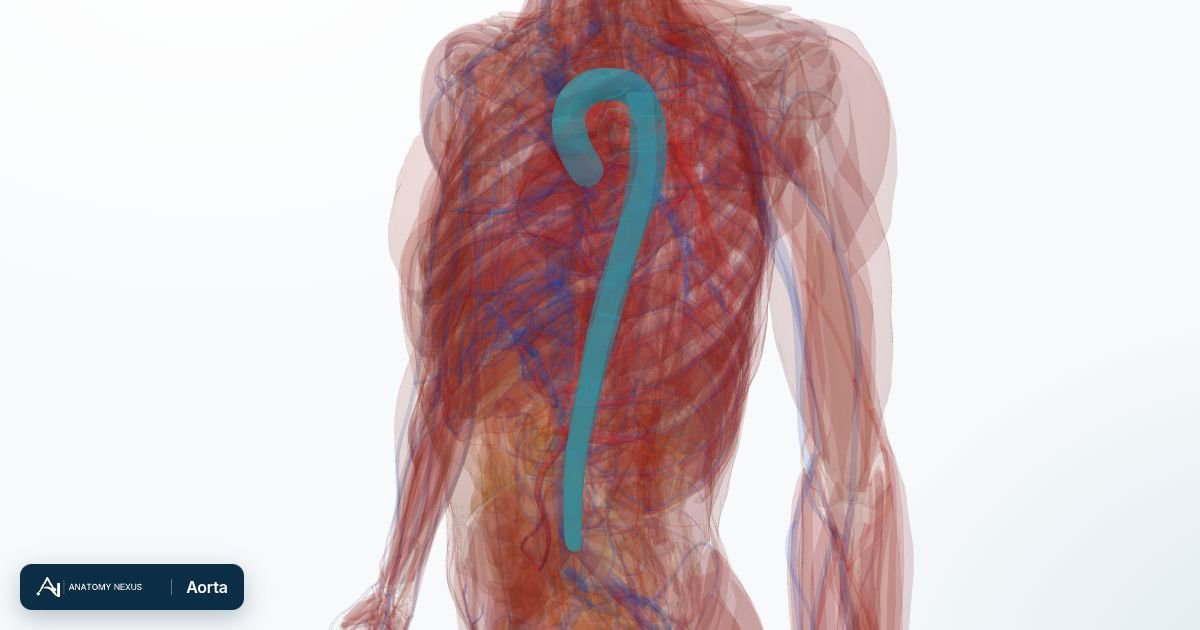
Overview
An abdominal aortic aneurysm, often shortened to AAA, is a bulge in the aorta where it passes through the tummy. It is usually caused by weakening of the aortic wall, and it often causes no symptoms and is found by chance. Men are most at risk, and the NHS offers an ultrasound test to all men when they turn 65. If an aneurysm bursts, it is a life-threatening emergency that needs treatment in hospital as soon as possible.
Causes
- The aneurysm is usually caused by weakening of the aortic wall.
- The British Heart Foundation links it to atherosclerosis, the build-up of fatty material in the arteries.
- Sometimes it can be caused by an infection, but this is rare.
Risk factors
- Being a man aged 65 or over
- Smoking
- High blood pressure
- High cholesterol
- A close relative who has had an abdominal aortic aneurysm
- Coronary artery disease or peripheral artery disease
- Chronic obstructive pulmonary disease (COPD)
- Conditions such as Marfan syndrome
Symptoms
What a clinician may find
- A bulge of the aorta that shows up on an ultrasound scan of the tummy
- In a rupture, sudden severe pain in the tummy or back, feeling faint or clammy, or passing out
Complications
- The aneurysm can burst (rupture), which causes severe bleeding and can be fatal.
- A rupture is a life-threatening emergency that needs treatment in hospital as soon as possible.
Diagnosis
The main test for an abdominal aortic aneurysm is an ultrasound scan of the tummy. A CT scan may be arranged if more detailed information is needed, for example when repair is being considered. When a symptomatic or burst aneurysm is suspected, NICE recommends an immediate bedside ultrasound of the aorta.
Treatment
Small aneurysms are usually watched with regular scans rather than operated on, along with healthy lifestyle changes. Surgery to reduce the risk of bursting may be done if the aneurysm is large, is getting bigger quickly or is painful. The two surgical options are endovascular repair, where a graft is threaded up into the aorta from the groin, and open surgery, where a graft is placed through a cut in the tummy. The NHS says both are equally good at reducing the risk of bursting, but each has its own advantages and disadvantages.
Prevention
MedlinePlus says an aortic aneurysm may not be preventable, but not smoking or stopping smoking lowers the risk. NICE says people being monitored are given advice to improve their health and slow the aneurysm growing, including lifestyle advice.
Key facts
| Fact | Detail |
|---|---|
| Also called | AAA or 'triple A' |
| What it is | A bulge in the aorta where it runs through the tummy |
| Often found | By chance, or by ultrasound screening |
| Main test | Ultrasound scan of the tummy |
| Most at risk | Older men, and people who smoke or have high blood pressure |
| Burst aneurysm | A life-threatening emergency: call 999 |
What is an abdominal aortic aneurysm?
An aneurysm is a weakness in the wall of a blood vessel that makes it bulge outwards. When this happens in the aorta where it runs through the tummy, it is called an abdominal aortic aneurysm, also known as AAA or 'triple A'.
Most abdominal aortic aneurysms cause no symptoms, so many are found by chance. Even so, an aneurysm that is left untreated can burst, which causes severe bleeding and can be fatal. This is why scans are used to check on one once it is found.
The NHS says an aneurysm is usually caused by a weakening of the main artery that runs from the heart to the tummy. The exact reason it weakens is often unclear. Smaller aneurysms are usually watched with regular scans, while large ones are generally recommended for surgery, as the treatment section explains.
What are the symptoms, and what are the signs of a burst aneurysm?
An abdominal aortic aneurysm often has no symptoms. If it gets bigger, a person might notice tummy or back ache or a pulsing feeling in the tummy. NHS 111 Wales says these symptoms can be caused by lots of things and do not mean a person has an aneurysm, but it is best to get them checked.
A burst aneurysm is different, because it is a life-threatening emergency. Signs of a rupture can include sudden, severe pain in the tummy or back, feeling faint or clammy, trouble breathing, pale or grey skin, and passing out. The NHS advises calling 999 for these signs, because a burst aneurysm needs treatment in hospital as soon as possible.
NHS hospital leaflets say the caller should tell the ambulance service that the person has an aortic aneurysm, and that the person should not drive themselves to hospital. NICE says that when a burst aneurysm is suspected, the person should be transferred for repair without waiting for a CT scan.
What causes it, and who is at risk?
An aneurysm is usually caused by weakening of the aortic wall. The British Heart Foundation links it to atherosclerosis, which is a build-up of fatty material in the arteries. MedlinePlus also lists atherosclerosis as a possible cause of aortic aneurysm. Sometimes an infection is the cause, but this is rare.
NHS 111 Wales lists the risk factors as being a man aged 65 or over, smoking, high blood pressure and high cholesterol. Having a close relative with an aneurysm also raises the risk, as do coronary artery disease, peripheral artery disease and chronic obstructive pulmonary disease (COPD). Conditions such as Marfan syndrome are also on the list.
The NHLBI, a US body, calls smoking one of the main factors that raise the risk of an aortic aneurysm, especially an abdominal one. It adds that in a current smoker the aneurysm may grow more quickly and be more likely to burst. NICE says doctors encourage older men and women to get tested if they are at risk, for example if they smoke.
How is it diagnosed, and what is the NHS screening programme?
The main test for an abdominal aortic aneurysm is an ultrasound scan of the tummy. The probe is pressed gently on the tummy, and the scan shows whether an aneurysm is present and how big it is. A CT scan may be arranged if more detailed information is needed.
In England, the NHS offers an ultrasound test to all men when they turn 65, because men are most at risk. The scan is done once unless an aneurysm is found. The NHS says the result is given at the end of the scan and the GP surgery is sent the results. A man whose scan finds no aneurysm is discharged from the programme, and a large aneurysm developing afterwards is described as very rare.
A small aneurysm needs no treatment at that stage because the chance of it bursting is lower, and the man is invited back for a scan every year to check its size. The programme aims to reduce deaths from burst aneurysms through early detection, monitoring and treatment. It does not screen women, because there is currently no evidence to support screening them. NICE says men who have not been screened can be told about the NHS programme and can refer themselves.
How is it treated?
Treatment depends on the size of the aneurysm and on whether it is growing quickly or is painful. Small aneurysms are usually watched with regular scans and healthy lifestyle changes rather than operated on. NICE says people being monitored are given advice to improve their health and slow the aneurysm growing, including lifestyle advice.
Surgery is generally recommended for large aneurysms, and may also be considered if an aneurysm is growing quickly or is painful. In endovascular repair, a graft is threaded up into the aorta from a blood vessel in the groin. In open surgery, the graft is placed through a cut in the tummy.
The NHS says both techniques are equally good at reducing the risk of an aneurysm bursting, but each has its own advantages and disadvantages. NHS hospital leaflets describe endovascular repair as generally involving fewer complications and a shorter hospital stay, while open surgery generally needs less long-term follow-up. The choice is usually made together with the surgeon.
Frequently asked questions
Does every abdominal aortic aneurysm burst?
No. Most abdominal aortic aneurysms cause no symptoms and are often found by chance. However, an aneurysm can burst, which causes severe bleeding and can be fatal. This is why small ones are watched with regular scans, while large ones are generally recommended for surgery.
Who is offered NHS screening?
In England, the NHS offers an ultrasound test to all men when they turn 65, because men are most at risk. The result is given at the end of the scan, and the GP surgery is sent the results. NICE says men who have not been screened can refer themselves, and doctors encourage older men and women who are at risk, for example because they smoke, to get tested.
What are the signs of a burst aneurysm?
Signs can include sudden, severe pain in the tummy or back, feeling faint or clammy, trouble breathing, pale or grey skin, and passing out. The NHS advises calling 999, because a burst aneurysm is a life-threatening emergency that needs treatment in hospital as soon as possible. NHS hospital leaflets say the person should not drive themselves to hospital.
Can an abdominal aortic aneurysm be prevented?
MedlinePlus says an aortic aneurysm may not be preventable, but not smoking or stopping smoking lowers the risk. NICE says people being monitored are given advice to improve their health and slow the aneurysm growing, including lifestyle advice. The NHLBI adds that in a current smoker an abdominal aortic aneurysm may grow more quickly.
What types of surgery are there?
There are two main types: endovascular repair and open surgery. In endovascular repair, a graft is threaded up into the aorta from a blood vessel in the groin. In open surgery, the graft is placed through a cut in the tummy. The NHS says both are equally good at reducing the risk of bursting, but each has advantages and disadvantages, and the choice is usually made with the surgeon.
Connected pages in detail
What each linked page on Anatomy Nexus covers, in a line, for Abdominal aortic aneurysm.
Conditions
- High blood pressure (hypertension) Persistently raised arterial pressure, usually defined as 140/90 mmHg or more in the clinic (135/85 on home readings).
- Coronary artery disease Narrowing of the coronary arteries by fatty plaque (atherosclerosis), limiting blood flow to the heart muscle.
- Chronic obstructive pulmonary disease (COPD) Progressive, largely irreversible airflow obstruction caused by damage to the airways (chronic bronchitis) and destruction of alveoli (emphysema).
Symptoms
- Abdominal pain Pain between the ribs and the pelvis.
- Back pain Pain in the spine or the muscles beside it, most often the lower back.
Imaging
- Ultrasound High-frequency sound waves bounced off tissue give real-time, radiation-free images, used for pregnancy, the abdomen, the heart (echocardiography).
- CT scan A rotating X-ray tube and computer build cross-sectional slices of the body in seconds, showing bone, organs.
Guides and news
- NHS screening: who is invited and how often In England the NHS invites eligible people for bowel, breast, cervical, abdominal aortic aneurysm and diabetic eye screening.