



Bladder cancer
Also known as: cancer of the bladder, bladder tumour, urothelial carcinoma of the bladder
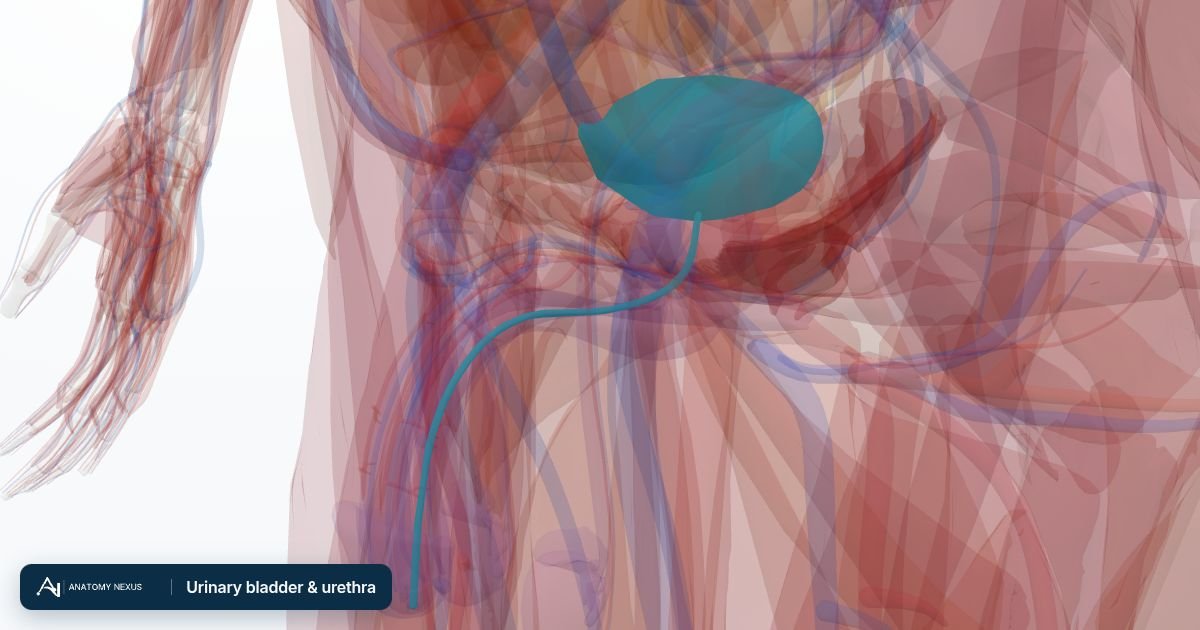
Bladder cancer is cancer that forms in the tissues of the bladder, the organ that stores urine.
When to seek care
The NHS advises asking for an urgent GP appointment, or contacting NHS 111, for blood in the urine, even if it is a small amount or there are no other symptoms. NHS 111 Wales says blood in the urine should be checked even if it comes and goes. Many people with blood in their urine do not have bladder cancer, as infections, kidney stones and an enlarged prostate are other possible causes, but it still needs checking.
Overview
Blood in the urine is the most common sign of bladder cancer, according to Macmillan and MedlinePlus. Many people with blood in their urine do not have bladder cancer, but the NHS advises asking for an urgent GP appointment or contacting NHS 111. Smoking is the biggest known risk factor for bladder cancer. Treatment depends on the stage and type of the cancer, and the NHS says surgery is usually offered first, with chemotherapy, radiotherapy or immunotherapy added in some cases.
Causes
- Smoking is the biggest known risk factor, and estimates of its share of cases vary between sources
- Contact with certain chemicals at work, such as aromatic amines used in some industries, is also linked to the cancer
- Repeated urinary infections and long-term bladder stones have been linked to a less common squamous cell type
Risk factors
- Smoking, including heavy and long-term smoking
- Exposure to certain chemicals in the workplace
- Being male
- Being older
- Repeated urinary infections or long-term bladder stones, linked to a less common squamous cell type
Symptoms
What a clinician may find
- Visible blood in the urine, which may look pink, red or dark brown
- Blood that is only found on a urine test
- Burning when passing urine, passing urine more often or feeling the bladder has not emptied
Complications
- Non-muscle-invasive bladder cancer often comes back after treatment
- Some tumours can progress, so follow-up after treatment is usually long-term
- Treatment placed into the bladder, such as BCG, can cause bladder irritation, blood in the urine and fever
Diagnosis
A GP usually sees a person first and may ask for a urine sample to be sent for testing. The sample is checked for infection and, in some cases, for cancer cells. If the GP thinks cancer is possible or is unsure of the cause, they refer the person to a urologist, a specialist in the urinary tract. The main test is a cystoscopy, in which a thin camera is passed through the urethra to look inside the bladder. Imaging such as a CT urogram may also be used, and abnormal areas can be removed in an operation called TURBT so they can be tested for cancer.
Treatment
Treatment depends on the stage and type of the cancer. The NHS says surgery is usually offered first, and chemotherapy, radiotherapy, targeted medicines or immunotherapy may be added depending on the case. For early-stage disease, treatments such as BCG or mitomycin can be placed directly into the bladder. Removing the whole bladder, called cystectomy, is used for higher-risk or muscle-invasive disease, and radiotherapy with chemotherapy is another approach.
Prevention
Smoking is the biggest known risk factor, and workplace exposure to certain chemicals is also linked to the cancer.
Key facts
| Fact | Detail |
|---|---|
| Also called | Cancer of the bladder |
| Main warning sign | Blood in the urine, which may be visible or found only on a urine test |
| Biggest known risk factor | Smoking |
| Main hospital test | Cystoscopy, a camera test of the inside of the bladder |
| Treatment options | Surgery, chemotherapy, radiotherapy, immunotherapy and targeted medicines |
| Route to care | Ask for an urgent GP appointment, or contact NHS 111, for blood in the urine |
What are the symptoms of bladder cancer?
Blood in the urine is the most common sign of bladder cancer, according to Macmillan and MedlinePlus. The blood can be visible, or present in amounts too small to see and found only on a urine test. The NHS says blood in the urine may look pink, red or dark brown. Macmillan says it can start suddenly and may come and go. Other symptoms include a burning feeling when passing urine, needing to pass urine more often, rushing to the toilet, difficulty passing urine and a feeling that the bladder has not fully emptied. Pain in the lower tummy or back is less common. Macmillan says these urinary symptoms are usually caused by an infection, an overactive bladder or an enlarged prostate rather than cancer. Many people with blood in their urine do not have bladder cancer. The NHS advises asking for an urgent GP appointment, or contacting NHS 111, for blood in the urine, even if it is a small amount or there are no other symptoms. NHS 111 Wales says blood in the urine should be checked even if it comes and goes.
What causes bladder cancer, and who is at higher risk?
Smoking is the biggest known risk factor for bladder cancer. A Bristol NHS urology page explains that chemicals from tobacco are filtered into the urine and sit against the bladder lining. Estimates of how much smoking contributes vary: NHS 111 Wales says more than a third of cases are caused by it, while Macmillan suggests about half. The Royal Marsden says heavy, long-term smoking carries the most risk. Exposure to certain chemicals at work is another recognised factor. These include aromatic amines and aniline dyes, with jobs in dye production, textiles, rubber, plastics and paint linked to higher risk. Cancers linked to these chemicals can take many years to appear, so past exposure still matters. NHS pages list being older and being male as other factors. Repeated urinary infections and long-term or untreated bladder stones have been linked to a less common type called squamous cell bladder cancer. Having a risk factor does not mean a person will develop bladder cancer.
How is bladder cancer diagnosed?
A GP usually sees a person first and may ask for a urine sample to be sent for testing. The sample is checked for infection and, in some cases, for cancer cells. The GP may also arrange blood tests. If the GP thinks cancer is possible or is unsure of the cause, they refer the person to a urologist, a specialist in the urinary tract. The main test is a cystoscopy, in which a thin camera is passed through the urethra to look inside the bladder. It can be done while awake with a local anaesthetic, or under general anaesthetic. A small sample of the bladder lining, called a biopsy, may be taken for testing. If cystoscopy shows abnormal areas, an operation called TURBT can remove them so that the tissue can be tested for cancer. Imaging such as an ultrasound scan, a CT urogram or an MRI scan may also be used.
How is bladder cancer treated?
Treatment depends on the stage and type of the cancer. The NHS says surgery is usually offered first, and chemotherapy, radiotherapy, targeted medicines or immunotherapy may be added depending on the case. For non-muscle-invasive disease, an operation called TURBT removes visible tumours through the urethra. For early disease, a single dose of chemotherapy can be placed directly into the bladder through a catheter after surgery. Treatments such as BCG immunotherapy or mitomycin chemotherapy can also be placed directly into the bladder for non-muscle-invasive disease. A review describes BCG as the standard treatment after surgery for high-risk non-muscle-invasive disease. Removing the whole bladder, called cystectomy, is used for higher-risk or muscle-invasive disease and is major surgery. Radiotherapy may be used instead of surgery, and is often combined with chemotherapy, which is called chemoradiotherapy. Reviews describe radical cystectomy as the standard option for muscle-invasive bladder cancer, with chemoradiotherapy as a bladder-sparing alternative for some people. One review notes that no randomised trials have directly compared the two approaches.
Can bladder cancer come back, and what is living with it like?
Non-muscle-invasive bladder cancer often comes back after treatment. Reviews describe high rates of recurrence in the first years after treatment, and some tumours can progress. For this reason, follow-up is long-term, and one review describes it as lifelong. Cystoscopy is the standard method of follow-up, often combined with urine tests and imaging of the upper urinary tract. The schedule is usually adapted to the risk category of the tumour. Urine-based tests are being studied, but reviews say none has yet replaced cystoscopy in routine practice. Treatment placed into the bladder can have side effects. A systematic review linked BCG to bladder irritation, blood in the urine and fever in a substantial share of people. A quality-of-life review found that treatment-related side effects were the main reason people stopped treatment. One comparison reported more systemic side effects with BCG than with mitomycin C. After bladder-sparing chemoradiotherapy, reviews say lifelong surveillance is needed because the risk of recurrence remains for years.
Frequently asked questions
Is blood in the urine always bladder cancer?
No. Many people with blood in their urine do not have bladder cancer. Infections, kidney stones and an enlarged prostate are other possible causes of blood in the urine. The NHS advises asking for an urgent GP appointment, or contacting NHS 111, for blood in the urine, even if it is a small amount or there are no other symptoms. NHS 111 Wales says blood in the urine should be checked even if it comes and goes.
What is a cystoscopy?
A cystoscopy is the main test for bladder cancer. A thin camera is passed through the urethra to look inside the bladder. It can be done while awake with a local anaesthetic, or under general anaesthetic. A small sample of the bladder lining, called a biopsy, may be taken for testing.
Does smoking cause bladder cancer?
Smoking is the biggest known risk factor for bladder cancer. Estimates of how much smoking contributes vary: NHS 111 Wales says more than a third of cases are caused by it, while Macmillan suggests about half. Chemicals from tobacco are filtered into the urine and sit against the bladder lining. Some chemicals used in workplaces are also linked.
What treatments are used for bladder cancer?
Treatment depends on the stage and type of the cancer. The NHS says surgery is usually offered first, and chemotherapy, radiotherapy, targeted medicines or immunotherapy may be added depending on the case. For non-muscle-invasive disease, an operation called TURBT removes visible tumours through the urethra. Radiotherapy may be used instead of surgery, and is often combined with chemotherapy, which is called chemoradiotherapy.
Can bladder cancer come back?
Non-muscle-invasive bladder cancer often comes back after treatment. Reviews describe high rates of recurrence in the first years after treatment, and some tumours can progress. For this reason, follow-up is long-term, and one review describes it as lifelong. Cystoscopy is the standard method of follow-up, often combined with urine tests and imaging of the upper urinary tract.
Connected pages in detail
What each linked page on Anatomy Nexus covers, in a line, for Bladder cancer.
Conditions
- Urinary tract infection Bacterial infection of the bladder (cystitis) or, when it ascends, the kidney (pyelonephritis), usually by gut bacteria such as Escherichia coli.
- Kidney stones Hard crystals, most commonly calcium oxalate, that form in the kidney and can pass into and block the ureter.
Symptoms
- Pelvic pain Pain felt low in the abdomen, below the navel and between the hip bones.
- Back pain Pain in the spine or the muscles beside it, most often the lower back.
Medical tests
- Urinalysis A plastic strip with chemical pads dipped into a fresh urine sample.
- Biopsy Removal of a small piece of tissue or a few cells so a pathologist can examine them under the microscope.
Imaging
- CT scan A rotating X-ray tube and computer build cross-sectional slices of the body in seconds, showing bone, organs.
Guides and news
- Cystoscopy: what happens and what to expect A cystoscopy uses a thin camera passed through the urethra to look inside the bladder.