



Fibromyalgia
Also known as: fibromyalgia syndrome, FMS, fibro
A long-term condition that causes pain all over the body.
When to seek care
The NHS advises seeing a GP, through a routine appointment, if a person thinks they have fibromyalgia. NHS-based guidance suggests getting in touch again if pain is getting worse, self-help has not helped after several weeks, or new symptoms appear. Call 999 for an emergency, and use NHS 111 or a same-day GP appointment for urgent problems.
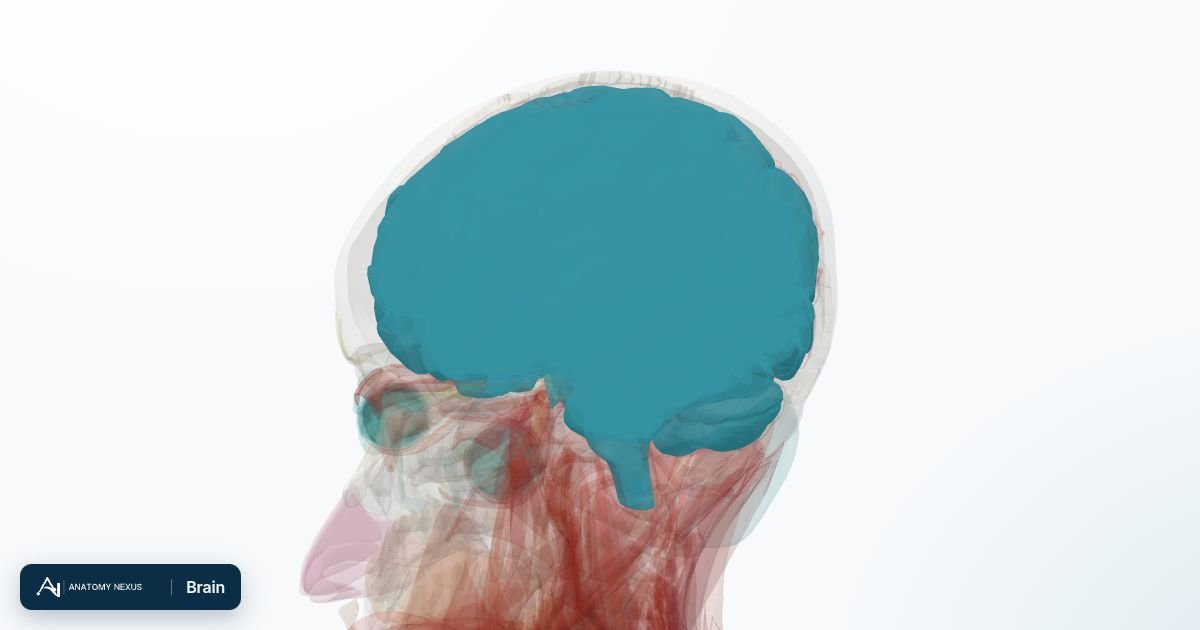
Overview
Fibromyalgia, also called fibromyalgia syndrome, is a long-term condition that causes pain all over the body. The NHS says increased sensitivity to pain, muscle stiffness, poor sleep, fatigue and difficulty concentrating are common. It is more common in women than in men and usually starts in midlife, according to the NHS. The exact cause is unknown and there is no specific test, but treatments can help relieve some of the symptoms.
Causes
- The exact cause is unknown
- Abnormal levels of certain chemicals in the brain are thought to be involved
- Changes in the way the central nervous system processes pain messages
- Genetic factors, as the condition tends to run in families
- Triggers such as injury, infection or stress may play a part
Risk factors
- Being female
- Usually starting in midlife
- A family history of fibromyalgia
- Mood disorders
- A common link with arthritis and with a traumatic event, according to Versus Arthritis
Symptoms
What a clinician may find
- Blood, urine and imaging tests are typically normal
- Widespread pain with other symptoms such as fatigue and poor sleep
Complications
- Low mood or depression can accompany the condition
- Other pain conditions can exist alongside it
Diagnosis
There is no specific test for fibromyalgia, the NHS says. NIAMS says it is diagnosed mainly from widespread pain together with other symptoms. MedlinePlus says the provider reviews the history, examines the person and may order tests to exclude other conditions with similar symptoms.
Treatment
There is no cure, and the NHS says the main treatments are exercise, talking therapies and medicines. Antidepressants are sometimes used to relieve pain. NIAMS describes a plan combining psychological and behavioural therapy, medicines and self-management such as physical exercise, yoga or tai chi. Anti-inflammatory pain relievers are usually not effective for fibromyalgia, according to NIAMS.
Prevention
The sources reviewed do not describe a way to prevent fibromyalgia; self-management steps such as staying active, good sleep habits and managing stress are described for living with it.
Key facts
| Fact | Detail |
|---|---|
| Also called | Fibromyalgia syndrome (FMS) |
| Type of condition | A long-term condition causing pain all over the body |
| Common symptoms | Pain sensitivity, muscle stiffness, poor sleep, fatigue and fibro-fog |
| Who it affects | More common in women; usually starts in midlife (NHS) |
| Diagnosis | No specific test; based mainly on widespread pain and other symptoms |
| Main treatments | Exercise, talking therapies and medicines |
| Outlook | No cure, but treatments can relieve some symptoms |
What is fibromyalgia?
Fibromyalgia, also called fibromyalgia syndrome, is a long-term condition that causes pain all over the body. Versus Arthritis describes it as not a problem of the joints, bones or muscles themselves. It says that, unlike in conditions such as arthritis, the pain is not caused by visible inflammation or damage to the body, and that this does not mean the symptoms are unreal. The charity adds that the exact cause is unclear.
The NHS says it is more common in women than in men and usually starts in midlife, although it can affect people of any age, including children and older people. Versus Arthritis says most cases begin between the mid-20s and mid-50s. The US National Institute of Arthritis and Musculoskeletal and Skin Diseases (NIAMS) says that anyone can get fibromyalgia, although more women than men are affected. Symptoms can change over time. There is currently no cure, but treatment can ease some symptoms, although the NHS says they are unlikely to disappear completely.
What are the symptoms of fibromyalgia?
The NHS lists increased sensitivity to pain, muscle stiffness, poor sleep and fatigue among the common symptoms. It also describes problems with concentration and memory, known as fibro-fog, as well as headaches, irritable bowel syndrome, and feelings of frustration, worry or low mood. MedlinePlus describes a similar picture of widespread pain, sleep problems, fatigue and trouble with thinking and memory.
MedlinePlus also lists numbness or tingling and sensitivity to light, noise, odours and temperature among the main symptoms. The NHS says symptoms can get better or worse depending on factors such as stress levels, changes in the weather or how physically active a person is. Because the symptoms can be similar to those of a number of other conditions, the NHS says there is no specific test to confirm the diagnosis, and a GP diagnoses it by looking at the symptoms and their effect on daily life.
What causes fibromyalgia, and who is more likely to get it?
The NHS says the exact cause is unknown. It says the condition is thought to be related to abnormal levels of certain chemicals in the brain and to changes in the way the central nervous system processes pain messages. The NHS adds that genes may play a part, and that the condition often appears to be triggered by physical or emotional events such as an injury, an infection or stress.
NIAMS says the condition tends to run in families, so genetic factors are likely to contribute, although little is known for certain about the specific genes involved. It also says researchers think environmental factors play a role. Mood disorders may make fibromyalgia more likely, according to NIAMS. Versus Arthritis notes a common link with arthritis, a traumatic event, and mental health and wellbeing, and says fibromyalgia is not caused by damage or an injury to the body.
How is fibromyalgia diagnosed?
The NHS says there is no specific test for fibromyalgia, and that a GP diagnoses it by looking at the symptoms and their effect on daily life. NIAMS says the diagnosis is made mainly from widespread pain together with other symptoms. MedlinePlus says providers have to rule out other causes of the symptoms: the provider reviews the history in detail, examines the person and may order X-rays and blood tests to exclude other conditions.
MedlinePlus adds that blood, urine and imaging tests are typically normal in fibromyalgia and are ordered to check for conditions with similar symptoms. The CDC says a health care provider may suggest working with a team of specialists, which can include a rheumatologist, pain management specialist, physical therapist, mental health professional and sleep specialist. NIAMS says primary care providers manage most people with fibromyalgia, with pain management specialists also part of the team. NICE describes fibromyalgia (chronic widespread pain) as a type of chronic primary pain, meaning pain with no clear underlying cause, or pain, or its impact, out of proportion to any observable injury or disease.
How is fibromyalgia treated?
The NHS says the main treatments are exercise, talking therapies and medicines. It says antidepressants are sometimes used to relieve pain, and that cognitive behavioural therapy is a common talking therapy. NIAMS describes a plan that typically combines psychological and behavioural therapy, medicines and self-management approaches such as physical exercise and movement therapies like yoga or tai chi. The CDC lists cognitive behavioural therapy, a type of talk therapy meant to change how people act or think.
NIAMS says a number of medicines can help relieve pain and improve sleep, and that improvement is often gradual. It adds that anti-inflammatory pain relievers are usually not effective, because fibromyalgia does not cause tissue inflammation, although they may help with other painful conditions. Versus Arthritis says a doctor may only recommend drug treatment once options such as exercise, psychological therapy or acupuncture have been tried. For chronic primary pain, NICE guideline NG193 recommends offering a supervised group exercise programme to people aged 16 and over, and considering an antidepressant for adults after a full discussion of the benefits and risks.
What can help with living with fibromyalgia day to day?
The NHS self-help page says relaxation is important and suggests that deep breathing or meditation may help. It also notes that stress can make symptoms flare and that relaxing before bed may help sleep, and it lists sleep habits such as getting up at the same time each morning, keeping a bedtime routine, and avoiding caffeine, nicotine and alcohol before bed. Versus Arthritis links poor sleep with the condition and says regular activity, particularly aerobic exercise, and cognitive behavioural therapy have been effective for people with disrupted sleep.
A University Hospitals Coventry and Warwickshire NHS Trust page cautions that letting symptoms alone guide activity levels can lead to a boom-and-bust cycle of being over-active and under-active. A Torbay and South Devon NHS leaflet says it is important to pace yourself in any activity. The CDC lists learning self-management skills, regular physical activity and keeping a healthy weight as recommended strategies. For fibro-fog, an NHS hospital pain-clinic workbook suggests keeping notes in one place, such as a notepad or phone, and breaking tasks into smaller chunks.
When should someone see a doctor about fibromyalgia?
The NHS advises seeing a GP if a person thinks they have fibromyalgia, and a routine GP appointment is the usual route.
NHS-based guidance suggests getting back in touch if pain is getting worse, if self-help measures have not helped after several weeks, if prescribed medicine is not helping, or if new symptoms appear. The same guidance advises that anyone who thinks they may be depressed should get help from a GP. If someone feels in immediate danger from thoughts of harming themselves, calling 999 is the route, and NHS 111 (mental health option) or Samaritans on 116 123, free at any time, can also be used. For sudden severe symptoms that do not fit the usual pattern, such as chest pain or weakness on one side, call 999; NHS 111 or a same-day GP appointment is the route for urgent problems that are not emergencies.
Frequently asked questions
Can fibromyalgia be cured?
There is currently no cure for fibromyalgia, the NHS says. Treatments can help relieve some of the symptoms, although they are unlikely to disappear completely. The main treatments the NHS describes are exercise, talking therapies and medicines, and symptoms can get better or worse over time depending on factors such as stress, weather and activity.
Is fibromyalgia the same as arthritis?
No. Versus Arthritis says fibromyalgia is not a problem of the joints, bones or muscles themselves. It says the pain is not caused by visible inflammation or damage to the body, unlike in conditions such as arthritis. The charity also notes a common link between fibromyalgia and arthritis, among other factors.
Does fibromyalgia show up on blood tests or scans?
The NHS says there is no specific test for fibromyalgia. MedlinePlus says blood, urine and imaging tests are typically normal in fibromyalgia and are ordered to check for conditions with similar symptoms. NIAMS says diagnosis rests mainly on widespread pain together with other symptoms.
Does exercise help fibromyalgia?
The NHS lists exercise among the main treatments for fibromyalgia. NIAMS includes physical exercise and movement therapies such as yoga or tai chi in the self-management part of a treatment plan, and NICE recommends offering supervised group exercise for chronic primary pain. A University Hospitals Coventry and Warwickshire NHS Trust page warns of a boom-and-bust cycle of being over-active and under-active.
Connected pages in detail
What each linked page on Anatomy Nexus covers, in a line, for Fibromyalgia.
Conditions
- Osteoarthritis The commonest joint disease: progressive loss of articular cartilage with changes in the underlying bone, causing pain and stiffness.
- Rheumatoid arthritis A chronic autoimmune disease in which the immune system attacks the synovial lining of joints.
Symptoms
- Fatigue Persistent tiredness that rest does not fix.
- Headache Pain felt anywhere in the head.
- Numbness Reduced or absent feeling in part of the body.
- Tingling (pins and needles) Prickling, buzzing or crawling sensations without an outside cause, produced when sensory nerves fire abnormally.