



Gestational diabetes
Also known as: GDM, gestational diabetes mellitus, diabetes in pregnancy
Gestational diabetes is a form of diabetes that starts during pregnancy and typically clears up after the baby is born.
When to seek care
NHS inform notes that some symptoms of high blood sugar are also normal in pregnancy, and most cases are found through screening blood tests rather than symptoms. Anyone concerned about their blood sugar or their pregnancy can contact their GP, midwife or maternity unit. Maternity services advise contacting the midwife or maternity unit straight away if a baby's movements slow, weaken or stop. After the birth, a blood test to check for diabetes is recommended, with a yearly test if the result is normal. Call 999 in an emergency.
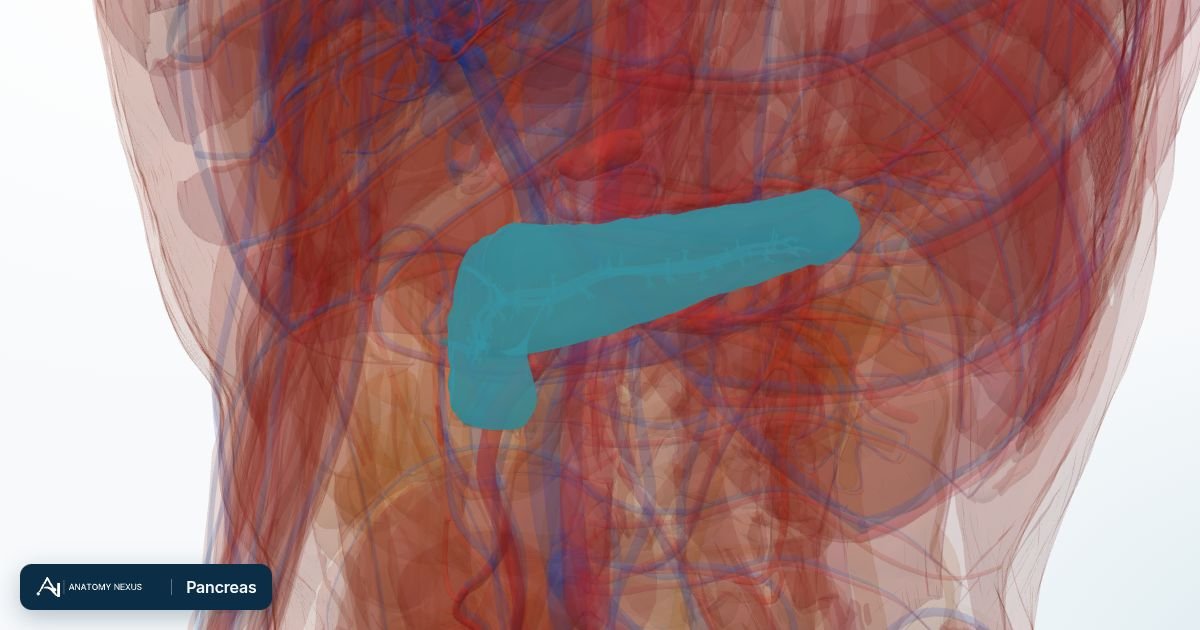
Overview
Gestational diabetes is a form of diabetes that starts during pregnancy in women who did not have diabetes before. Hormones made during pregnancy can make insulin less effective, and some women cannot make enough insulin to overcome this. Most people have no symptoms, so it is usually found through screening with a blood test. Care starts with changes to diet and physical activity, and medicine is added if blood sugar stays too high. It typically clears up after the birth, but it raises the chance of type 2 diabetes later.
Causes
- Hormones made during pregnancy can make the body's cells respond poorly to insulin, which is called insulin resistance.
- Most women make enough extra insulin to compensate, but some cannot, and they develop gestational diabetes.
Risk factors
- A higher body mass index (BMI), which the NHS lists among the factors that raise the chance.
- Having had gestational diabetes in an earlier pregnancy.
- Having had a previous baby who was large at birth.
- A parent or sibling with diabetes.
- A South Asian, Black, African-Caribbean or Middle Eastern family background.
- Being over 40.
Symptoms
What a clinician may find
- Raised blood sugar found on a screening blood test, often in someone who feels well.
- A baby who is growing larger than usual.
- Too much amniotic fluid.
Complications
- For the baby: excess growth, birth injury, low blood sugar and jaundice after birth, and, rarely, stillbirth.
- For the mother: pre-eclampsia, premature labour and too much amniotic fluid.
- A higher chance of type 2 diabetes later in life.
- A higher chance of gestational diabetes in future pregnancies.
Diagnosis
The midwife or doctor asks questions at the booking appointment to work out whether someone is at increased risk. Screening usually uses a blood test called an oral glucose tolerance test, which takes about two hours, and the NHS says it is done between 24 and 28 weeks of pregnancy. Women who have had gestational diabetes before are offered testing early in pregnancy. Timing and thresholds differ between UK nations and local services.
Treatment
Treatment starts with changes to diet and physical activity. Medicine may be added if blood sugar is still not stable 1 to 2 weeks after those changes, or if it is very high at diagnosis. The options are tablets, usually metformin, or insulin injections. Insulin is usually offered if metformin does not work well enough or causes side effects. Medicines are usually stopped after the birth. During labour, blood sugar is monitored and kept under control, and a glucose and insulin drip may be needed.
Prevention
NHS hospital leaflets suggest that being physically active, keeping to a healthy weight and eating a healthy balanced diet after the birth can lower the chance of type 2 diabetes after gestational diabetes. Diabetes UK says gestational diabetes is not directly caused by sugar, but overweight or obesity raises the risk.
Key facts
| Fact | Detail |
|---|---|
| Also called | Gestational diabetes mellitus (GDM) |
| Who it affects | Pregnant women who did not have diabetes before |
| Usually found by | Screening with a glucose tolerance test during pregnancy |
| First treatment | Changes to diet and physical activity |
| Medicines sometimes used | Metformin tablets or insulin injections |
| After the birth | Usually clears up, with a blood test to check for diabetes recommended |
| Longer-term | A higher chance of type 2 diabetes later |
What is gestational diabetes and why does it happen?
Gestational diabetes is a form of diabetes that starts during pregnancy. Diabetes UK describes it as affecting women who did not have diabetes before, and it typically clears up after the baby is born. Insulin is the hormone that helps the body handle sugar in the blood. Pregnancy brings hormones and other changes that make the body's cells respond poorly to insulin. NIDDK explains that most women compensate, but some cannot make enough insulin to overcome this resistance, and they develop gestational diabetes.
Some people are more likely to develop it than others. The NHS lists a higher BMI, having had gestational diabetes before, a previous large baby, a parent or sibling with diabetes, being over 40, and a South Asian, Black, African-Caribbean or Middle Eastern family background. Diabetes UK says gestational diabetes is not directly caused by sugar, but overweight or obesity raises the risk.
Diabetes UK says most women with gestational diabetes go on to have a healthy baby and a normal pregnancy, although it can cause serious health problems for the mother and baby if it is left untreated. The NHS says the risks can be reduced if the condition is found early and well managed.
What are the symptoms?
Most people with gestational diabetes have no symptoms. The NHS says most cases are found when blood sugar is tested during screening in pregnancy, and NIDDK also says it usually causes no symptoms.
Diabetes UK lists the signs that some women notice: going to the toilet to pass urine a lot, especially at night, being very thirsty, feeling more tired than usual, genital itching or thrush, and blurred eyesight. NHS inform also lists a dry mouth, and notes that some of these symptoms are normal in pregnancy. For that reason they cannot show on their own whether someone has gestational diabetes.
Because symptoms are often absent or hard to tell apart from pregnancy itself, the usual route to diagnosis is a blood test. Diabetes UK says most cases are found through a blood test during pregnancy. The next section describes how screening works.
How is gestational diabetes found?
Risk is assessed at the booking appointment, which the NHS places at around 8 to 12 weeks of pregnancy. The midwife or doctor asks questions to work out whether someone is at increased risk.
The usual test is an oral glucose tolerance test, a blood test that takes about two hours according to NHS inform. The NHS and Diabetes UK say it is done between 24 and 28 weeks of pregnancy. NHS inform describes a slightly different pattern for Scotland, where people with risk factors are offered an HbA1c blood test first and a screening test at around 24 weeks.
NICE says women who have had gestational diabetes before should be tested as soon as possible, and that testing is also offered to women with a previous history who book in the second trimester. NICE says other women with risk factors are offered a two-hour glucose tolerance test at 24 to 28 weeks. Timing and thresholds vary between UK nations and local services, so the maternity team explains the arrangements that apply.
How is it treated?
Treatment starts with changes to diet and physical activity. The NHS treatment page describes physical activity as a way to lower blood sugar, and Diabetes UK also lists diet and exercise as the first step.
Medicine may be offered if blood sugar is still not stable 1 to 2 weeks after those changes, or if it is very high at diagnosis. The options are tablets, usually metformin, or insulin injections. The NHS says insulin is usually offered if metformin does not work well enough, causes side effects, or blood sugar is very high. Most people who use insulin take a rapid-acting type before meals, sometimes with a longer-acting type, and the NHS says insulin needs often rise as pregnancy goes on.
NHS maternity services advise giving birth in hospital. The NHS says blood sugar is monitored and kept under control during labour and birth, and a glucose and insulin drip may be needed. Diabetes UK says delivery may need to be earlier if there are complications such as high blood pressure or a larger-than-average baby.
What happens after the birth?
NICE says blood glucose-lowering medicine for gestational diabetes should be stopped straight after the birth. NHS hospital guides say blood sugar is usually checked for a day or two after delivery.
The NHS and Diabetes UK recommend a blood test to check for diabetes 6 to 13 weeks after the birth. NICE describes this as a fasting plasma glucose test. Diabetes UK explains that a small number of women continue to have raised blood sugar after pregnancy, which is why the test matters.
If the result is normal, Diabetes UK and NICE advise a test once a year, because having had gestational diabetes raises the chance of type 2 diabetes later in life. NICE advises a yearly HbA1c test for women whose postnatal test showed no diabetes. NHS hospital leaflets say gestational diabetes is likely to come back in a future pregnancy, and many trusts arrange an early glucose test in the next one. The maternity team or GP can explain the local arrangements.
How can it affect the baby and the mother?
The NHS says gestational diabetes can affect the baby, although most babies are healthy. Extra sugar in the mother's blood can make the baby grow larger than usual, which NHS inform links to difficulties during birth and a higher likelihood of induced labour or a caesarean section. Diabetes UK also links a larger baby to a more difficult birth, and lists jaundice, which is yellowing of the skin and eyes, after birth.
NHS hospital guides say a baby may have low blood sugar after birth, so the baby's blood sugar is checked, and if it is low the baby may need temporary feeding through a tube or drip. The NHS overview lists loss of the baby as a possible complication, but a rare one.
For the mother, NHS hospital guides list pre-eclampsia, a condition that affects blood pressure in pregnancy, and NHS inform links too much amniotic fluid to premature labour. Good blood sugar control reduces these risks.
Frequently asked questions
Does gestational diabetes go away after the baby is born?
Diabetes UK and NHS sources say it typically clears up after the birth, and NICE says glucose-lowering medicine is stopped straight afterwards. A blood test to check for diabetes is recommended 6 to 13 weeks after the birth, because a small number of women continue to have raised blood sugar after pregnancy.
Can gestational diabetes affect the baby?
Possible effects for the baby include excess growth, a more difficult birth, low blood sugar and jaundice after birth, and, rarely, stillbirth. Diabetes UK says most women with gestational diabetes go on to have a healthy baby, and the NHS says the risks can be reduced if the condition is found early and well managed.
Does it mean I will develop type 2 diabetes?
Having had gestational diabetes raises the chance of developing type 2 diabetes, but the sources do not say it will happen. Diabetes UK and NICE advise a blood test once a year after a normal result. NHS hospital leaflets suggest being active, keeping to a healthy weight and eating a balanced diet to lower the risk.
Is gestational diabetes treated with tablets or insulin?
Diet and physical activity come first. If blood sugar stays too high, the usual medicine is metformin tablets, and insulin injections are the other option. The NHS says insulin is usually offered if metformin does not work well enough, causes side effects, or blood sugar is very high. The clinician decides which is suitable.
Can it happen again in another pregnancy?
NHS hospital leaflets say gestational diabetes is likely to come back in a future pregnancy, and many trusts arrange an early glucose test in the next one. NICE says women who have had it before should be tested as soon as possible in a new pregnancy. The midwife or GP explains the local arrangements.
Connected pages in detail
What each linked page on Anatomy Nexus covers, in a line, for Gestational diabetes.
Conditions
- Type 2 diabetes A metabolic disease in which the body's cells respond poorly to insulin (insulin resistance) and the pancreas gradually fails to compensate.
Symptoms
- Fatigue Persistent tiredness that rest does not fix.
Medical tests
- Blood glucose The concentration of glucose in blood, measured from a vein or a fingerprick.
- HbA1c The fraction of haemoglobin that has glucose stuck to it.