



Meningitis
Also known as: bacterial meningitis, viral meningitis, meningococcal meningitis
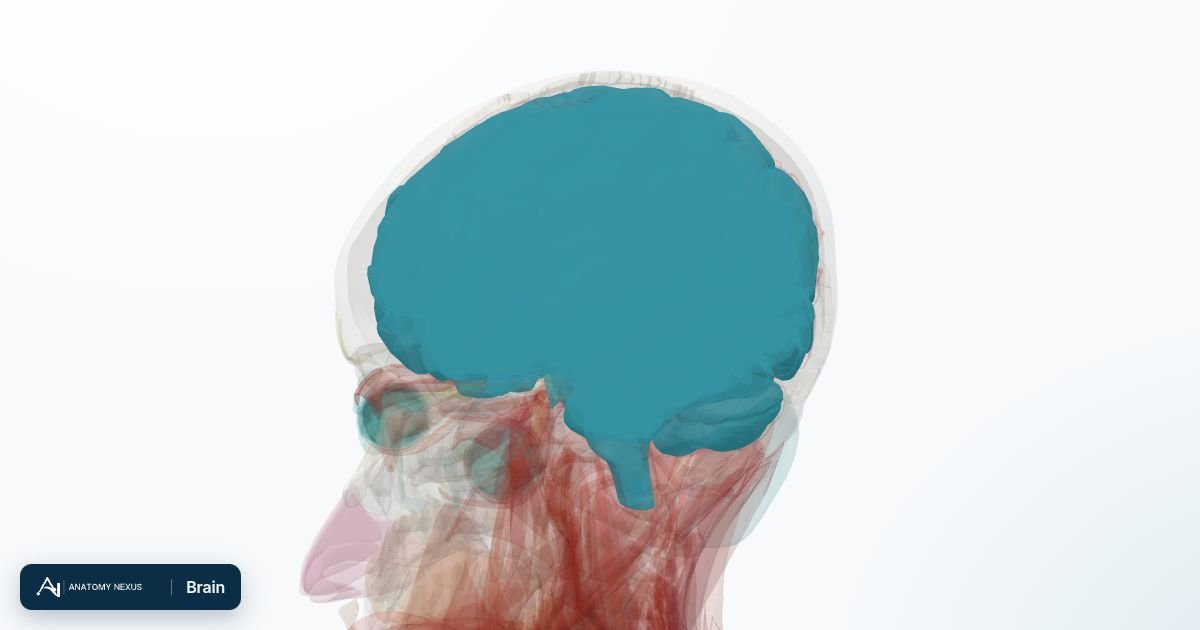
Meningitis is an infection of the protective membranes that surround the brain and spinal cord.
When to seek care
The NHS advises calling 999 or going to the nearest A&E immediately if meningitis or sepsis is suspected, and notes that a rash does not always develop. NHS 111 can advise when it is unclear whether symptoms are serious. UKHSA guidance says close contacts who become unwell should seek medical advice.
Overview
The NHS says meningitis is usually caused by a viral or bacterial infection, and fungi can also be a cause. Viral meningitis is the most common type and the least serious, while bacterial meningitis is the more serious form and needs treatment in hospital. Symptoms can develop suddenly. The NHS gives the same emergency advice for meningitis and sepsis: call 999 or go to A&E. Vaccination is the main way of preventing some causes of meningitis.
Causes
- A viral or bacterial infection is the usual cause.
- Fungi can also cause meningitis, and fungal cases often develop slowly.
- Viral meningitis is the most common type and the least serious.
- Bacterial meningitis is the more serious form.
- The infections spread mainly through very close contact with a person carrying the infection.
Risk factors
- Prolonged close contact with a person who has meningococcal disease in a household-type setting in the 7 days before their illness began.
- UKHSA also counts intimate kissing or equivalent close contact, and exposure to respiratory secretions, as close contact with a case.
Symptoms
What a clinician may find
- A rash that does not fade when a glass is pressed against it is a key warning sign, though not everyone with meningitis has one.
- A stiff neck.
- In babies, a bulging soft spot on the top of the head.
- Cold hands and feet and fast breathing can occur when bacteria enter the bloodstream and cause sepsis.
- Bacterial meningitis may be missed in older adults who have delirium or altered consciousness.
Complications
- Hearing loss or vision loss.
- Seizures.
- Problems with movement, balance and coordination.
- Difficulty with memory and concentration.
- Loss of digits or limbs in some people.
- Sepsis.
Diagnosis
The doctor examines the person, asks about symptoms and may arrange blood tests and a lumbar puncture, which collects a sample of cerebrospinal fluid for examination. A CT scan may be used to look for brain problems such as swelling. When bacterial infection is suspected, antibiotics usually start before the diagnosis is confirmed, and the WHO says a lumbar puncture should never delay them.
Treatment
Treatment depends on whether the cause is viral or bacterial. Bacterial meningitis is treated in hospital, usually for at least a week, with antibiotics and fluids given into a vein and oxygen through a face mask if needed. Steroid medicine may be given in some cases to reduce swelling around the brain. Viral meningitis usually improves on its own within 7 to 10 days and can often be managed at home with rest, painkillers and anti-sickness medicine. Fungal meningitis is treated with antifungal medicine.
Prevention
The NHS describes vaccination as the main way to prevent some causes of meningitis, with MenB for babies, MenACWY for teenagers and the 6-in-1, pneumococcal and MMRV vaccines. Close contacts of someone with meningococcal disease are offered preventive antibiotics.
Key facts
| Fact | Detail |
|---|---|
| Main types | Viral, bacterial and fungal |
| Most serious type | Bacterial meningitis, which needs hospital treatment |
| Emergency route | The NHS advises calling 999 or going to A&E if meningitis or sepsis is suspected |
| Diagnosis may involve | Examination, blood tests and a lumbar puncture |
| Viral meningitis | Usually improves on its own and can often be managed at home |
| Prevention | Vaccination, plus preventive antibiotics for close contacts of meningococcal disease |
What are the symptoms of meningitis?
The NHS says meningitis symptoms can develop suddenly. They include a high temperature, very cold hands and feet, a stiff neck, joint and muscle pain, and a severe headache that keeps getting worse. NHS pages note that early symptoms can resemble flu, a stomach bug or a hangover. A rash that does not fade when a glass is pressed against it is a key warning sign, but a rash does not always develop. The NHS advises calling 999 or going to A&E immediately if meningitis or sepsis is suspected.
Babies and young children can show different signs, such as refusing feeds, a high-pitched cry or a bulging soft spot on the top of the head. The WHO adds that infants often have different symptoms from adults, including unusual drowsiness or inactivity and irritability.
The NICE guideline says a non-blanching rash is mainly associated with meningococcal disease, and that bacterial meningitis should not be ruled out just because a person lacks some of the listed signs. It notes that bacterial meningitis may be missed in older adults with delirium or altered consciousness, and that fever is less common in older adults.
What causes meningitis and how does it spread?
The NHS says meningitis is usually caused by a viral or bacterial infection. Viral meningitis is the most common type and the least serious, while bacterial meningitis is the more serious form. Meningitis Now says fungal meningitis often develops slowly, with vague symptoms such as tiredness and a persistent headache, and the CDC says it typically affects only people with weakened immune systems.
The NHS says the infections that cause meningitis spread mainly through very close contact with a person carrying the infection, even if they have no symptoms. UKHSA guidance on meningococcal disease counts prolonged close contact with the case in a household-type setting during the 7 days before the illness began, intimate kissing or equivalent close contact, and exposure to respiratory secretions. It says sharing a water bottle or toys that may be mouthed is not considered a high-risk way of spreading meningococcal disease.
The WHO notes that some bacteria can enter the bloodstream and quickly cause sepsis, with signs such as cold hands and feet, fast breathing and low blood pressure. It adds that a non-blanching skin rash may appear with meningococcal sepsis.
How is meningitis diagnosed?
NHS material says the doctor examines the person, asks about symptoms and may arrange blood tests and a lumbar puncture. A lumbar puncture collects a sample of cerebrospinal fluid so that it can be examined. A CT scan may be used to look for problems such as swelling.
When a bacterial cause is suspected, NHS material says antibiotics usually start before the diagnosis is confirmed and are stopped later if tests show that a virus is the cause. The WHO says a lumbar puncture should be done before antibiotics where possible, but that when bacterial meningitis is suspected from the signs and symptoms, it should never delay antibiotic treatment.
For people with suspected bacterial meningitis, NICE recommends a bacterial throat swab for meningococcal culture, preferably taken before antibiotics are started. NICE also says blood tests should be taken before antibiotics, and describes taking blood samples, giving antibiotics and stabilising the person before imaging.
How is meningitis treated?
Treatment depends on whether the cause is viral or bacterial. The NHS says bacterial meningitis needs treatment in hospital, usually for at least a week. Hospital care includes antibiotics and fluids given directly into a vein, and oxygen through a face mask if needed. Steroid medicine may be given in some cases to reduce swelling around the brain, and the WHO recommends corticosteroids with the first antibiotic dose in non-epidemic settings.
NICE says a senior clinical decision maker should make sure antibiotics for suspected meningococcal disease start within 1 hour of the person arriving at hospital. It also says transfer to hospital should not be delayed to give antibiotics, and that for strongly suspected meningococcal disease an antibiotic should be given as soon as possible outside hospital unless there is a severe allergy. UKHSA guidance gives rapid admission to hospital as the highest priority when invasive meningococcal disease is suspected.
The NHS says viral meningitis tends to get better on its own within 7 to 10 days. It can often be treated at home with rest, painkillers and anti-sickness medicine. The CDC says fungal meningitis is treated with antifungal medicines.
Can meningitis be prevented?
The NHS says several vaccines offer some protection against meningitis, because it can be caused by a number of different infections. NHS vaccination pages list MenB for babies, MenACWY for teenagers in school year 9 (with a catch-up up to age 25 if missed), and the 6-in-1, pneumococcal and MMRV vaccines. The WHO says vaccines offer the best protection against common types of bacterial meningitis, but that no universal vaccine exists. The NHS adds that MenACWY does not prevent all types, so knowing the symptoms still matters after vaccination.
UKHSA guidance says close contacts of someone with meningococcal disease are offered preventive antibiotics as soon as possible, ideally within 24 hours of the first person's diagnosis, regardless of vaccination status. It says close contacts can attend education and early years settings as normal, and does not advise face masks in those settings to prevent spread.
The guidance adds that contacts who become unwell should seek medical advice. In an emergency the NHS route is 999 or A&E.
What are the after-effects and how does recovery go?
The after-effects of meningitis depend on the cause. Meningitis Now says long-term after-effects of viral meningitis can include headaches, exhaustion and memory loss.
The NHS says bacterial meningitis can cause long-term problems such as hearing or vision loss, seizures, problems with movement and coordination, and problems with memory and concentration. Meningitis Now says amputation of fingers, toes or limbs may be necessary in severe meningococcal septicaemia. The WHO says about one in five people who survive bacterial meningitis may have long-lasting after-effects. Meningitis Research Foundation says most children who have bacterial meningitis or meningococcal sepsis survive without permanent after-effects, while a Great Ormond Street Hospital press release reported that one in three children who had meningococcal group B disease were left with after-effects.
The NHS says prosthetic limbs and rehabilitation support may help if limbs were amputated, and that counselling and psychological support may help if the experience causes problems such as disturbed sleep or fear of doctors and hospitals. Meningitis Research Foundation and Meningitis Now offer information and support.
Frequently asked questions
How are meningitis and sepsis linked?
The NHS gives the same emergency advice for both: call 999 or go to A&E immediately if either is suspected. The WHO notes that some bacteria that cause meningitis can enter the bloodstream and quickly cause sepsis, with signs such as cold hands and feet, fast breathing and low blood pressure, and that a non-blanching rash may appear with meningococcal sepsis.
What is the difference between viral and bacterial meningitis?
The NHS says viral meningitis is the most common type and the least serious, while bacterial meningitis is more serious. Bacterial meningitis needs hospital treatment, usually for at least a week, with antibiotics into a vein. Viral meningitis usually improves on its own within 7 to 10 days and can often be managed at home.
Does everyone with meningitis get a rash?
No. The NHS says a rash that does not fade when a glass is pressed against it is a key warning sign, but a rash does not always develop. The NHS advises calling 999 or going to A&E immediately if meningitis or sepsis is suspected, and NHS pages say a non-fading rash can be a sign of sepsis that needs a 999 call straight away.
Is meningitis contagious?
The NHS says the infections that cause meningitis spread mainly through very close contact with a person carrying the infection. UKHSA says close contacts of a person with meningococcal disease are offered preventive antibiotics, can attend education settings as normal, and should seek medical advice if they become unwell.
What are the long-term effects of meningitis?
It depends on the cause. Meningitis Now says viral meningitis can have long-term after-effects such as headaches, exhaustion and memory loss. The NHS says bacterial meningitis can cause hearing loss, vision loss, seizures or memory and concentration problems. Meningitis Research Foundation says most children who have bacterial meningitis or meningococcal sepsis survive without permanent after-effects.
Connected pages in detail
What each linked page on Anatomy Nexus covers, in a line, for Meningitis.
Conditions
- Sepsis Life-threatening organ dysfunction caused by a dysregulated body response to infection.
Symptoms
- Headache Pain felt anywhere in the head.
- Fever A body temperature of 38 °C (100.4 °F) or more, produced when the hypothalamus raises its set point in response to inflammatory signals.
- Rash Any change in the colour or texture of the skin.
Imaging
- CT scan A rotating X-ray tube and computer build cross-sectional slices of the body in seconds, showing bone, organs.
Guides and news
- Chickenpox, measles and hand, foot and mouth Chickenpox, measles and hand, foot and mouth all cause rashes in children, but their other signs and the advice on getting help differ.
- Lumbar puncture: what happens and what to expect A lumbar puncture uses a needle in the lower back to collect the fluid around the spinal cord, and the pressure of the fluid may also be measured.
- MHRA publishes pneumococcal vaccine factsheet The MHRA has published a factsheet for patients, parents and carers on pneumococcal vaccines, covering how they work and their safety.
- Which travel vaccinations might be needed? The NHS advises getting travel vaccine advice several weeks before departure, as needs depend on the destination.