



Sinusitis
Also known as: sinus infection, rhinosinusitis, acute sinusitis, chronic sinusitis
Sinusitis is inflammation of the sinuses, usually caused by an infection.
When to seek care
An urgent GP appointment or NHS 111 is advised if someone is very unwell, painkillers do not help or symptoms get worse, or the immune system is weakened. A GP appointment is advised if there is no improvement after 7 days of treatment from a pharmacist or GP, none after 3 weeks of self-care, or the problem keeps coming back. Swelling around the eye or face, blood-stained discharge from the nose or changes in vision need prompt medical review, through the GP the same day or NHS 111.
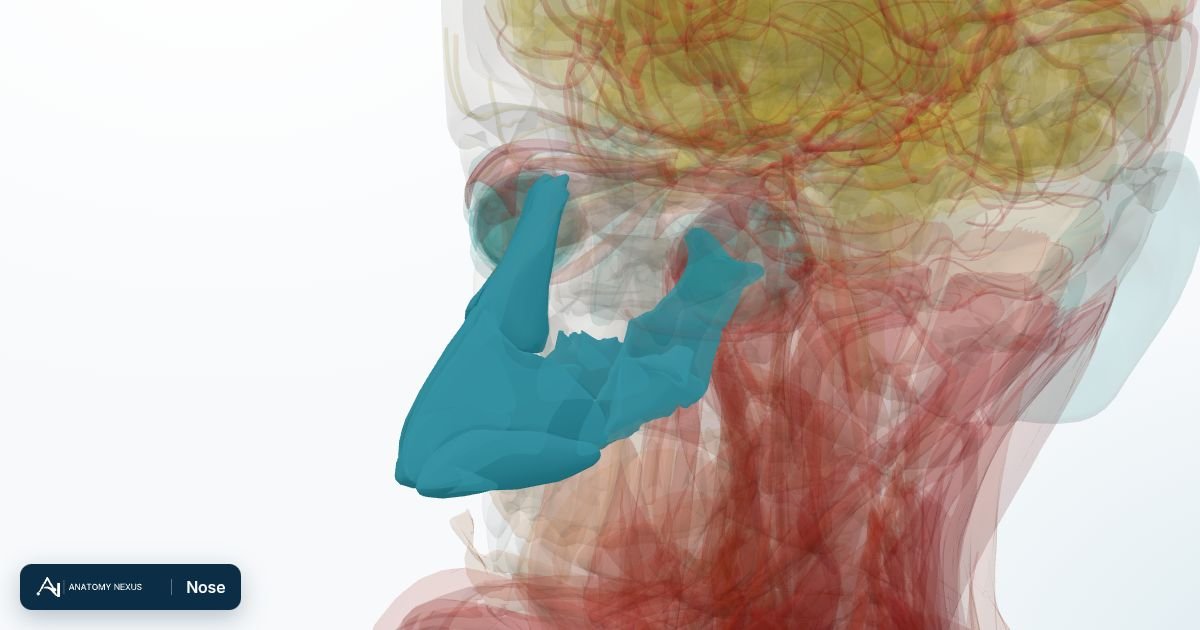
Overview
Sinusitis is inflammation of the sinuses, the air-filled spaces in the bones of the face, and it is usually caused by an infection. It is common and usually clears up on its own within 4 weeks. Most often a cold or flu virus spreads to the sinuses from the upper airways, and only a few cases involve bacteria. Antibiotics are rarely needed.
Causes
- A cold or flu virus spreading to the sinuses from the upper airways is the usual cause.
- Only a few cases involve bacteria.
- Sinusitis can also follow an inflammatory reaction or an infection with a fungus.
- Blocked sinus openings or extra mucus can let germs multiply.
- A deviated nasal septum, a nasal bone spur or nasal polyps may block the openings of the sinuses.
Risk factors
- Allergies, including allergic rhinitis.
- Nasal polyps.
- Smoking.
- A weakened immune system, for example from HIV or chemotherapy.
- Cystic fibrosis.
- Attending day care.
- Large adenoids.
Symptoms
What a clinician may find
- The face may be tender.
- Mucus from the nose may be coloured.
- There may be a fever.
Complications
- Complications are very rare.
- They include an abscess, a bone infection, meningitis and infection of the tissue around the eye.
- Chronic sinusitis can also be linked to a mucocele.
Diagnosis
A GP can usually diagnose sinusitis from the symptoms and by looking inside the nose. Scans or other tests may be used if the diagnosis is unclear. Referral to an ear, nose and throat (ENT) specialist is considered for severe or repeated cases.
Treatment
Most cases clear up on their own, and the NHS suggests rest, plenty of fluids, pain relief such as paracetamol or ibuprofen, and saline nasal rinses. A pharmacist or GP may suggest steroid or antihistamine nasal treatments. NICE advises against offering antibiotics to people who have had symptoms for about 10 days or less. An ear, nose and throat specialist may suggest surgery to improve drainage of the sinuses if symptoms do not improve.
Prevention
The NHS lists avoiding allergy triggers and not smoking among its suggestions.
Key facts
| Fact | Detail |
|---|---|
| Also called | Sinus infection, rhinosinusitis |
| Usual cause | A cold or flu virus spreading to the sinuses |
| Usually diagnosed by | A GP, from the symptoms and a look inside the nose |
| Usual course | Often clears up on its own within 4 weeks |
| Antibiotics | Rarely needed |
| Seek care | Urgent GP appointment or NHS 111 if very unwell or getting worse |
What is sinusitis?
Sinusitis is inflammation of the sinuses, and it is usually caused by an infection. The NHS describes it as common, and it usually clears up on its own within 4 weeks. MedlinePlus explains that sinusitis results from an inflammatory reaction or an infection with a virus, bacteria or a fungus.
Sinusitis that lasts a long time is called chronic sinusitis. One MedlinePlus page describes it as sinus swelling and symptoms lasting longer than 3 months. Another MedlinePlus page describes it as lasting more than 12 weeks and says it can continue for months or even years. MedlinePlus says the symptoms of chronic sinusitis tend to be milder but last longer than those of a short infection. MedlinePlus lists nasal stuffiness and discharge, a cough that is often worse at night, postnasal drip, facial pressure or pain, headache and tiredness as symptoms of chronic sinusitis.
What are the symptoms of sinusitis?
The NHS lists pain and tenderness in the face, a blocked or runny nose and a reduced sense of smell as main symptoms. Coloured mucus from the nose and a fever are also listed. Headache, toothache and bad breath are also listed. In young children, irritability and trouble feeding can appear.
MedlinePlus lists pressure or pain in the face, a stuffy nose with discharge, cough, fever and headache. It also lists mucus running down the back of the throat, known as postnasal drip. A GP can usually diagnose sinusitis from these symptoms, together with a look inside the nose. MedlinePlus advises contacting a health care provider, such as a GP, if symptoms last beyond 10 to 14 days or if a fever develops.
What causes sinusitis?
The NHS says a cold or flu virus spreading to the sinuses from the upper airways is the usual cause. Only a few cases involve bacteria. MedlinePlus says blocked sinus openings or extra mucus can let germs multiply. A deviated nasal septum, a nasal bone spur or nasal polyps may block the openings of the sinuses. It adds that an inflammatory reaction, and not only an infection, can lead to sinusitis.
Several things are linked to a higher chance of sinusitis. The NHS lists allergies, nasal polyps, smoking and a weakened immune system. MedlinePlus adds allergic rhinitis, cystic fibrosis, attending day care and large adenoids. It gives HIV and chemotherapy as reasons for a weakened immune system. The CDC adds a previous cold, seasonal allergies, secondhand smoke and nasal polyps.
How is sinusitis diagnosed and treated?
A GP can usually diagnose sinusitis from the symptoms and by looking inside the nose. Scans or other tests may be used if the diagnosis is unclear. Referral to an ear, nose and throat specialist is considered for severe or repeated cases.
For self-care, the NHS suggests rest, plenty of fluids, pain relief and saline nasal rinses. It also suggests avoiding allergy triggers and not smoking. The NHS says pharmacists can offer the same treatments as a GP for sinusitis. A pharmacist or GP may suggest steroid or antihistamine nasal treatments, and steroid nasal sprays or drops are used to reduce swelling in the sinuses.
NICE guideline NG79 covers antibiotic prescribing for acute sinusitis. For people with symptoms for about 10 days or less, it advises against offering an antibiotic. For longer symptoms with no improvement, it describes options that include a nasal corticosteroid, no antibiotic or a back-up prescription, depending on how likely a bacterial cause is. Antibiotics are offered straight away to people who are very unwell, show signs of a more serious illness or have other health conditions. An ear, nose and throat specialist may suggest surgery to improve drainage of the sinuses if symptoms do not improve.
When should you get medical help for sinusitis?
The NHS advises an urgent GP appointment or a call to NHS 111 if someone is very unwell, painkillers do not help or symptoms get worse, or the immune system is weakened. A GP appointment is advised if there is no improvement after 7 days of treatment from a pharmacist or GP, none after 3 weeks of self-care, or the problem keeps coming back. A GP may refer someone to an ENT specialist if symptoms persist after 3 months of treatment, if it keeps coming back, or if only one side of the face is affected.
Complications are very rare, according to MedlinePlus. It lists an abscess, a bone infection, meningitis and infection of the tissue around the eye. Swelling around the eye or face, blood-stained discharge from the nose or changes in vision need prompt medical review, through the GP the same day or NHS 111. NICE says people with signs of a serious complication should be referred to hospital.
Frequently asked questions
How long does sinusitis last?
The NHS says sinusitis is common and usually clears up on its own within 4 weeks. It advises a GP appointment if there is no improvement after 3 weeks of self-care or after 7 days of treatment from a pharmacist or GP. Chronic sinusitis is described by MedlinePlus as lasting longer than 3 months.
Do I need antibiotics for sinusitis?
Antibiotics are rarely needed, according to the NHS. This is because a virus is the usual cause, and only a few cases involve bacteria. NICE advises against offering them to people with symptoms for about 10 days or less. A clinician may still offer them to someone who is very unwell or has other health conditions.
What can help with the symptoms at home?
The NHS suggests rest, plenty of fluids, pain relief and saline nasal rinses. It also suggests avoiding allergy triggers and not smoking. The NHS says pharmacists can offer the same treatments as a GP for sinusitis, and a pharmacist or GP may suggest steroid or antihistamine nasal treatments.
What are the possible complications?
MedlinePlus calls complications of sinusitis very rare. It lists an abscess, a bone infection, meningitis and infection of the tissue around the eye. Swelling around the eye or face needs prompt medical review, through the GP the same day or NHS 111.
When might a specialist be involved?
A GP may refer someone to an ear, nose and throat specialist if symptoms persist after 3 months of treatment. Referral is also considered if the problem keeps coming back or affects only one side of the face. A specialist may suggest surgery to improve drainage of the sinuses if symptoms do not improve.
Connected pages in detail
What each linked page on Anatomy Nexus covers, in a line, for Sinusitis.
Symptoms
- Headache Pain felt anywhere in the head.
- Fever A body temperature of 38 °C (100.4 °F) or more, produced when the hypothalamus raises its set point in response to inflammatory signals.
- Cough A reflex blast of air that clears the airways of mucus, irritants and foreign material.
Medications
- Paracetamol The first-line painkiller and fever reducer for most people (acetaminophen in North America).
- Ibuprofen A non-steroidal anti-inflammatory (NSAID) that eases pain, inflammation and fever by blocking prostaglandin production.