



Vitamin B12 and folate deficiency anaemia
Also known as: B12 deficiency anaemia, folate deficiency anaemia, megaloblastic anaemia
A lack of vitamin B12 or folate that affects the body's ability to make fully working red blood cells.
When to seek care
A routine GP appointment is the usual route for symptoms of anaemia, such as tiredness, breathlessness or a sore tongue. Numbness, tingling, balance problems or memory changes should be raised with the GP promptly, and the GP may refer to a haematologist when the nervous system seems affected. Severe breathlessness or chest pain is an emergency, and the route is to call 999.
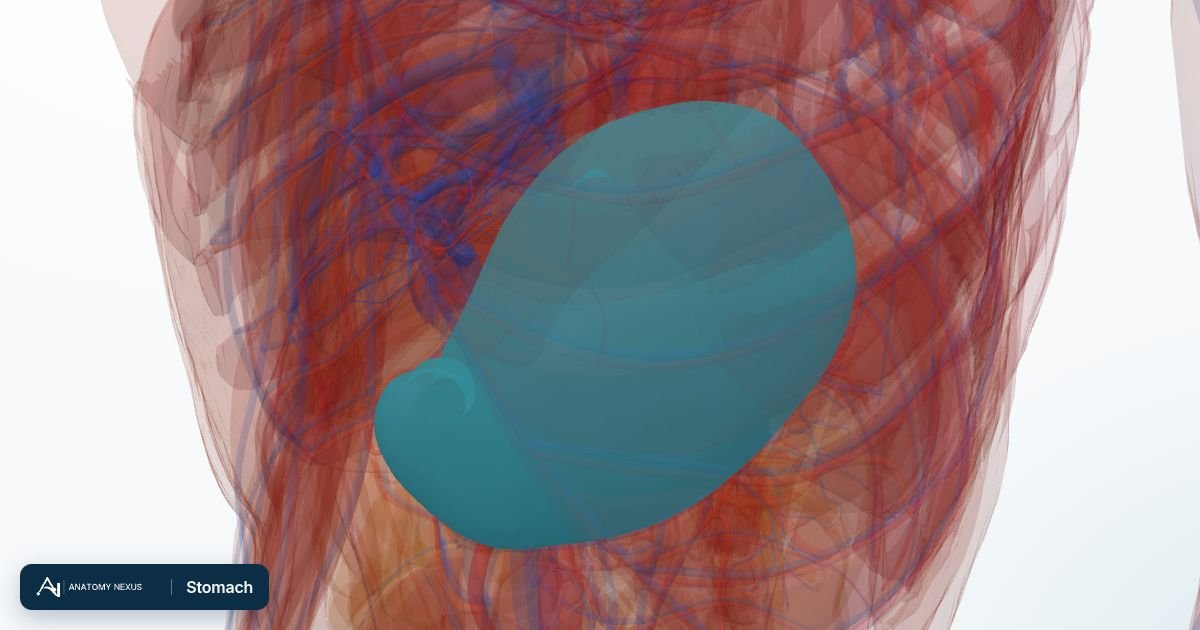
Overview
Vitamin B12 or folate deficiency anaemia happens when a lack of either vitamin affects how the body produces healthy red blood cells. The red blood cells are usually larger than normal, a pattern known as megaloblastic anaemia. Symptoms usually develop gradually and can get worse if the condition is not treated. A lack of vitamin B12 can also affect the brain and nervous system, and some of these effects can happen even when there is no anaemia. Treatment usually replaces the missing vitamin, and the cause is looked into as well.
Causes
- Pernicious anaemia, an autoimmune condition in which the immune system attacks stomach cells and stops vitamin B12 being absorbed, is the most common cause of vitamin B12 deficiency in the UK
- A diet that rarely includes meat, fish or dairy foods can lead to vitamin B12 deficiency
- Bowel conditions such as Crohn's disease can reduce vitamin B12 absorption
- Some medicines, including proton pump inhibitors and metformin, can contribute to vitamin B12 deficiency
- Folate deficiency can come from pregnancy, heavy regular drinking of alcohol, or some medicines
Risk factors
- Having pernicious anaemia
- Rarely eating meat, fish or dairy foods
- Crohn's disease
- Pregnancy, which can cause folate deficiency
- Regularly drinking a lot of alcohol
- Taking some medicines, such as proton pump inhibitors, metformin or certain anticonvulsants
Symptoms
What a clinician may find
- Larger than normal red blood cells on blood testing
- Sore or red tongue, sometimes with mouth ulcers
Complications
- Nervous system problems from vitamin B12 deficiency, including vision problems, memory loss, pins and needles and loss of co-ordination, some of which can sometimes be irreversible
- Low folate in pregnancy is linked with a higher risk of neural tube defects such as spina bifida, and with premature birth or low birth weight
- Temporary infertility
- Heart failure in adults with severe anaemia
- A higher risk of stomach cancer in people with pernicious anaemia
Diagnosis
A GP can often make the diagnosis from the symptoms and blood test results. A blood test of total or active vitamin B12 is usually the first test, and a single blood test can be enough to support the diagnosis, although some people need further tests. If autoimmune gastritis is suspected, an anti-intrinsic factor antibody test may be considered. Coeliac disease blood tests may be offered if the cause of the deficiency is unclear. The GP checks vitamin B12 before folic acid treatment starts.
Treatment
Vitamin B12 deficiency anaemia is usually treated with injections of vitamin B12 called hydroxocobalamin. Later treatment may be tablets or continuing injections, depending on the cause. Folate deficiency is usually treated with folic acid tablets to build up folate levels. If the underlying cause of folate deficiency continues, folic acid may be needed for longer. Improving the diet can help treat the condition and prevent it coming back in some cases.
Prevention
Eating foods that contain vitamin B12, such as meat, fish, eggs, dairy products and fortified foods, and folate, such as green vegetables like broccoli, Brussels sprouts and peas, can help prevent a lack of either vitamin. The NHS notes that when vitamin B12 deficiency is not caused by diet, injections are usually needed long term.
Key facts
| Fact | Detail |
|---|---|
| Also called | B12 deficiency anaemia, folate deficiency anaemia, megaloblastic anaemia |
| What happens | Lack of either vitamin affects the body's ability to make fully working red blood cells |
| Main cause of B12 deficiency in the UK | Pernicious anaemia, an autoimmune condition |
| Usually diagnosed by | A GP, from symptoms and blood tests |
| Usual treatment | B12 injections or folic acid tablets, depending on the vitamin lacking |
| Nerve effects | B12 deficiency can affect the nerves and brain, sometimes without anaemia |
What are the symptoms of vitamin B12 or folate deficiency anaemia?
The NHS says these anaemias usually develop gradually, but they can get worse if they are not treated. General symptoms include tiredness and low energy, shortness of breath or rapid breathing, headaches, palpitations, indigestion, loss of appetite and diarrhoea. Some people notice problems with their vision, or a sore or red tongue that sometimes comes with mouth ulcers.
Vitamin B12 deficiency can also affect the nerves and brain. Possible effects include numbness, pins and needles, muscle weakness, balance and coordination problems, and mood changes ranging from mild depression or anxiety to confusion. The NHS notes that some of these symptoms can occur with a vitamin B12 or folate deficiency even when there is no anaemia.
NHS inform adds that folate deficiency can bring a reduced sense of taste, as well as numbness and tingling in the hands and feet.
What causes vitamin B12 or folate deficiency?
The NHS describes pernicious anaemia as the most common cause of vitamin B12 deficiency in the UK. In pernicious anaemia the immune system attacks healthy cells in the stomach, so the body cannot absorb vitamin B12 from food. Diet matters too: meat, fish and dairy foods usually provide enough vitamin B12, but people who rarely eat them can become deficient.
Bowel conditions such as Crohn's disease can also reduce the amount of vitamin B12 the body takes in. Folate deficiency can be linked to pregnancy, because the body needs more, and to regularly drinking a lot of alcohol. The NHS names proton pump inhibitors, metformin and nitrous oxide as medicines or substances linked to low vitamin B12.
It names some anticonvulsants, colestyramine, sulfasalazine and methotrexate as medicines linked to low folate.
How is vitamin B12 or folate deficiency anaemia diagnosed?
A GP can often diagnose the condition from the symptoms and the results of blood tests. NICE guidance on vitamin B12 deficiency says a total vitamin B12 or an active vitamin B12 blood test is the usual first test, and a single blood test can be enough to support the diagnosis, although some people need further tests. The NHS notes that some symptoms of vitamin B12 deficiency can occur even when there is no anaemia.
If autoimmune gastritis is suspected, NICE says an anti-intrinsic factor antibody test should be considered. Where problems absorbing the vitamin are confirmed or suspected, NICE says treatment with injections can start without waiting for that result. If autoimmune gastritis is still suspected after a negative result, NICE recommends further investigations, such as an anti-gastric parietal cell antibody test. NICE also says to offer coeliac disease blood tests where the cause of the deficiency is unclear.
The NHS says symptoms suggesting that the nervous system has been affected can lead to referral to a haematologist, a blood specialist.
How is it treated?
Vitamin B12 deficiency anaemia is usually treated with injections of vitamin B12, called hydroxocobalamin. After the first stage, the plan depends on the cause, and treatment may be tablets or continuing injections. NICE says the choice between injections and tablets depends on the cause of the deficiency. The NHS adds that when the deficiency is not caused by diet, injections are usually needed long term.
Folate deficiency is usually treated with folic acid tablets, which build up folate levels, and the NHS says they usually need to be taken for about 4 months. The NHS says the GP will check vitamin B12 levels before folic acid is started, because folic acid can improve symptoms enough to mask an underlying vitamin B12 deficiency. If the cause of folate deficiency continues, folic acid may be needed for longer, possibly for life.
Improving the diet can help treat the condition and prevent it coming back in some cases.
What complications can it cause?
The NHS describes complications as rare, because the condition can usually be treated easily and effectively. Vitamin B12 deficiency can cause vision problems, memory loss, pins and needles and loss of physical co-ordination, and some of this damage can sometimes be irreversible. Low folate in pregnancy is linked with a higher risk of neural tube defects such as spina bifida, and may raise the risk of premature birth or low birth weight.
Vitamin B12 deficiency can sometimes cause temporary infertility. Adults with severe anaemia are at risk of developing heart failure, and the NHS notes that anaemia of any cause can lead to heart and lung complications because the heart struggles to pump oxygen to the vital organs. People with vitamin B12 deficiency caused by pernicious anaemia have an increased risk of stomach cancer.
When should you see a doctor?
Symptoms of anaemia, such as tiredness, breathlessness or a sore tongue, are a reason to contact a GP practice, and a routine appointment is the usual route. The NHS says these anaemias usually develop gradually but can get worse if they are not treated, and that some symptoms of vitamin B12 deficiency can occur even when there is no anaemia. A GP can often diagnose the condition from the symptoms and the results of blood tests.
Numbness, tingling, balance problems or memory changes are worth raising with the GP promptly, because the nervous system can be affected. The GP may then refer to a haematologist.
Severe breathlessness or chest pain is an emergency, and the route is to call 999.
Frequently asked questions
Is pernicious anaemia the same as vitamin B12 deficiency?
Pernicious anaemia is an autoimmune cause of vitamin B12 deficiency, not another name for it. The immune system attacks healthy cells in the stomach, so vitamin B12 from food cannot be absorbed. The NHS describes it as the most common cause of vitamin B12 deficiency in the UK, while diet and bowel conditions such as Crohn's disease are other causes.
Can a vitamin B12 deficiency be treated with folic acid alone?
The NHS says the GP checks vitamin B12 levels before folic acid is started. Folic acid can improve symptoms so much that it hides an underlying vitamin B12 deficiency, which is why the vitamin B12 level is checked first. The two vitamins are therefore considered together.
Can vitamin B12 deficiency affect the nerves?
Yes. The NHS lists numbness, pins and needles, muscle weakness, balance and coordination problems and mood changes among the effects of vitamin B12 deficiency. Some of the nerve damage can sometimes be irreversible. A GP may refer to a haematologist when symptoms suggest the nervous system has been affected.
Is vitamin B12 deficiency anaemia permanent?
It depends on the cause. The NHS says that in some cases improving the diet can help treat the condition and prevent it coming back. If the cause is not diet, treatment with vitamin B12 injections may need to continue, and folic acid may be needed for longer if the cause of folate deficiency continues.
Why does folate matter in pregnancy?
The NHS says folate deficiency can be linked to pregnancy, because the body needs more of the vitamin. Low folate in pregnancy is linked with a higher risk of neural tube defects such as spina bifida, and may raise the risk of premature birth or low birth weight. A midwife or GP is the usual route for questions about folate in pregnancy.
Connected pages in detail
What each linked page on Anatomy Nexus covers, in a line, for Vitamin B12 and folate deficiency anaemia.
Conditions
- Anaemia A haemoglobin concentration below normal (roughly under 130 g/L in men and 120 g/L in women), reducing the blood's capacity to carry oxygen.
Symptoms
- Fatigue Persistent tiredness that rest does not fix.
- Shortness of breath The sensation of not getting enough air.
- Headache Pain felt anywhere in the head.
- Numbness Reduced or absent feeling in part of the body.
- Tingling (pins and needles) Prickling, buzzing or crawling sensations without an outside cause, produced when sensory nerves fire abnormally.
- Weakness Loss of muscle power, distinct from tiredness or heaviness.
Medical tests
- Vitamin B12 and folate Two blood tests, usually ordered together, for the vitamins the bone marrow needs to make normal red cells and the nervous system needs to keep…
- Full blood count The most commonly ordered blood test: an automated count of the red cells, white cells and platelets in a small sample.