



Gliclazide
Gliclazide is a sulfonylurea tablet prescribed for type 2 diabetes that prompts the pancreas to make more insulin. Low blood sugar (a hypo) is a common side effect, and NHS diabetes guidance says to call 999 if a person with a hypo is unconscious, does not begin to regain consciousness or has a seizure. The NHS says it is not usually used in pregnancy.
- Generic name
- Gliclazide
- Active ingredient
- Gliclazide
- Product type
- Small-molecule medicine
- Drug class
- Sulfonylureas
- Brand names
- UK Diamicron, Diamicron MR
- Routes
- Oral
- Dosage forms
- Tablet, Extended-release (modified-release) tablet
- Monitoring
- A UK formulary guide says HbA1c shows overall diabetes control but cannot show day-to-day swings in blood glucose or hypoglycaemia. NICE advises considering short-term self-monitoring of blood glucose in type 2 diabetes when starting corticosteroids or to confirm suspected hypoglycaemia.
Availability by country
| Country | Status | Note | Source |
|---|---|---|---|
| UK | Prescription only | UK |
Legal status differs between countries and can change; each row cites the document it was taken from and applies only to the country named.
What it is used for
- Type 2 diabetes
How it works in the body
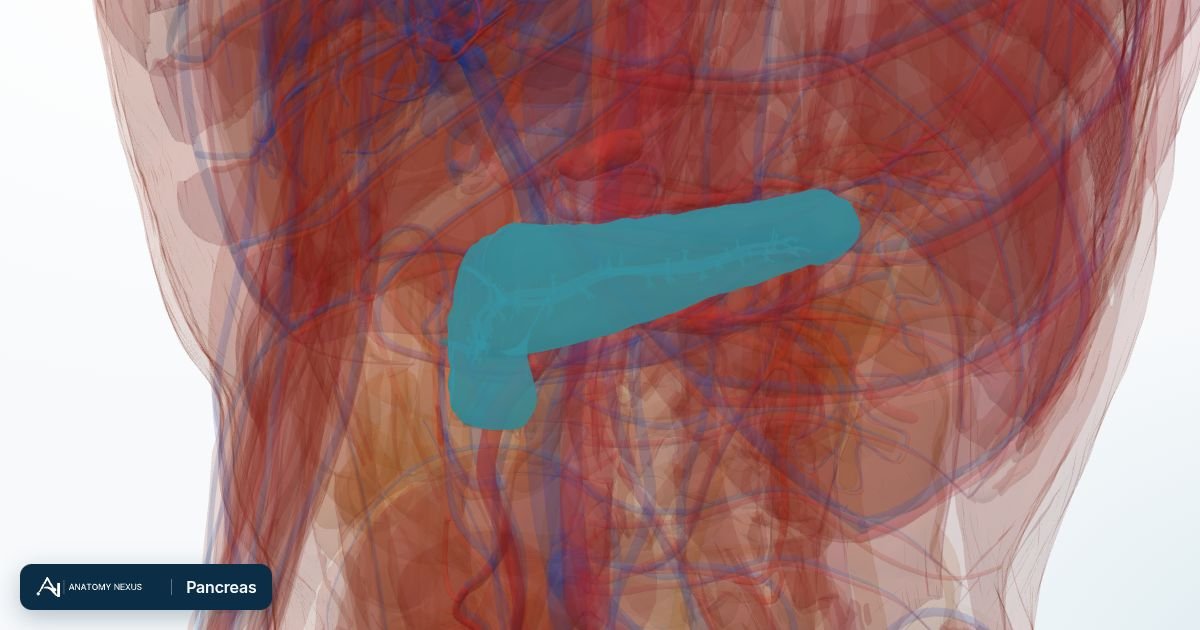
Gliclazide prompts the pancreas to make more insulin. A UK formulary guide says it directly stimulates insulin release, so it has the potential to cause hypoglycaemia.
Common side effects
- Tummy ache, sickness and diarrhoea, according to Diabetes UK; the NHS says taking the tablets with a meal can make side effects less likely
- Low blood sugar (a hypo): the NHS lists dizziness, feeling sick, being very hungry or very tired as symptoms, and describes eating or drinking something sugary as the usual response
- Some people gain weight while taking a sulphonylurea, according to Diabetes UK
Serious: seek help
- Low blood sugar with unconsciousness, no return to consciousness or signs of a seizure: NHS diabetes guidance says to call 999 straight away, and nothing is given by mouth to an unconscious person; if sugary food or drink does not help or symptoms return, the NHS says to call a doctor or NHS 111
- Signs of a serious allergic reaction (anaphylaxis), such as a swollen throat or tongue, a raised itchy rash or difficulty breathing: the NHS says to call 999
- Possible blood cell problems (paleness, unusual bleeding or bruising, sore throat, fever) or liver problems (yellowing of the skin or whites of the eyes): the NHS says to call NHS 111 for other serious side effects
- Taking more than the prescribed amount: the NHS says to call NHS 111
Cautions and interactions
- Not usually used in pregnancy, and advised against during breastfeeding, according to the NHS; a doctor may offer a different medicine
- The NHS lists type 1 diabetes, a past allergic reaction, diabetic ketoacidosis, severe kidney or liver disease, porphyria and G6PD deficiency among the reasons it may not be suitable
- Alcohol: the NHS says it can be drunk but more alcohol can raise the risk of low blood sugar, while UK manufacturer leaflets say drinking alcohol is not recommended
- Driving: the NHS says not to drive while sleepy or dizzy from gliclazide; Diabetes UK says sulphonylureas can increase the risk of hypos while driving; the DVLA says severe hypoglycaemia while driving means stopping driving and notifying the DVLA
- Other medicines: the NHS says some antibiotics and antifungals, NSAID painkillers such as ibuprofen and aspirin, and other diabetes medicines can affect blood sugar, St John's wort should not be taken, and a pharmacist or doctor should be asked about any other medicine; UK prescribing information lists miconazole as a contraindicated combination
- The doctor is told before an operation, because gliclazide increases the risk of low blood sugar during surgery, according to the NHS
Interactions
Check interactions
Taking Gliclazide with other medicines? Add them to the checker to see what the official sources say about each pair: the mechanism, general management and monitoring, never a bare "safe".
Interactions documented in the official sources cited on each card. The list covers the medicines represented on this site and is not exhaustive; how the interaction data is compiled.
No pair records for this medicine are in the sources currently represented by Anatomy Nexus. Absence from this list does not mean no interaction exists.
Same-class and related medicines
Same class: Sulfonylureas
Medicines that share the class of Gliclazide. They are separate medicines with their own licences, doses and interactions, not alternative names for Gliclazide.
Related medicines
Medicines often discussed alongside Gliclazide: used together, compared with it, or acting on the same problem by a different route.
Key facts
| Fact | Detail |
|---|---|
| Group | Sulfonylureas |
| Used for | Type 2 diabetes |
| Forms | Standard tablets and slow-release tablets |
| Main risk | Low blood sugar (a hypo) |
| Emergency route | 999 if a person with a hypo is unconscious, does not regain consciousness or has a seizure; a doctor or NHS 111 if sugary food or drink does not help; NHS 111 after taking more than prescribed |
What is gliclazide used for?
Gliclazide is a medicine for type 2 diabetes that belongs to a group called sulfonylureas. In type 2 diabetes the body does not make or use insulin well enough, so sugar builds up in the blood. Diabetes UK says gliclazide comes as standard-release or slow-release tablets. Diabetes UK describes gliclazide as one of four sulphonylureas that people with type 2 diabetes in the UK can be prescribed. The NHS says most adults and children aged 12 years and over can take it, but it is not suitable for everyone. The NHS lists type 1 diabetes, a past allergic reaction, diabetic ketoacidosis, severe kidney or liver disease, porphyria and G6PD deficiency among the reasons it may not be suitable.
How does gliclazide work?
Gliclazide works by prompting the pancreas to make more insulin. Insulin is a hormone made in the pancreas that helps move sugar from the blood into the body's cells. A UK formulary guide says gliclazide directly stimulates insulin release, so it has the potential to cause hypoglycaemia.
What are the side effects of gliclazide?
Diabetes UK lists tummy ache, sickness and diarrhoea among the common effects of sulphonylureas. The NHS says side effects can be less likely if the tablets are taken with a meal. Diabetes UK says some people gain weight while taking a sulphonylurea. Diabetes UK says rarer effects of sulphonylureas include liver damage and low blood cell counts. The NHS lists three rarer, serious problems: an allergic reaction (anaphylaxis), a problem with the blood cells and problems with the liver. Warning signs of a blood cell problem include paleness, unusual bleeding or bruising, a sore throat and fever, and a liver problem can turn the skin or the whites of the eyes yellow. The NHS says to call 999 for a suspected anaphylaxis, with signs such as a swollen throat or tongue, a raised itchy rash or difficulty breathing. For other suspected serious side effects the NHS says to call NHS 111.
Low blood sugar, driving and alcohol
Low blood sugar, called hypoglycaemia or a hypo, is a common side effect of gliclazide. The NHS says it can cause dizziness, feeling sick, being very hungry or being very tired. Diabetes UK says hypos are more likely when a meal is missed, after strenuous exercise or after drinking alcohol. The usual response the NHS describes is to eat or drink something sugary to raise blood sugar quickly. The NHS says to call a doctor or NHS 111 if the sugary food or drink does not help or the symptoms return. If a person with a hypo becomes unconscious, does not begin to regain consciousness, or shows signs of a seizure, NHS diabetes guidance says to call 999 straight away. NHS hospital guidance says nothing is given by mouth to someone who is unconscious or fitting, because of the risk of choking. The NHS says a person who has taken more than the prescribed amount of gliclazide should call NHS 111. The NHS says that if gliclazide makes a person feel sleepy or dizzy, they should not drive until the symptoms pass. Diabetes UK says sulphonylureas can increase the risk of hypos while driving. DVLA guidance says a driver who has an episode of severe hypoglycaemia while driving must stop driving and tell the DVLA, and it defines severe as needing another person's help. The NHS says alcohol can be drunk with gliclazide but more alcohol can raise the risk of low blood sugar, while UK manufacturer leaflets say drinking alcohol is not recommended because it can alter diabetes control.
Who needs extra care, and what is checked?
The NHS says gliclazide is not usually used in pregnancy, and a doctor may offer a different medicine. The NHS also advises against it during breastfeeding. The NHS says some antibiotics and antifungals, steroid tablets, NSAID painkillers and other diabetes medicines can cause low blood sugar when taken with gliclazide. The NHS says ibuprofen and aspirin should be checked with a pharmacist or doctor first, because they can lower blood sugar too much. The NHS says St John's wort should not be taken, because it may change how the body processes gliclazide. The NHS advises checking with a pharmacist or doctor before combining gliclazide with any medicine, herbal remedy, vitamin or supplement. UK prescribing information lists miconazole, an antifungal, as a contraindicated combination because it increases the blood-sugar-lowering effect. The NHS says to tell the doctor before an operation, because gliclazide increases the risk of low blood sugar during surgery. A UK formulary guide says HbA1c shows overall diabetes control but cannot show day-to-day swings in blood glucose or hypoglycaemia. NICE advises considering short-term self-monitoring of blood glucose in adults with type 2 diabetes when starting corticosteroids or to confirm suspected hypoglycaemia. NICE sets a different HbA1c aim for adults taking a drug associated with hypoglycaemia.
Frequently asked questions
Can alcohol be drunk with gliclazide?
The NHS says alcohol can be drunk with gliclazide, but more alcohol can raise the risk of low blood sugar. UK manufacturer leaflets say drinking alcohol is not recommended because it can alter diabetes control.
What happens if blood sugar drops too low?
Low blood sugar is called a hypo, and the NHS says the usual response is to eat or drink something sugary. The NHS says to call a doctor or NHS 111 if sugary food or drink does not help or the symptoms return. If the person becomes unconscious, does not begin to regain consciousness, or has signs of a seizure, NHS diabetes guidance says to call 999 straight away.
Can gliclazide be used in pregnancy?
The NHS says gliclazide is not usually used in pregnancy, and a doctor may offer a different medicine. The NHS also advises against it during breastfeeding.
Does gliclazide affect driving?
The NHS says that if gliclazide makes a person feel sleepy or dizzy, they should not drive until the symptoms pass. The DVLA says a driver who has an episode of severe hypoglycaemia while driving must stop driving and tell the DVLA.
Connected pages in detail
What each linked page on Anatomy Nexus covers, in a line, for Gliclazide.
Conditions
- Type 2 diabetes A metabolic disease in which the body's cells respond poorly to insulin (insulin resistance) and the pancreas gradually fails to compensate.
Medical tests
- Blood glucose The concentration of glucose in blood, measured from a vein or a fingerprick.
- HbA1c The fraction of haemoglobin that has glucose stuck to it.
- Kidney function tests Creatinine and urea are waste products the kidneys should clear; how much builds up in blood shows how well they are filtering.
Medications
- Metformin The first-line tablet for type 2 diabetes: it reduces the glucose the liver releases and improves the body's response to insulin.
Drug classes
- Sulfonylureas Sulfonylureas are tablets for type 2 diabetes that prompt the pancreas to make more insulin.