



Sumatriptan
Also known as: sumatriptan succinate
Sumatriptan is a medicine used to treat migraines and cluster headaches once an attack has begun, and it does not stop migraines from starting. The NHS lists heart problems among the reasons it may not suit someone, and says a heart attack is a rare serious side effect that needs a 999 call.
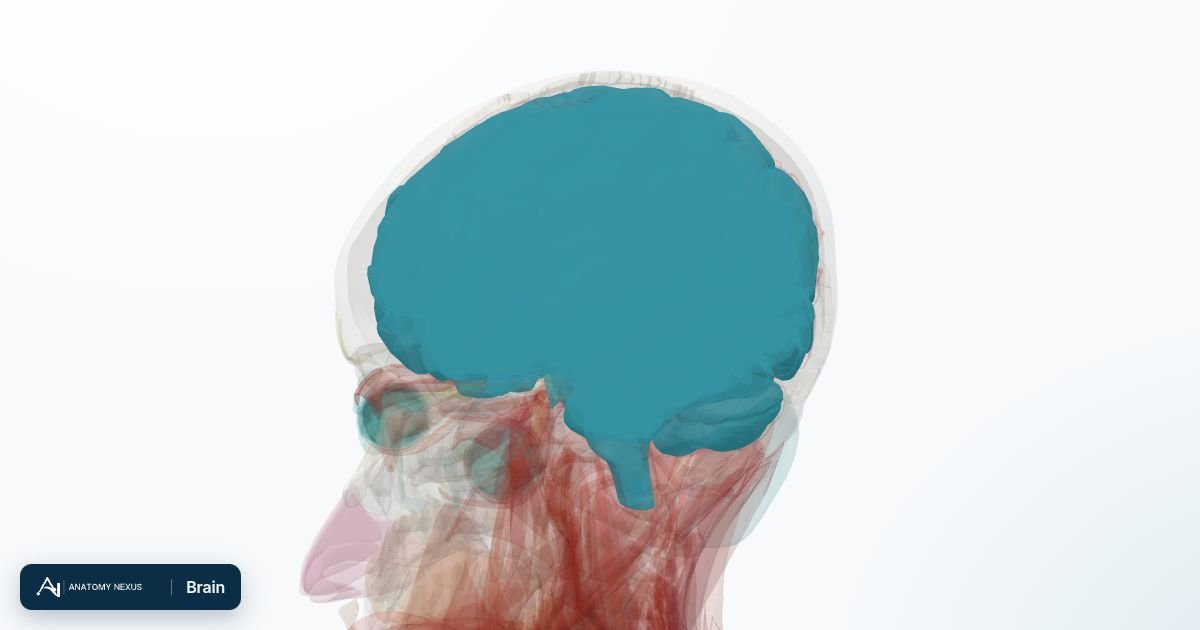
- Generic name
- Sumatriptan
- Active ingredient
- Sumatriptan (variants: sumatriptan succinate)
- Product type
- Small-molecule medicine
- Drug class
- Triptans
- Brand names
- UK Imigran, Boots Migraine Relief
- Routes
- Oral, Intranasal, Subcutaneous
- Dosage forms
- Tablet, Spray, Injection
- Also known as
- sumatriptan succinate
- Monitoring
- The sources used for this page do not describe routine blood tests for sumatriptan. The NHS says using sumatriptan too often can cause medication overuse headaches, and to see a doctor if you are worried about this.
Availability by country
| Country | Status | Note | Source |
|---|---|---|---|
| UK | Prescription only | Other tablet packs, the nasal spray and the injection need a prescription | UK |
| UK | Pharmacy or behind the counter | A small pack of tablets can be bought from a pharmacy by people who have already been diagnosed with migraine | UK |
Legal status differs between countries and can change; each row cites the document it was taken from and applies only to the country named.
What it is used for
- Treating migraine attacks.
- Treating cluster headaches.
How it works in the body
Migraine symptoms may be caused by a temporary widening of blood vessels in the head. The NHS says sumatriptan narrows the blood vessels in the brain that are thought to widen during an attack. It treats an attack that has begun and does not prevent migraines from starting. Sumatriptan belongs to the triptan group of migraine medicines.
Common side effects
- The NHS lists feeling or being sick, dizziness, feeling sleepy and flushing among the common side effects.
- The NHS says many people have no side effects or only minor ones.
- The nasal spray can cause nosebleeds and throat irritation, and the injection can cause bruising where it goes in.
- The NHS says that if sumatriptan makes someone feel very dizzy or tired, they should avoid driving until they feel better.
Serious: seek help
- Anaphylaxis (a severe allergic reaction) and a heart attack are listed by the NHS among serious side effects, and the NHS says to call 999 for an ambulance in these emergencies.
- The NHS says to call 999 if you think you might be having a heart attack while taking sumatriptan.
- The NHS says confusion, muscle twitching, a high temperature or a fast heartbeat can be signs of serotonin syndrome, which needs a doctor to review it straight away.
- For other serious side effects the NHS advises calling NHS 111.
Cautions and interactions
- The NHS lists heart problems, including a previous heart attack, among the reasons sumatriptan may not be suitable.
- Circulation problems in the legs, a past stroke or transient ischaemic attack (TIA), liver disease and seizures are also listed by the NHS as reasons for caution.
- Most adults up to the age of 65 can take sumatriptan, and older adults sometimes can if a doctor prescribes it.
- NHS pages differ on children: one says a specialist may sometimes prescribe sumatriptan for a child aged 6 or over, and another says the nasal spray is sometimes prescribed from age 12.
- The NHS says taking too much can narrow blood vessels and lead to heart problems such as chest pain, an abnormal heart rhythm or a heart attack.
- The NHS asks people to tell the prescriber about other migraine or headache medicines such as ergotamine or other triptans, and about antidepressants.
- Using it with some antidepressants can cause serotonin syndrome, and a UK leaflet states that taking it with a monoamine oxidase inhibitor (MAOI) antidepressant is not allowed.
- St John's wort can raise the risk of serotonin syndrome, and the NHS advises against taking it with sumatriptan.
- The NHS says there is not enough information to know how other herbal remedies, vitamins and supplements affect sumatriptan.
- A UK leaflet says using sumatriptan too often may cause or worsen headaches, including when other painkillers are also needed regularly for migraine.
- The NHS pregnancy page says sumatriptan is not thought to harm a developing baby, but the research is not conclusive, so other NHS pages advise asking a doctor first.
- NHS pages give different advice on breastfeeding, so it is worth asking a pharmacist or doctor.
Interactions
Check interactions
Taking Sumatriptan with other medicines? Add them to the checker to see what the official sources say about each pair: the mechanism, general management and monitoring, never a bare "safe".
Interactions documented in the official sources cited on each card. The list covers the medicines represented on this site and is not exhaustive; how the interaction data is compiled.
No pair records for this medicine are in the sources currently represented by Anatomy Nexus. Absence from this list does not mean no interaction exists.
What is sumatriptan used for?
Sumatriptan is used to treat migraines and cluster headaches. It does not prevent migraines from starting, so it is a treatment for an attack that has begun. Triptans are generally taken once the headache has begun rather than during an aura, a trust leaflet says, because studies show they do not work as well if taken too early.
How does sumatriptan work?
Migraine symptoms may be caused by a temporary widening of blood vessels in the head. The NHS says sumatriptan narrows the blood vessels thought to widen during an attack. It is available in different forms: the NHS describes tablets, a nasal spray and an injection.
Side effects and when to get help
The NHS lists feeling or being sick, dizziness, feeling sleepy and flushing as common side effects. The NHS says many people have no side effects or only minor ones. A heart attack and anaphylaxis, a severe allergic reaction, are rare serious side effects, and the NHS says to call 999 and ask for an ambulance if either is suspected. The NHS says to call 999 if you think you might be having a heart attack while taking sumatriptan. Other serious side effects are a reason to call NHS 111, according to the NHS.
Sumatriptan with other medicines and who needs extra care
The NHS asks people to tell their prescriber about ergotamine, other triptans and antidepressants. Some antidepressants can cause serotonin syndrome when used with sumatriptan, and the NHS advises against St John's wort. Heart problems, a past stroke or TIA, circulation problems in the legs, liver disease and seizures are among the conditions the NHS lists as reasons it may not be suitable. The NHS pregnancy page says it is not thought to harm a developing baby, but the research is not conclusive; ask a doctor before using it in pregnancy.
Frequently asked questions
Does sumatriptan stop migraines from happening?
No. The NHS says sumatriptan does not prevent migraines from starting. It is used to treat an attack that has already started.
Can sumatriptan be bought without a prescription?
Most sumatriptan is prescription only, but packs of tablets can be bought from a pharmacy by adults who have previously been diagnosed with migraine. The Imigran nasal spray is a prescription-only medicine, according to its UK product information.
Can children or older people use sumatriptan?
Most adults up to the age of 65 can take it, and older adults sometimes can if a doctor prescribes it. NHS pages differ on children: one says a specialist may sometimes prescribe sumatriptan for a child aged 6 or over, and another says the nasal spray is sometimes prescribed from age 12.
What can happen if sumatriptan is used too often?
A UK leaflet says using it too often may cause or worsen headaches. The NHS says taking too much can narrow blood vessels and cause heart problems.
Connected pages in detail
What each linked page on Anatomy Nexus covers, in a line, for Sumatriptan.
Conditions
- Migraine A recurrent headache disorder with attacks of moderate to severe throbbing pain, typically one-sided, lasting 4 to 72 hours.
Symptoms
- Headache Pain felt anywhere in the head.
- Nausea The unpleasant sensation of being about to vomit.
- Vomiting Forceful emptying of the stomach through the mouth, a protective reflex run by the brainstem that closes the airway.
Drug classes
- Triptans Triptans are medicines for treating migraine attacks, and sumatriptan is the triptan covered on this site.