



Gastroscopy: what happens and what to expect
A gastroscopy uses a thin camera to look at the gullet and stomach. This guide covers fasting, throat spray or sedation, risks and results.
Key points
- A gastroscopy passes a thin, flexible tube with a camera through the mouth and down to the stomach.
- The stomach needs to be empty, and trusts ask for a fast of several hours beforehand.
- People can have a throat spray and stay awake, or sedation that leaves them relaxed and drowsy.
- Serious complications are rare, but vomiting blood after a gastroscopy is among the reasons the NHS lists for calling 999 or going to A&E.
What is a gastroscopy?
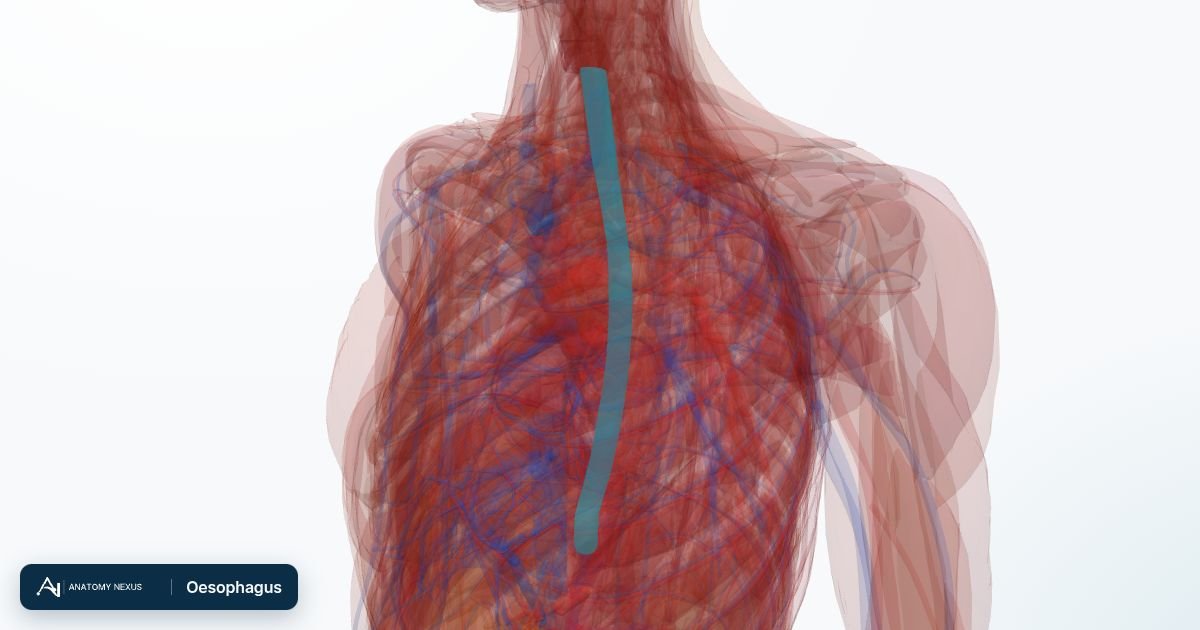
A gastroscopy is a test in which a thin, flexible tube with a small camera goes into the mouth and down into the stomach. The doctor or nurse watches the lining of the gullet, stomach and the first part of the small bowel on a screen. Tiny tissue samples, called biopsies, may be taken, and this is painless.
How do people prepare?
The stomach must be empty, so trusts ask people to stop eating for about six hours beforehand. Many trusts allow sips of clear fluid until about two hours before the test, though some stop earlier.
Throat spray or sedation: what is the difference?
People can usually have a throat spray, sedation, or both, depending on the trust. The throat spray is a local anaesthetic that numbs the back of the throat, and the person stays awake while a nurse talks them through the test. For sedation, a small tube called a cannula is placed in a vein, usually in the back of the hand. The medicine makes the person relaxed and sometimes drowsy, but not fully asleep.
What happens during the test?
Air is passed in to inflate the stomach, which can cause bloating and burping. Trust leaflets give different times for the test itself, and the NHS page gives 15 to 45 minutes. Common effects include a sore throat and bloating, which usually pass within 24 hours, according to trust leaflets.
What happens afterwards?
After a throat spray alone, people may be able to make their own way home, and can drink once swallowing returns to normal, which one leaflet puts at about 20 to 60 minutes. After sedation, people rest in the endoscopy department for an hour or two, according to a trust leaflet. After sedation, an escort is needed to take the person home, and one trust says the sedative can stay in the body for up to 24 hours. One trust says that after sedation, clear thinking and decision-making may be affected for up to 24 hours.
What are the risks?
Serious complications are rare, and trust leaflets give differing figures for a tear in the gut wall, from about 1 in 2,000 to less than 1 in 10,000. Possible problems include a tear in the gut wall that may need surgery, bleeding, and an allergic reaction to the sedation or throat spray. Sedation can occasionally cause short-term problems with breathing, heart rate and blood pressure. Rare complications include damage to loose teeth, crowns or bridgework. The NHS lists vomiting blood after a gastroscopy among the reasons to call 999 or go to A&E.
When do the results arrive?
A doctor or nurse will usually go through the main findings before the person leaves. Biopsy results from the laboratory are not available on the day. Biopsy results go to the referring doctor and the GP, and trust leaflets give waits that range from a couple of weeks to several weeks.
More guides and news
- Heartburn, acid reflux and GORD Guide · 3 November 2026
- Sprains and strains: treatment and recovery Guide · 3 November 2026
- Colonoscopy: preparation and what happens Guide · 3 November 2026
- Stomach ache: causes by area and warning signs Guide · 3 November 2026