



Kidney stones: symptoms, how they are diagnosed and how they are treated
Kidney stones form when chemicals in urine build up; small ones may cause no symptoms, while larger ones can cause severe pain, and some may need a procedure.
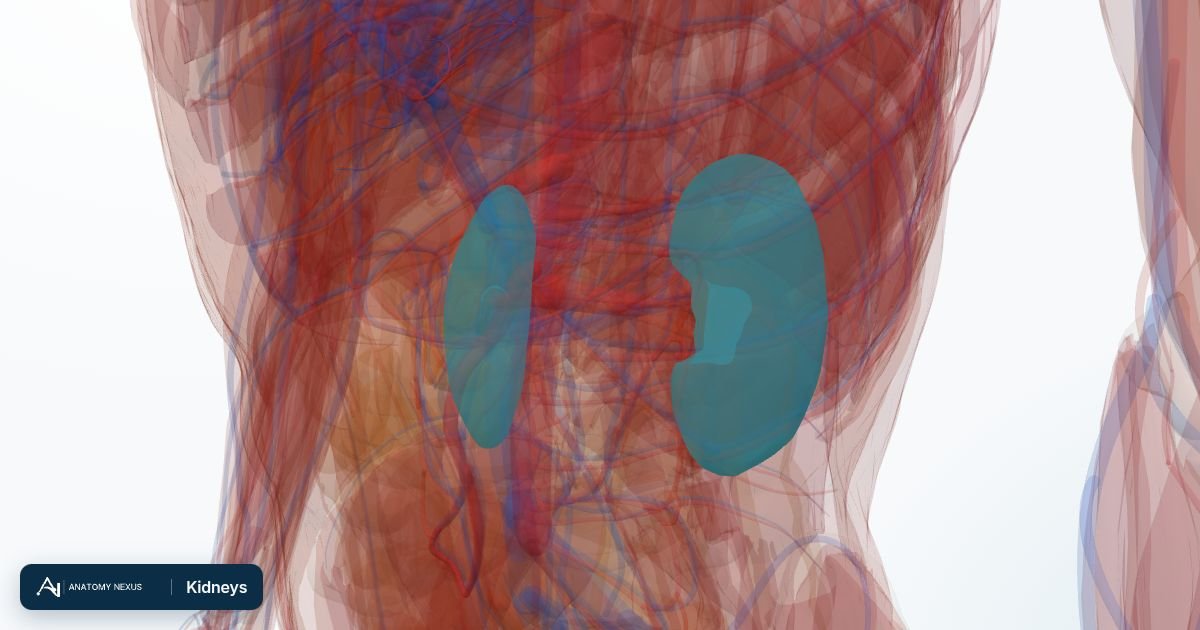
Key points
- Kidney stones form when chemicals from urine build up in the kidneys, and small stones may cause no symptoms.
- Larger stones can cause severe pain that comes and goes, sometimes with nausea or blood in the urine.
- A GP can often diagnose kidney stones from symptoms and history, with urine and blood tests and sometimes a scan.
- Most stones can be treated at home with medicines and plenty of fluids; larger stones may need to be broken up or removed.
- Severe pain, a high temperature or feeling hot, cold or shivery needs urgent advice from NHS 111 or a GP.
What are kidney stones?
Kidney stones are hard lumps that form in the kidneys. The NHS says they are caused by chemicals from urine building up in the kidneys.
Small stones often cause no symptoms and may pass unnoticed.
What symptoms can they cause?
Larger stones can cause severe pain. It can come and go in waves.
Other symptoms can include nausea or vomiting, blood in the urine, sweating, a high temperature and a urine infection.
What causes them?
The NHS says kidney stones can be caused by dehydration, by some medicines, and by some medical conditions. Not drinking enough water raises the chance of getting one.
Other things that raise the risk include a diet high in protein and low in fibre, being inactive or bed-bound, repeated kidney or urine infections, and a close family member who has had stones.
How are kidney stones diagnosed?
A GP can usually diagnose kidney stones from the symptoms and medical history. Urine and blood tests may be used.
If the pain is severe, the NHS says the person may be referred to hospital for a scan. If a scan is needed, the NHS says adults have a CT scan, while pregnant women and children under 16 have an ultrasound scan.
How are they treated?
Most kidney stones can be treated at home. The NHS says this usually means painkillers, anti-sickness medicine, medicines that help a stone pass, and drinking plenty of water.
Larger stones may need to be broken up or removed. One option is shockwave lithotripsy, where shock waves are aimed at the stone to break it up. Other procedures use a thin scope to reach the stone.
When should someone get urgent help?
The NHS advises asking for an urgent GP appointment or contacting NHS 111 for anyone with kidney stone symptoms who is in severe pain, or has a high temperature, or feels hot, cold or shivery.
A high temperature can be a sign of infection, so it needs prompt advice from a GP or NHS 111. Hospital leaflets advise A&E for anyone who cannot pass urine, and 999 in an emergency.
Hospital leaflets also advise A&E when pain is not controlled by painkillers.
Signs of infection with a stone can include a high temperature, burning when passing urine, and feeling tired or unwell.
What else do the sources say?
Shockwave lithotripsy can be uncomfortable, so painkillers are usually given first, and more than one session may be needed. In ureteroscopy, a thin telescope is passed through the urethra and bladder into the ureter, and it is done under general anaesthetic.
More guides and news
- Chickenpox, measles and hand, foot and mouth Guide · 3 November 2026
- What is jet lag and what helps? Guide · 3 November 2026
- Avoiding and managing travellers' diarrhoea Guide · 3 November 2026
- UTI and cystitis: what they are Guide · 3 November 2026