



Brain tumours
Also known as: brain tumour, brain tumor, brain cancer, glioma, glioblastoma, meningioma
A brain tumour is a growth of abnormal cells in or around the brain, and it may be non-cancerous or cancerous.
When to seek care
The NHS advises seeing a GP about symptoms, particularly a headache that feels different from the usual kind or is getting worse. Persistent or worsening headaches, or headaches that wake a person at night, call for an urgent GP appointment or NHS 111 rather than 999. The NHS says to call 999 for a first-time seizure, a seizure lasting longer than usual for that person, or a headache that comes on suddenly and is extremely painful.
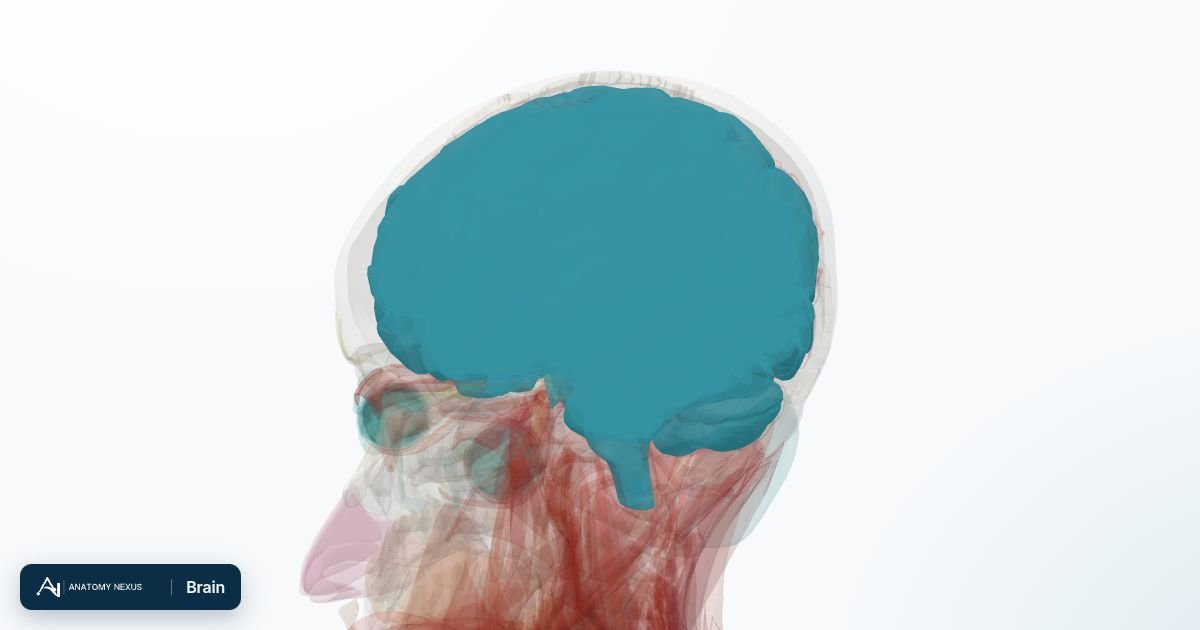
Overview
Brain tumours can be non-cancerous (benign) or cancerous (malignant). Some start in the brain, while others start elsewhere in the body and spread to it. The symptoms depend mainly on where the tumour is. Treatment depends on the type, size, position and grade of the tumour and may involve watchful monitoring, surgery, radiotherapy or chemotherapy. The NHS advises getting symptoms checked, even though they may not mean a tumour.
Causes
- Brain Tumour Research says no single definitive cause has been identified for primary brain tumours
- Cancer Research UK lists age as a risk factor
- Cancer Research UK says ionising radiation causes less than 1% of primary brain tumours diagnosed in the UK
- Cancer Research UK links neurofibromatosis types 1 and 2 and tuberous sclerosis to certain brain tumours
Risk factors
- Older age
- Radiation to the head, including earlier radiotherapy
- Neurofibromatosis type 1 or type 2, or tuberous sclerosis
- A close relative with a brain tumour
Symptoms
What a clinician may find
- Weakness on one side of the body
- Problems with speech or vision
- Changes in memory or personality
Complications
- Seizures (fits)
Diagnosis
A biopsy, in which a surgeon removes a small piece of tumour, is used to identify the type of tumour. Macmillan says a CT scan is usually the first scan and an MRI scan is generally also needed because it gives more detail. Brain tumours are graded from 1 to 4, with grades 1 and 2 generally low grade and grades 3 and 4 high grade, according to Cancer Research UK.
Treatment
Treatment depends on the size and position of the tumour, its type and grade, any biomarkers and the symptoms it causes. Options include watch and wait, surgery, radiotherapy and chemotherapy. Medicines can help with symptoms, such as steroids for swelling around the tumour and anti-seizure medicines for fits.
Prevention
Cancer Research UK says ionising radiation causes less than 1% of primary brain tumours diagnosed in the UK. Brain Tumour Research says no single definitive cause has been identified for primary brain tumours.
Key facts
| Fact | Detail |
|---|---|
| Also called | Brain cancer when malignant; types include glioma, glioblastoma and meningioma |
| Main types | Primary tumours that start in the brain, and secondary tumours that spread to the brain from elsewhere |
| Common symptoms | Headaches, seizures (fits), and changes in vision, speech, memory or personality |
| Main tests | A CT or MRI scan, and a biopsy to identify the type |
| Grading | Grades 1 to 4; 1 and 2 are generally low grade, 3 and 4 high grade |
| Main treatments | Watch and wait, surgery, radiotherapy or chemotherapy, plus medicines for symptoms |
What is a brain tumour?
A brain tumour is a growth of abnormal cells in or around the brain. Brain tumours can be non-cancerous (benign) or cancerous (malignant). Macmillan describes tumours that start in the brain as primary brain tumours, and those that start elsewhere in the body and spread to the brain as secondary brain tumours. Gliomas are tumours made of cells that resemble glial cells, the supporting cells of the brain and spinal cord. Grading reflects how fast a tumour grows and how likely it is to come back after treatment, according to NHS-derived text.
Astrocytomas are the most common type of glioma, and Macmillan describes glioblastoma as a type of grade 4 astrocytoma. The National Cancer Institute describes grade 1 meningiomas as the most common meningiomas, made up of slow-growing cells.
What are the symptoms of a brain tumour?
Symptoms depend on which part of the brain is affected. Common symptoms include headaches and seizures (fits), and the NHS says they should be checked even though they may not mean a tumour. Cancer Research UK says a brain tumour is unlikely if headache is the only symptom. Headaches that wake a person at night are among those that UK sources advise having checked by a doctor.
Other possible symptoms include weakness of the arms or legs, often on one side, difficulty with short-term memory, difficulty with talking, vision problems and changes to personality. Nausea and vomiting can occur too, usually alongside other symptoms. Symptoms may come on suddenly or develop slowly over months or even years.
What causes brain tumours?
Brain Tumour Research says no single definitive cause has been identified for primary brain tumours, though several risk factors are known. Cancer Research UK names age as a risk factor. It says ionising radiation causes less than 1% of primary brain tumours diagnosed in the UK, and that radiotherapy for a primary brain tumour was linked to a higher risk of a second brain tumour in a US study. The National Cancer Institute says radiation, especially in childhood, can increase the risk of meningioma.
Cancer Research UK links neurofibromatosis types 1 and 2 and tuberous sclerosis to certain brain tumours, and says only a small proportion of brain tumours are linked to known inherited genetic conditions. It also says that a close relative with a brain tumour slightly raises the risk. For meningioma, the National Cancer Institute adds that a genetic condition called neurofibromatosis type 2 increases the risk. It notes that grade 1 meningiomas are more common in females, while grades 2 and 3 occur more often in males.
How is a brain tumour diagnosed?
People with symptoms are usually seen first by a GP, who may refer them for further assessment. NICE guidance on suspected cancer says a very urgent referral, for an appointment within 48 hours, can be considered for children and young people with suspected brain or central nervous system cancer and newly abnormal cerebellar or other central neurological function. It also says referral can be considered when a parent or carer has persistent concern, even if the symptoms are most likely to have a benign cause.
Macmillan says a CT scan is usually the first scan, and that an MRI scan is generally also needed because it gives much more detail about the tumour. A biopsy, in which a surgeon removes a small piece of the tumour, is used to identify the type. Cancer Research UK says pathologists examine the cells under a microscope, and the more abnormal the cells look, the higher the grade. Tumours are graded from 1 to 4, and grades 1 and 2 are generally considered low grade while grades 3 and 4 are high grade.
How are brain tumours treated?
Macmillan says treatment depends on the size and position of the tumour, its type and grade, any biomarkers and the symptoms. For slow-growing, low-grade tumours with few or no symptoms, the doctor may suggest active monitoring, sometimes called watch and wait. Surgery aims to remove all or as much of the tumour as possible, and the NHS says it is the main treatment for most types of malignant brain tumour. If it is not possible to remove all of the tumour, Macmillan says removing part of it can still help.
Radiotherapy is usually the main treatment when surgery is not possible. Chemotherapy may be given at the same time as radiotherapy, after radiotherapy or surgery, as the main treatment, or if a tumour comes back. Brain Tumour Research says radiotherapy can cure some small, non-cancerous or very slow-growing tumours, but for more aggressive, large or diffuse tumours it is more likely to shrink the tumour or temporarily halt its growth. The NHS says a non-cancerous tumour will not usually come back if all of it can be safely removed, and that some people only need repeat scans to monitor it.
What about driving and day-to-day life?
GOV.UK says a person with a brain tumour must tell the DVLA and should also speak to their doctor, who may advise giving up the licence. Car and motorcycle licence holders can report online or on form BT1, while lorry, bus or coach licence holders use form BT1V. The GOV.UK guidance on fitness to drive sorts tumours into very low, low and high risk, and the rules vary with the treatment given, such as observation, biopsy, surgery, radiotherapy or chemotherapy. Some low-risk cases do not need to be reported, but most cases involve stopping driving for a set period, so the official guidance and the clinical team can confirm what applies in a particular case.
Frequently asked questions
Is a headache a sign of a brain tumour?
Cancer Research UK says a brain tumour is unlikely if headache is the only symptom. The NHS says to see a GP about symptoms, particularly a headache that feels different from the usual kind or is getting worse. A headache that comes on suddenly and is extremely painful is a reason to call 999, according to the NHS.
Are all brain tumours cancer?
No, brain tumours can be non-cancerous (benign) or cancerous (malignant). Tumours are also graded from 1 to 4, which Cancer Research UK says is generally low grade for 1 and 2 and high grade for 3 and 4. The NHS says a non-cancerous tumour will not usually come back if all of it can be safely removed.
What is the difference between a glioma and a meningioma?
Gliomas are tumours made of cells that resemble glial cells, the supporting cells of the brain and spinal cord. Glioblastoma is described by Macmillan as a type of grade 4 astrocytoma, which is one kind of glioma. The National Cancer Institute says grade 1 is the most common grade of meningioma and its cells grow slowly.
Can a brain tumour be cured?
Brain Tumour Research says radiotherapy can cure some small, non-cancerous or very slow-growing tumours. For more aggressive, large or diffuse tumours, it says radiotherapy is more likely to shrink the tumour or temporarily halt its growth than to cure it.
Do people with a brain tumour have to tell the DVLA?
GOV.UK says a person with a brain tumour must tell the DVLA and should also speak to their doctor, who may advise giving up the licence. The official fitness-to-drive guidance says the rules vary with the risk category of the tumour and the treatment given.
When is a seizure an emergency?
The NHS says to call 999 for a seizure that happens for the first time or one that lasts longer than usual for that person. A headache that comes on suddenly and is extremely painful is also a reason to call 999.
Connected pages in detail
What each linked page on Anatomy Nexus covers, in a line, for Brain tumours.
Conditions
- Epilepsy A tendency to recurrent, unprovoked seizures: bursts of abnormal synchronised electrical activity in the brain.
Symptoms
- Headache Pain felt anywhere in the head.
- Nausea The unpleasant sensation of being about to vomit.
- Vomiting Forceful emptying of the stomach through the mouth, a protective reflex run by the brainstem that closes the airway.
- Weakness Loss of muscle power, distinct from tiredness or heaviness.
Medical tests
- Biopsy Removal of a small piece of tissue or a few cells so a pathologist can examine them under the microscope.