



Bronchitis
Also known as: acute bronchitis, chest cold, chronic bronchitis
Bronchitis is inflammation of the airways in the lungs, usually caused by an infection.
When to seek care
Call 999 if someone is struggling to breathe, their lips or skin turn pale, blue or grey, they suddenly become confused, or a baby is unresponsive or floppy. The NHS advises an urgent GP appointment or a call to NHS 111 for people who are over 65, are pregnant, have a long-term condition such as diabetes or heart, lung or kidney disease, or feel too unwell to do their usual daily activities. The NHS says to see a GP if symptoms last longer than 3 weeks.
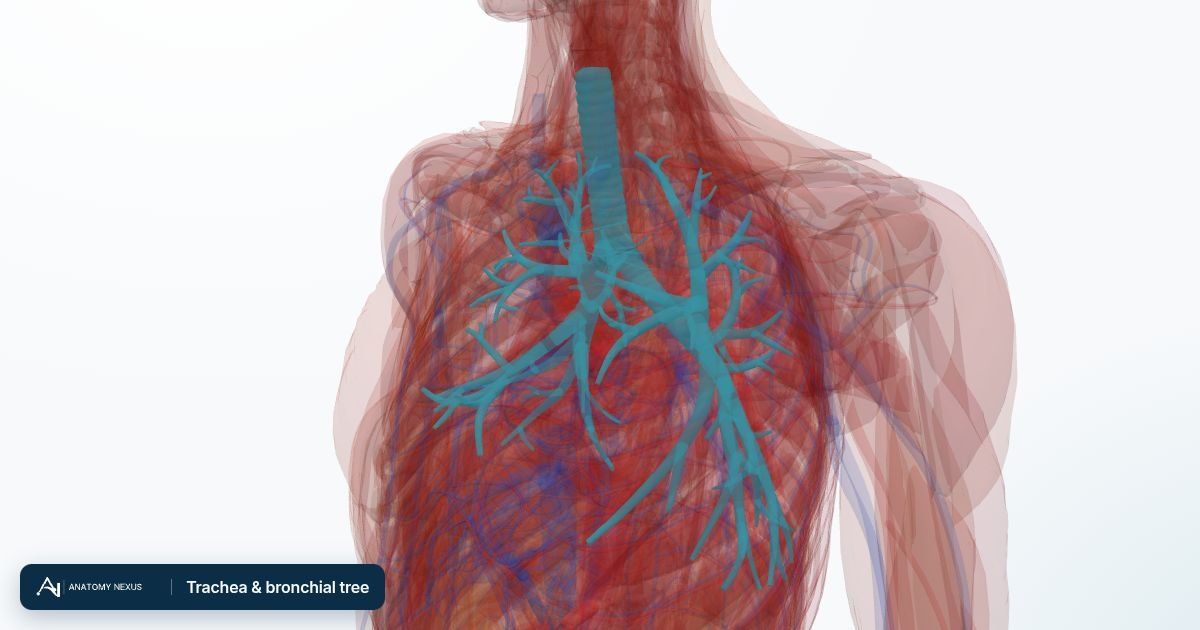
Overview
Acute bronchitis is a short-term infection of the larger airways, which are called the bronchi. It usually clears up on its own, often within about 3 weeks. A cough that often brings up mucus is a main symptom, and viruses are the usual cause. Chronic bronchitis is a different, long-term problem that forms part of chronic obstructive pulmonary disease (COPD).
Causes
- Acute bronchitis is usually caused by a virus, often the same viruses that cause colds and flu.
- Bacteria are a less common cause.
- Irritants such as tobacco smoke, air pollution, dust and fumes can also trigger acute bronchitis.
- Chronic bronchitis is caused by long-term exposure to irritants such as cigarette smoke and pollutants.
Risk factors
- The risk of acute bronchitis is higher in very young and older people, in people with a weakened immune system, and in those with heart or lung disease.
- A history of smoking, living in a polluted area, crowded living conditions and a history of asthma are also listed as risk factors.
Symptoms
What a clinician may find
- A cough that often brings up mucus is a main symptom.
- A low-grade fever and tiredness can also happen.
Complications
- Pneumonia can be a complication, and the risk is higher in people with asthma, COPD or a weakened immune system.
- Acute respiratory distress syndrome and respiratory failure linked to acute bronchitis have been reported in the medical literature.
- People with asthma are more likely to get a chest infection, and a chest infection can trigger asthma symptoms and lead to an asthma attack.
Diagnosis
StatPearls says a chest X-ray in acute bronchitis is usually non-specific and often looks normal, and that it is most useful for telling pneumonia apart. NICE guidance on acute cough sets out when antibiotics are considered, depending on how unwell a person is and whether they are at higher risk of complications.
Treatment
Most cases of acute bronchitis get better on their own. The NHS suggests resting, drinking plenty of fluids and taking paracetamol or ibuprofen for pain and fever. Antibiotics are not routine, but may be offered if the bronchitis is caused by a more serious infection. NICE does not routinely recommend antibiotics for acute bronchitis in people who are not very unwell or at higher risk of complications. NHLBI says treatment of chronic bronchitis aims to improve breathing and control symptoms.
Prevention
Stopping smoking is described as the most important step in the care of chronic bronchitis. NHLBI lists avoiding fumes, air pollution and secondhand smoke, and having recommended vaccines such as the yearly flu vaccine, as ways to lower the chance of getting bronchitis or of getting it again.
Key facts
| Fact | Detail |
|---|---|
| Also called | Acute bronchitis is also known as a chest cold. |
| Usual cause | Usually an infection, most often a virus. |
| Typical length | Often better in around 3 weeks without treatment. |
| Main symptom | A cough that often brings up mucus. |
| Chest X-ray | A chest X-ray is sometimes used to tell bronchitis from pneumonia. |
| Long-term form | Long-term bronchitis is part of COPD and can be managed but not cured. |
What are the symptoms of bronchitis?
The NHS lists a cough, chest pain when coughing, shortness of breath, a sore throat, a runny nose and a high temperature. NI Direct, the Northern Ireland public information service, adds that tiredness, headache and aches and pains can also occur. A cough that often brings up mucus is a main symptom, and viruses are the usual cause.
MedlinePlus says the mucus may be clear or yellow-green, and that a fever, when present, is usually low-grade. It also describes chest discomfort and shortness of breath that gets worse with activity. NI Direct says the cough can outlast the other symptoms by several weeks, and MedlinePlus says it can linger for 1 to 4 weeks after the illness clears. Bronchitis often gets better without treatment in around 3 weeks, according to the NHS. In chronic bronchitis, a whistling or squeaky sound when breathing and chest tightness are also reported.
What causes bronchitis?
Bronchitis is inflammation of the airways in the lungs, usually caused by an infection. MedlinePlus describes acute bronchitis as swelling and inflamed tissue in the bronchi, the main passages that carry air to the lungs, and says the swelling can narrow the airways and make it harder to breathe. Acute bronchitis is a short-term infection of the larger airways, which are called the bronchi.
Acute bronchitis is usually caused by a virus, often the same viruses that cause colds and flu. MedlinePlus says these viruses spread through coughing or contact with unwashed hands. Bacteria are a less common cause. Irritants such as tobacco smoke, air pollution, dust and fumes can also trigger it.
Chronic bronchitis is caused by long-term exposure to irritants such as cigarette smoke and pollutants. Chronic bronchitis is a different, long-term problem that forms part of chronic obstructive pulmonary disease (COPD).
Who is more at risk, and what can go wrong?
The risk of acute bronchitis is higher in very young and older people, in people with a weakened immune system, and in those with heart or lung disease. A history of smoking, living in a polluted area, crowded living conditions and a history of asthma are also listed as risk factors.
Pneumonia can be a complication, and the risk is higher in people with asthma, COPD or a weakened immune system. Acute respiratory distress syndrome and respiratory failure linked to acute bronchitis have been reported in the medical literature.
Asthma + Lung UK says the main types of chest infection are pneumonia and bronchitis. People with asthma are more likely to get a chest infection, and a chest infection can trigger asthma symptoms and lead to an asthma attack. The charity also says antibiotics only help with bacterial infections, so they will not help a chest infection caused by a virus.
How is bronchitis diagnosed and treated?
StatPearls says a chest X-ray in acute bronchitis is usually non-specific and often looks normal, and that it is most useful for telling pneumonia apart. NICE guidance on acute cough sets out when antibiotics are considered, depending on how unwell a person is and whether they are at higher risk of complications.
The NHS suggests resting, drinking plenty of fluids and taking paracetamol or ibuprofen for pain and fever. Honey in a warm drink may soothe the throat, but it is not for babies under 1. NI Direct advises against ibuprofen for people with asthma.
Antibiotics are not routine, but may be offered if the bronchitis is caused by a more serious infection. NICE does not routinely recommend antibiotics for acute bronchitis in people who are not very unwell or at higher risk of complications. NICE says antibiotics shorten a cough by only about half a day on average and can cause side effects, particularly diarrhoea and nausea. For people at higher risk of complications, NICE says an immediate or back-up antibiotic prescription can be considered. The CDC says acute bronchitis usually gets better on its own, without antibiotics.
What is chronic bronchitis?
NHLBI describes chronic bronchitis as lasting at least three months and returning for at least two years in a row. Asthma + Lung UK says it causes the airways to produce a lot of phlegm, which can lead to a long-term cough and breathing problems. It treats chronic bronchitis as part of COPD, a group of lung conditions that also includes emphysema.
Asthma + Lung UK says chronic bronchitis can be managed but cannot be cured. NHLBI says treatment aims to improve breathing and control symptoms, and names quitting smoking, medicines that clear the airways or prevent symptoms getting worse, and oxygen therapy as options. The NHS describes short-acting bronchodilator inhalers as the first treatment for most people with COPD. MedlinePlus describes pulmonary rehabilitation as a programme that helps improve well-being in people with long-term breathing problems.
Stopping smoking is described as the most important step in the care of chronic bronchitis. NHLBI lists avoiding fumes, air pollution and secondhand smoke, and having recommended vaccines such as the yearly flu vaccine, as ways to lower the chance of getting bronchitis or of getting it again.
When should you get medical help?
The NHS says to see a GP if symptoms last longer than 3 weeks. NICE says people should be told that a cough can last up to 3 or 4 weeks without needing an antibiotic, and to seek help if symptoms worsen rapidly or significantly, do not improve after 3 or 4 weeks, or they become very unwell.
The NHS advises an urgent GP appointment or a call to NHS 111 for people who are over 65, are pregnant, have a long-term condition such as diabetes or heart, lung or kidney disease, or feel too unwell to do their usual daily activities. The NHS also lists coughing up blood or blood-stained mucus and feeling short of breath. NI Direct lists blood-streaked mucus and a fever that lasts more than three days as reasons to see a GP.
The NHS says to call 999 if someone is struggling to breathe, their lips or skin turn pale, blue or grey, they suddenly become confused, or a baby is unresponsive or floppy.
Frequently asked questions
How long does bronchitis last?
Bronchitis often gets better without treatment in around 3 weeks, according to the NHS. MedlinePlus says the cough can linger for 1 to 4 weeks after the illness clears. The NHS says to see a GP if symptoms last longer than 3 weeks. NICE says people should be told to seek help if symptoms worsen rapidly or significantly, do not improve after 3 or 4 weeks, or they become very unwell.
Does bronchitis need antibiotics?
Acute bronchitis is usually caused by a virus, and Asthma + Lung UK says antibiotics only help with bacterial infections. Antibiotics may be offered if the bronchitis is caused by a more serious infection. NICE does not routinely recommend antibiotics for acute bronchitis in people who are not very unwell or at higher risk of complications. The CDC says acute bronchitis usually gets better on its own, without antibiotics.
Is bronchitis the same as COPD?
Acute bronchitis is a short-term infection of the larger airways, which are called the bronchi. Chronic bronchitis is a different, long-term problem that forms part of chronic obstructive pulmonary disease (COPD). NHLBI describes chronic bronchitis as lasting at least three months and returning for at least two years in a row.
What can help with bronchitis symptoms?
The NHS suggests resting, drinking plenty of fluids and taking paracetamol or ibuprofen for pain and fever. Honey in a warm drink may soothe the throat, but it is not for babies under 1. NI Direct advises against ibuprofen for people with asthma. The NHS says to see a GP if symptoms last longer than 3 weeks.
Can chronic bronchitis be cured?
Asthma + Lung UK says chronic bronchitis can be managed but cannot be cured. It treats chronic bronchitis as part of COPD. NHLBI says treatment aims to improve breathing and control symptoms. Stopping smoking is described as the most important step in the care of chronic bronchitis.
Connected pages in detail
What each linked page on Anatomy Nexus covers, in a line, for Bronchitis.
Conditions
- Chronic obstructive pulmonary disease (COPD) Progressive, largely irreversible airflow obstruction caused by damage to the airways (chronic bronchitis) and destruction of alveoli (emphysema).
- Pneumonia Infection of the alveoli, which fill with fluid and inflammatory cells so that part of the lung cannot exchange gas.
- Asthma A chronic inflammatory disease of the airways causing reversible narrowing, with episodes of wheeze, breathlessness, chest tightness and cough.
Symptoms
- Cough A reflex blast of air that clears the airways of mucus, irritants and foreign material.
- Shortness of breath The sensation of not getting enough air.
- Fever A body temperature of 38 °C (100.4 °F) or more, produced when the hypothalamus raises its set point in response to inflammatory signals.
- Chest pain Pain or pressure anywhere between the neck and the upper abdomen.
Imaging
- X-ray The oldest and most widely available imaging test: a brief beam of X-rays casts a shadow picture of bone, air and soft tissue, ideal for fractures.
Medications
- Paracetamol The first-line painkiller and fever reducer for most people (acetaminophen in North America).
- Ibuprofen A non-steroidal anti-inflammatory (NSAID) that eases pain, inflammation and fever by blocking prostaglandin production.