



COVID-19
Also known as: coronavirus, SARS-CoV-2 infection, Covid, long COVID
COVID-19 is an illness caused by a virus called coronavirus (SARS-CoV-2), with symptoms that overlap with colds and flu.
When to seek care
Call 999 or go to A&E for sudden chest pain, severe breathlessness, coughing up blood, or collapsing. Contact the GP or NHS 111 urgently if symptoms are getting worse or not improving, or if a high temperature lasts five days or more. People at higher risk, such as those who are pregnant, aged 60 or over, or have a weakened immune system, are advised to get medical advice sooner. A routine GP appointment is the route for symptoms that last a long time after the infection.
Overview
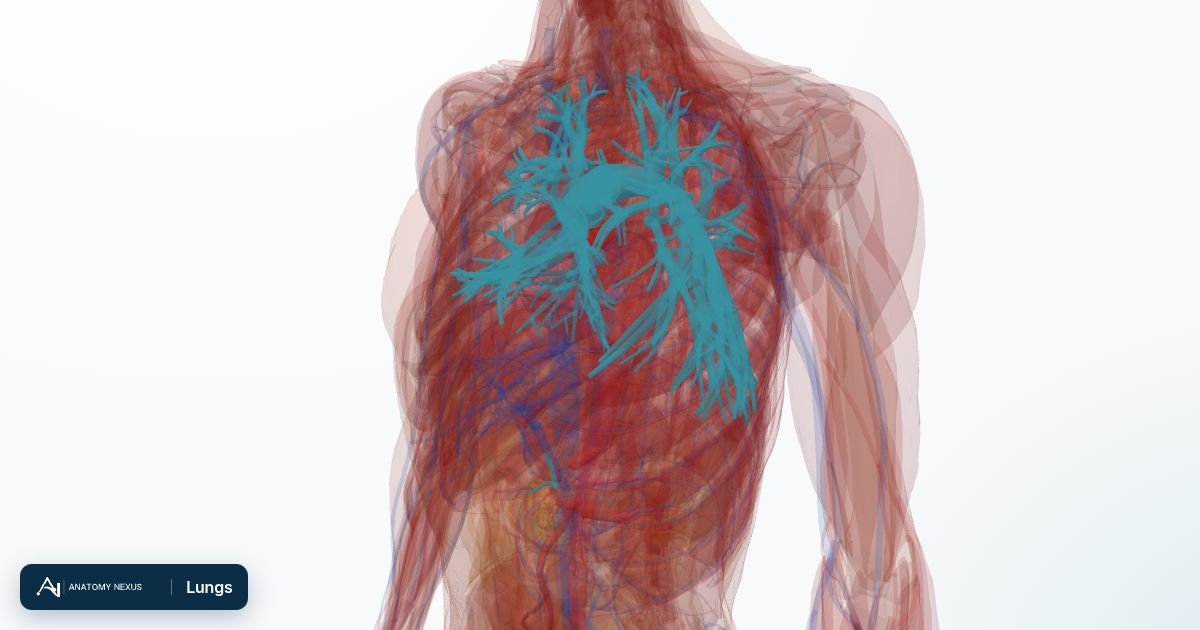
COVID-19 is an infection caused by a virus that spreads through the air when an infected person breathes, talks, coughs or sneezes. The NHS says its symptoms are very similar to those of other illnesses such as colds and flu. Some people, including older adults, those with weakened immune systems and those with certain long-term conditions, are at higher risk of severe illness, according to WHO. Some people go on to have symptoms that last for a long time, which is called long COVID.
Causes
- Infection with the virus SARS-CoV-2
- Breathing in infectious respiratory particles released when an infected person breathes, talks, coughs or sneezes
- Touching a contaminated surface and then the eyes, nose or mouth
- Close contact with an infected person or sharing a closed space with them
Risk factors
- Older age
- Underlying health conditions such as diabetes, heart or lung disease and obesity
- A weakened immune system, including HIV
- Pregnancy
- Not being vaccinated
Symptoms
What a clinician may find
- A high temperature
- Difficulty breathing or shortness of breath in more severe illness, which the CDC lists as an emergency warning sign in adults
Complications
- Becoming seriously ill, especially in people at higher risk
- Pneumonia and sepsis in some people admitted to hospital, as recorded in a US hospital study published by the CDC
- Long COVID, with symptoms lasting for weeks or longer
- Persistent tiredness, breathlessness, joint pain and aching muscles after the infection
- Problems with memory and concentration, often called brain fog
- Heart palpitations, dizziness, and anxiety or depression during long COVID
Diagnosis
The NHS says the symptoms are very similar to those of colds and flu. It also says most people cannot get free rapid lateral flow tests, though some people at highest risk of serious illness can, and that most people with symptoms do not need to take one. For people eligible for COVID-19 treatments, the NHS advises taking a rapid lateral flow test as soon as symptoms start.
Treatment
The NHS says home measures such as rest, plenty of fluids and paracetamol or ibuprofen can ease symptoms. For a cough, it suggests avoiding lying flat on the back and not using a fan to cool the room. The NHS offers antiviral medicines, including nirmatrelvir with ritonavir and molnupiravir, to people at highest risk of becoming seriously ill. The CDC says antiviral treatment has to be started soon after symptoms begin.
Prevention
Vaccination helps protect against severe illness, and the UK offers a seasonal programme to the groups at highest risk of serious illness. The NHS advises staying at home and away from others when there is a high temperature or a person does not feel well enough to do normal activities.
Key facts
| Fact | Detail |
|---|---|
| Also called | Coronavirus, SARS-CoV-2 infection |
| Caused by | The virus SARS-CoV-2 |
| Typical symptoms | High temperature, new continuous cough, change in smell or taste |
| Spreads by | Respiratory particles in the air from breathing, talking, coughing or sneezing |
| Higher risk | Older adults, weakened immune system, some long-term conditions, pregnancy |
| Urgent help | Call 999 or A&E for sudden chest pain, severe breathlessness, coughing blood or collapse; otherwise GP or NHS 111 |
| Vaccination | Seasonal NHS programme for the groups at highest risk |
What is COVID-19 and how does it spread?
COVID-19 is an illness caused by a virus called coronavirus, formally SARS-CoV-2. WHO says the virus spreads through the air in infectious respiratory particles that an infected person releases when breathing, talking, coughing or sneezing. It can also spread when someone touches a contaminated surface and then touches the eyes, nose or mouth.
People are more likely to catch the virus when they are close to an infected person, or when they share a closed space with them. The US Centers for Disease Control and Prevention (CDC) says that anyone infected can spread the virus even without symptoms, and that people can pass it on before symptoms begin. A CDC travel guide adds that most spread seems to happen early in the infection, particularly in the day or two before symptoms start.
What are the symptoms of COVID-19?
The NHS says the symptoms are very similar to those of other illnesses such as colds and flu, which can make them hard to tell apart. The most typical ones are a high temperature, a new continuous cough, and a change in the sense of smell or taste. The NHS also lists shortness of breath, tiredness, body aches and headache, and some people have a sore throat or diarrhoea. It says most people feel better within a few weeks, although recovery can take longer.
The NHS advises staying at home and away from other people when there is a high temperature or a person does not feel well enough to do normal activities. Normal activities can restart once the person feels better or the temperature has gone down. Self-care described by the NHS includes resting, drinking plenty of fluids and considering paracetamol or ibuprofen. For a cough, it suggests avoiding lying flat on the back and not using a fan to cool the room.
Who is at higher risk of becoming seriously ill?
WHO says older adults, people with underlying health conditions and unvaccinated people are at higher risk of severe illness. The conditions it lists include high blood pressure, diabetes, obesity, chronic lung, heart, liver and kidney diseases, cancer and dementia. Pregnant women and people with immunosuppression, such as those taking immunosuppressive medicines or living with HIV, are also named as higher-risk groups.
The CDC says the risk of severe illness is greater as the number of underlying conditions increases, and that age is the strongest risk factor. In a US hospital study published by the CDC, pneumonia was the most common respiratory complication among people admitted with COVID-19, and sepsis was also recorded. The NHS offers antiviral medicines to people at highest risk of becoming seriously ill.
How is COVID-19 tested and treated?
The NHS says most people cannot get free COVID-19 rapid lateral flow tests, though some people at highest risk of serious illness can. Its symptoms page says most people with symptoms do not need to take a rapid lateral flow test. People who are eligible for COVID-19 treatments are advised to take one as soon as symptoms start.
The NHS says home measures such as rest and plenty of fluids can ease symptoms. Antiviral medicines, such as nirmatrelvir with ritonavir (Paxlovid) and molnupiravir (Lagevrio), are offered by the NHS to people at highest risk of becoming seriously ill, and a doctor advises which treatment is most suitable after assessment. The CDC says antiviral treatment has to be started soon after symptoms begin, and advises people at higher risk to talk to a healthcare provider right away, even with mild symptoms. Testing can also help guide treatment decisions, according to the CDC.
How does the vaccination programme work?
The UK runs a seasonal COVID-19 vaccination programme for the groups at highest risk of serious illness. The NHS says the vaccine is available to people aged 75 and over, to people aged 6 months to 74 with a weakened immune system, and to residents of care homes for older adults. For the spring 2026 programme, UKHSA said the groups were the same across England, Scotland, Wales and Northern Ireland. Eligibility for people with a weakened immune system depends on criteria in the Green Book.
The NHS gives examples such as blood cancer, organ, bone marrow or stem cell transplants, HIV and some long-term steroid treatment, and notes that the list does not cover everything. Some people with a severely weakened immune system may need an extra dose. Eligible people can book online or in the NHS App, or go to a walk-in site, without waiting for an invitation. Eligibility has changed between seasons: for autumn and winter 2025/26 it was narrowed to people at highest risk of serious illness.
What is long COVID and when should someone get help?
The NHS describes long COVID, also called post-COVID syndrome, as symptoms of COVID-19 that last longer than 12 weeks. The most common symptoms include extreme tiredness, shortness of breath, joint pain and aching muscles, and problems with memory and concentration. Others include heart palpitations, dizziness, anxiety and depression. Having a mild first illness does not rule it out, as the chance of long-term symptoms does not seem to be linked to how ill someone was at first.
The NHS says there is no cure, but treatment can help manage symptoms, and physiotherapy for breathing or tiredness is one option. For persistent symptoms the route is a GP appointment; a GP can assess the symptoms, and specialist post-COVID services exist for people whose symptoms have a big impact on their lives. For worsening acute illness, the NHS says to contact a GP or NHS 111 urgently. Call 999 or go to A&E for sudden chest pain, severe breathlessness, coughing up blood, or collapsing.
Frequently asked questions
Is COVID-19 the same as flu or a cold?
The NHS says the symptoms of COVID-19 are very similar to those of colds and flu, so they can be hard to tell apart. The most typical COVID-19 symptoms are a high temperature, a new continuous cough and a change in smell or taste. The NHS says most people with symptoms do not need a rapid lateral flow test, but people eligible for COVID-19 treatments are advised to take one as soon as symptoms start.
Who can have the COVID-19 vaccine on the NHS?
The NHS says the vaccine is available to people aged 75 and over, to people aged 6 months to 74 with a weakened immune system, and to residents of care homes for older adults. Its list of conditions and treatments that weaken the immune system does not cover everything, and the full criteria are in the Green Book. Eligible people can book online or in the NHS App, or use a walk-in site. Eligibility can change from one season to the next.
Can COVID-19 be spread by someone with no symptoms?
Yes. The CDC says anyone infected can spread the virus even without symptoms, and a CDC travel guide says most spread appears to happen early in the infection, particularly in the day or two before symptoms start. WHO says the virus passes through the air in respiratory particles from breathing, talking, coughing or sneezing, and that people are more likely to catch it when close to an infected person or sharing a closed space.
What is long COVID?
Long COVID, also called post-COVID syndrome, is when symptoms of COVID-19 last longer than 12 weeks, according to the NHS. Common symptoms include extreme tiredness, shortness of breath, joint pain, aching muscles and memory and concentration problems. The NHS says there is no cure, but treatment can help manage symptoms. A GP can assess persistent symptoms, and specialist post-COVID services exist for people whose symptoms have a big impact on their lives.
When is COVID-19 an emergency?
The NHS says to call 999 or go to A&E for sudden chest pain, severe breathlessness, coughing up blood, or collapsing. Symptoms that are getting worse or not improving call for urgent contact with a GP or NHS 111, as does a high temperature that lasts five days or more. People at higher risk, such as those who are pregnant, aged 60 or over or have a weakened immune system, are advised to seek advice sooner.
Connected pages in detail
What each linked page on Anatomy Nexus covers, in a line, for COVID-19.
Conditions
- Pneumonia Infection of the alveoli, which fill with fluid and inflammatory cells so that part of the lung cannot exchange gas.
- Sepsis Life-threatening organ dysfunction caused by a dysregulated body response to infection.
Symptoms
- Fever A body temperature of 38 °C (100.4 °F) or more, produced when the hypothalamus raises its set point in response to inflammatory signals.
- Cough A reflex blast of air that clears the airways of mucus, irritants and foreign material.
- Shortness of breath The sensation of not getting enough air.
- Fatigue Persistent tiredness that rest does not fix.
- Headache Pain felt anywhere in the head.
Medications
- Paracetamol The first-line painkiller and fever reducer for most people (acetaminophen in North America).
- Ibuprofen A non-steroidal anti-inflammatory (NSAID) that eases pain, inflammation and fever by blocking prostaglandin production.