



Hernia
Also known as: hernias, inguinal hernia, femoral hernia, umbilical hernia, hiatus hernia, abdominal hernia
A hernia forms when muscle weakness lets tissue push through.
When to seek care
Call 999 or go to A&E for very bad tummy pain, being sick, or being unable to pass wind or stools. Pain in or around a hernia, a bulge that is suddenly larger or cannot be pushed back in, redness, or a high temperature also needs urgent assessment through NHS 111, or 999 if severe. A GP appointment is the route for a suspected hernia that is not urgent.
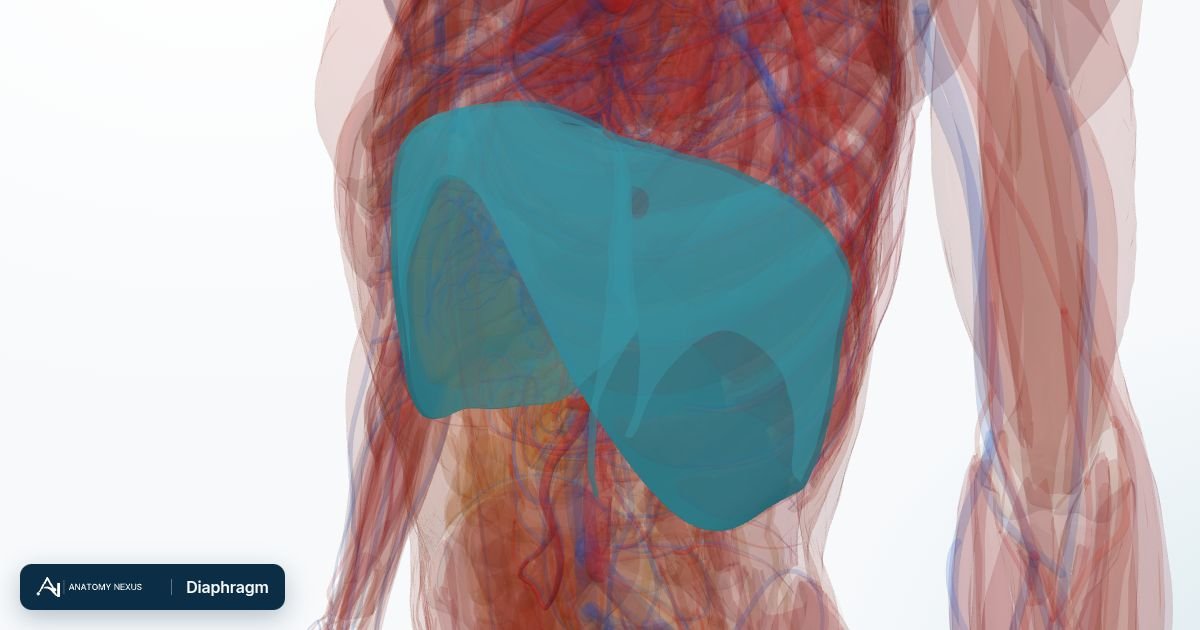
Overview
Hernias are common, and most occur in the tummy or groin. Some cause a visible lump, while others are internal. Common types include inguinal (groin), femoral (top of the thigh), umbilical (belly button) and hiatus hernias, where part of the stomach moves up into the chest. Many cause few or no symptoms, but a trapped hernia can become a medical emergency.
Causes
- Muscle weakness that lets tissue push through.
- Straining to poo, lifting heavy weights, coughing and pregnancy.
- For hiatus hernia, MedlinePlus says the risk rises with age, obesity and smoking.
Risk factors
- Being overweight.
- Long-term constipation and straining to pass a stool.
- Long-term coughing and smoking.
- Heavy lifting.
- Femoral hernias occur more often in women, and inguinal hernias are more common in men.
Symptoms
What a clinician may find
- A bulge or lump that may get bigger on coughing or straining and smaller when lying down.
- A small lump at the top of the thigh with a femoral hernia.
- Redness, severe pain, vomiting and being unable to pass wind or stools when a hernia is trapped or strangulated.
- A soft swelling at the belly button with an umbilical hernia.
Complications
- Strangulation, when the blood supply to trapped tissue is cut off, which is a medical emergency.
- Symptoms of intestinal obstruction such as bloating, nausea and vomiting.
- Chronic pain in some people after inguinal hernia repair surgery.
Diagnosis
A GP can usually identify a hernia by examining the area. The doctor may ask the person to stand, cough or strain while checking for a bulge. Imaging such as ultrasound may be used if the diagnosis is not clear after the examination.
Treatment
Treatment depends on the type of hernia and its symptoms. Options include medicines for hiatus hernia indigestion, losing weight if overweight, and surgery to repair the hernia. A hernia that causes few or no symptoms may sometimes be watched rather than operated on, depending on the type.
Prevention
Triggers the NHS lists include straining to poo, lifting heavy weights, being overweight and coughing. For hiatus hernia symptoms, NHS advice includes eating smaller meals, raising the head end of the bed and losing weight if overweight.
Key facts
| Fact | Detail |
|---|---|
| Main types covered | Inguinal (groin), femoral (top of the thigh), umbilical (belly button) and hiatus (stomach into chest) |
| Common sites | Most occur in the tummy or groin |
| Usually found by | A GP examining the area, with imaging if the diagnosis is unclear |
| Main danger | Strangulation, a medical emergency |
| Emergency route | 999 or A&E for very bad tummy pain, being sick, or being unable to pass wind or stools |
| Repair | Surgery is the treatment that permanently fixes a hernia |
| Hiatus hernia | Some people have one without knowing and without a problem |
What is a hernia and which types are there?
A hernia forms when muscle weakness lets tissue push through. Hernias are common, and most occur in the tummy or groin. Some cause a visible lump, while others are internal and cannot be seen from the outside.
An inguinal hernia appears in the groin and is diagnosed from the history and an examination of a lump there. A femoral hernia causes a small lump at the top of the thigh and occurs more often in women than in men. An umbilical hernia is a soft swelling at the belly button. A hiatus hernia is different, because part of the stomach moves up into the chest. In many cases hernias cause no symptoms or very few.
What are the symptoms of a hernia?
The usual sign is a bulge or lump that may get bigger when the person coughs, sneezes or cries and smaller when they lie down. Many hernias cause little or no pain. Some hernias cause a visible lump, while others are internal, and in many cases there are no or very few symptoms. Some people have discomfort or pain that is worse when standing, straining or lifting heavy objects.
Hiatus hernias typically cause heartburn, acid reflux, bad breath, bloating, feeling sick, and difficulty or pain when swallowing. These are also the symptoms of gastro-oesophageal reflux disease. Some people have a hiatus hernia without knowing and without it causing a problem.
What causes a hernia?
A hernia can form when muscle weakness lets tissue push through. Activities or medical problems that raise pressure on the tissue in the belly wall may contribute, such as long-term constipation and heavy straining. Coughing, heavy lifting, pregnancy, being overweight and smoking are also linked with hernias. Factors that weaken the tissues of the abdominal wall include inherited tendencies, increasing age and smoking.
Inguinal hernias are more common in men, while femoral hernias occur more often in women. For hiatus hernias, MedlinePlus says the risk rises with age, obesity and smoking. Most umbilical hernias in babies and young children close on their own. MedlinePlus notes that there is usually no clear cause of a hernia.
How is a hernia diagnosed?
A GP can usually identify a hernia by examining the area. The doctor may ask the person to stand, cough or strain while checking for a bulge. NIDDK says an inguinal hernia is diagnosed from the history and an examination of a lump in the groin, and that imaging tests may be ordered if the diagnosis is not clear after a physical examination.
For a hiatus hernia, if stronger medicines do not work, a GP can send the person for tests. The NHS says to see a GP if hiatus hernia symptoms do not go away, are very bad or getting worse, or if medicines from a pharmacy do not help.
How is a hernia treated?
Treatment depends on the type of hernia and its symptoms. NIDDK says men whose inguinal hernias cause few or no symptoms may be able to delay surgery, although many of those who delay surgery later develop new or worsening symptoms and need an operation. It also says most people with inguinal hernias will need surgery to repair them.
MedlinePlus adds that surgery is the only treatment that can permanently fix a hernia. For adults with an umbilical hernia, the NHS says the hernia is unlikely to get better by itself, and surgery is generally recommended. Children usually do not need treatment for an umbilical hernia because most close by themselves, and surgery is generally considered if the hernia is large or has not gone by the age of 4 or 5.
What helps a hiatus hernia?
A hiatus hernia is when part of the stomach moves up into the chest. Symptoms can include heartburn, acid reflux, bloating and difficulty or pain when swallowing. Many people manage symptoms with lifestyle changes and medicines from a pharmacy. NHS advice includes eating smaller, more frequent meals, raising the head end of the bed, losing weight if overweight, not eating within 3 or 4 hours of going to bed, and avoiding trigger foods.
Pharmacists may recommend medicines called antacids or alginates, which can help ease symptoms in the short term but do not cure the problem. The NHS advises that prescribed medicine is not stopped without speaking to a doctor first. If these steps do not help, a GP can prescribe stronger medicines. Surgery is usually considered only if other treatments have not worked and very bad symptoms continue.
When is a hernia an emergency?
The main danger is strangulation, when the blood supply to trapped tissue is cut off. This is a medical emergency, and a stuck or strangulated hernia needs emergency surgery. Signs include a bulge that cannot be pushed back in, fever, redness, sudden or severe pain, and nausea and vomiting. The NHS femoral hernia page says to call 999 or go to A&E for very bad tummy pain, being sick, or being unable to pass wind or stools.
For hiatus hernia, indigestion or acid reflux with weight loss without trying, difficulty swallowing, frequent vomiting, blood in vomit or upper tummy pain needs an urgent GP appointment or contact with NHS 111. For a non-urgent concern, the NHS says to see a GP if a hernia is suspected.
Frequently asked questions
Can a hernia go away on its own?
Sometimes. Most umbilical hernias in babies and young children close on their own. In adults, the NHS says an umbilical hernia is unlikely to get better by itself, and surgery is generally recommended. Some people have a hiatus hernia without it causing a problem.
Does a hernia always hurt?
No. Many hernias cause little or no pain. However, pain in or around a hernia, redness or fever can be a sign of strangulation, which is a medical emergency. Very bad tummy pain, being sick, or being unable to pass wind or stools needs 999 or A&E, and other worrying pain needs NHS 111 or a GP the same day.
Does every hernia need surgery?
Not necessarily. NIDDK says men whose inguinal hernias cause few or no symptoms may be able to delay surgery, but most people with inguinal hernias will need surgery. MedlinePlus says surgery is the only treatment that permanently fixes a hernia. A GP can advise on the right approach for each type.
What is a strangulated hernia?
It is a hernia where the blood supply to the trapped tissue is cut off. It is a medical emergency. Warning signs include a bulge that cannot be pushed back in, severe pain, sickness and being unable to pass wind or stools. Call 999 or go to A&E.
Is a hiatus hernia the same as acid reflux?
No, but they are linked. A hiatus hernia is when part of the stomach moves up into the chest. Its symptoms, such as heartburn and acid reflux, are those of gastro-oesophageal reflux disease. A GP appointment is the route if symptoms do not go away or pharmacy medicines do not help.
Connected pages in detail
What each linked page on Anatomy Nexus covers, in a line, for Hernia.
Conditions
- Gastro-oesophageal reflux disease Reflux of stomach acid into the oesophagus often enough to cause symptoms or damage the lining.
Symptoms
- Swelling (oedema) Excess fluid in the tissues.
- Abdominal pain Pain between the ribs and the pelvis.
- Nausea The unpleasant sensation of being about to vomit.
- Vomiting Forceful emptying of the stomach through the mouth, a protective reflex run by the brainstem that closes the airway.
Imaging
- Ultrasound High-frequency sound waves bounced off tissue give real-time, radiation-free images, used for pregnancy, the abdomen, the heart (echocardiography).