



Menopause and perimenopause
Also known as: menopause, perimenopause, the menopause, the change, perimenopausal symptoms
Menopause is when periods stop altogether, and perimenopause is the stage before this when periods change and symptoms begin.
When to seek care
The NHS advises contacting a GP for anyone who thinks they have symptoms and wants to know the options. It also advises contacting a GP about any vaginal bleeding after a year without a period.
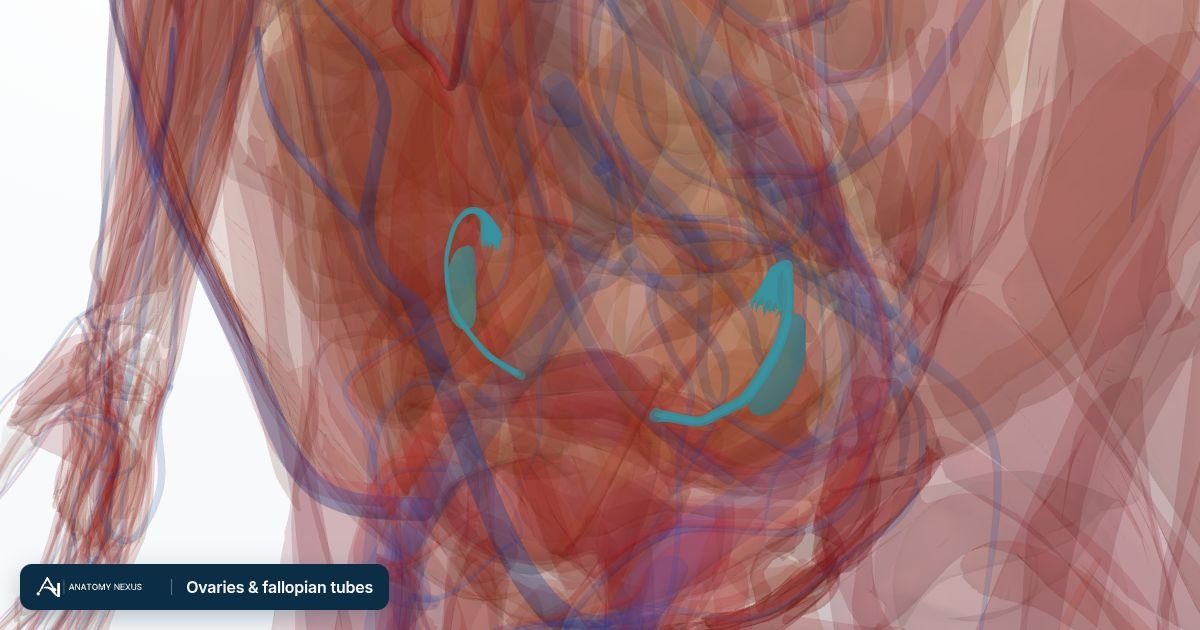
Overview
Perimenopause is the time when someone has symptoms of the menopause but their periods have not yet stopped. Menopause is when periods stop altogether. The NHS says menopause usually affects women between the ages of 45 and 55, but it can happen earlier. Symptoms can start months or years before periods stop, and some, such as joint pain and vaginal dryness, can continue afterwards. Hormone replacement therapy is the main treatment, and other options exist for people who cannot or do not want to use it.
Causes
- The ovaries make less of the hormone oestrogen and no longer release an egg each month.
- Surgery to remove both ovaries causes menopause straight away.
- Chemotherapy or radiotherapy can affect the ovaries and bring on menopause.
- For many people who have an early menopause, no cause can be found.
Risk factors
- A family history of early menopause is linked with a higher chance of it.
- Starting periods early is linked with early menopause.
- Smoking is linked with early menopause.
- Being underweight is linked with early menopause.
Symptoms
What a clinician may find
- Periods that become irregular or less frequent, which is often the first sign of perimenopause.
- Vaginal dryness, which can continue after periods stop.
Complications
- Early menopause raises the chance of bone and heart problems.
- Major bone loss in women happens with the loss of oestrogen at the menopause.
Diagnosis
The NHS says menopause is usually diagnosed in women over 45. For early menopause, a GP may use symptoms, family history and blood tests to check hormone levels.
Treatment
Hormone replacement therapy (HRT) is the main treatment for menopause and perimenopause symptoms. If HRT is unsuitable or not wanted, options include cognitive behavioural therapy (CBT), and a doctor may suggest clonidine or an antidepressant. Herbal remedies and compounded bioidentical hormones are not recommended for menopause symptoms, according to NHS guidance.
Prevention
Natural menopause is a change linked to ageing, so it is not something that can be prevented. Women's Health Concern lists exercise, sunshine and a balanced diet as the basis for bone health.
Key facts
| Fact | Detail |
|---|---|
| Also called | Perimenopause is the stage before periods stop. |
| Usually affects | Women, usually between the ages of 45 and 55 according to the NHS. |
| Main sign | Periods that become irregular and then stop. |
| Usually diagnosed by | A doctor, usually in women over 45 according to the NHS. |
| Main treatment | Hormone replacement therapy, with other options if it is unsuitable. |
| Who to contact | A GP appointment. |
What are perimenopause and menopause?
Perimenopause is the time when someone has symptoms of the menopause but their periods have not stopped. Menopause is when periods stop altogether. The NHS says periods usually become less frequent over a few months or years before they stop altogether. For some people, periods can stop suddenly. Perimenopause can last from months to years. The NHS also says someone reaches menopause once they have not had a period for 12 months.
NHS inform Scotland describes menopause as a change in hormone balance linked to ageing. It says the ovaries make less of the hormone oestrogen and no longer release an egg each month. The NHS says menopause usually affects women between the ages of 45 and 55, but it can happen earlier. Early menopause can follow surgery to remove the ovaries or cancer treatment. The NHS describes the first sign of perimenopause as often being irregular periods, which may come more or less often and be heavier or lighter than before.
What are the symptoms?
A change in the usual pattern of periods is often the first sign of perimenopause. For example, periods may become irregular. The NHS lists mood changes such as low mood, anxiety and low self-esteem among the common symptoms. It also lists poor memory and problems with concentration.
Physical symptoms include hot flushes, sleep problems, palpitations, and headaches or migraines that are worse than usual. Muscle aches and joint pains, skin changes and reduced sex drive are also listed. Joint pain and vaginal dryness can continue after periods stop. Symptoms can last for months or years, and they can change over time. Women's Health Concern says that sleep problems are very common in the menopause transition. Vaginal dryness can also make sex uncomfortable for some women, according to NHS inform Scotland. Bleeding after sex can also be a sign of a health condition, and NHS inform Scotland advises contacting a GP about it.
How are they diagnosed?
The NHS says menopause is usually diagnosed in women over 45. The NHS advises contacting a GP for anyone who thinks they have symptoms of menopause or perimenopause and wants to know the options. It says early advice can help reduce the effects on health, relationships and work.
For early menopause, a GP may use symptoms, family history and blood tests to check hormone levels. The NHS also advises contacting a GP about palpitations, or if bleeding has changed so that it is heavier than before. Bleeding after the menopause needs to be checked by a GP, even if it happens once or is only spotting. Bleeding of this kind can be due to thinning of the womb lining, and less often to womb cancer. NICE updated its menopause guideline in 2024 and says it clarified when to refer people to a healthcare professional with expertise in menopause, fertility, or both.
What is hormone replacement therapy?
Hormone replacement therapy, or HRT, is the main treatment for menopause and perimenopause symptoms. The NHS describes it as an effective treatment for most people going through menopause and perimenopause. It also says HRT can help prevent thinning of the bones, which can lead to fracture (osteoporosis). For people under 60 who have symptoms and are not at high risk of breast cancer or blood clots, the NHS says the benefits are likely to outweigh the risks.
NHS 111 Wales says combined HRT, which contains oestrogen and progestogen, is associated with a small increased risk of breast cancer. NHS guidance says this risk rises the longer HRT is taken and falls after it is stopped. The Wales page says the breast cancer risk is linked to all types of HRT except vaginal oestrogen. The NHS says HRT tablets can increase the risk of blood clots, although the risk is very low. It says patches or gels carry no increased risk of blood clots. The NHS says the decision depends on age, symptoms and personal risk factors.
What other treatments and self-care are described?
If HRT does not work, cannot be taken or is not wanted, the NHS says other types of treatment are available. These include cognitive behavioural therapy (CBT). NICE added menopause-specific CBT in its 2024 update of guideline NG23. It says this can be considered for hot flushes and night sweats, including alongside HRT or when someone prefers not to take HRT. Clonidine is a prescription medicine that can help reduce hot flushes and night sweats. Antidepressants are used for mood symptoms in people diagnosed with depression or anxiety.
Fezolinetant is a non-hormonal medicine taken by mouth for moderate to severe hot flushes and night sweats. MedlinePlus says it blocks a brain chemical called neurokinin B from binding to its receptors in the hypothalamus. NICE guidance covers its use when HRT is unsuitable. Herbal remedies such as red clover and black cohosh have no strong evidence that they work, according to the NHS. Women's Health Concern describes weight-bearing exercise as any exercise on the feet or legs that works against gravity. It stresses regular activity for bone health and lists exercise, sunshine and a balanced diet as the basis of bone health.
What is early or premature menopause?
Early menopause is when regular periods stop before the age of 45. Premature menopause is when this happens before the age of 40, and it is also called premature ovarian insufficiency. It can be natural or be caused by treatment, such as radiotherapy or surgery to remove the ovaries. For most people, no cause can be found.
Early menopause raises the chance of bone and heart problems. The NHS says it is important to replace the missing hormones when menopause starts before 45. The main treatments are the combined contraceptive pill or HRT, and lifestyle changes can also help. Fertility may be affected. The British Menopause Society advises that bone density assessment should be considered when premature ovarian insufficiency is diagnosed. It also says HRT may improve bone health and heart markers more than the combined oral contraceptive pill.
Frequently asked questions
At what age does menopause usually happen?
The NHS says menopause usually affects women between the ages of 45 and 55, but it can happen earlier. Periods usually become less frequent over a few months or years before they stop altogether. For some people, periods can stop suddenly. Early menopause is when periods stop before the age of 45.
Is HRT the only treatment for menopause symptoms?
HRT is the main treatment, but it is not the only one. If it is unsuitable or not wanted, the NHS says other treatments are available. These include cognitive behavioural therapy, and a doctor may suggest clonidine or an antidepressant. Herbal remedies and compounded bioidentical hormones are not recommended, according to NHS guidance.
How is menopause diagnosed?
The NHS says menopause is usually diagnosed in women over 45. For early menopause, a GP may use symptoms, family history and blood tests to check hormone levels. The NHS advises contacting a GP for anyone who thinks they have symptoms and wants to know the options. It says early advice can help reduce the effects on health, relationships and work.
Can symptoms carry on after periods stop?
Yes, some symptoms can. The NHS says joint pain and vaginal dryness can continue after periods stop. Symptoms can last for months or years, and they can change over time. A GP appointment is the route to discuss the options.
When should someone see a GP about menopause?
The NHS advises contacting a GP for anyone who thinks they have symptoms of perimenopause or menopause and wants to know the options. The NHS also advises contacting a GP about any vaginal bleeding after a year without a period. It also advises contacting a GP about palpitations. Early advice can help reduce the effects on health, relationships and work.
Connected pages in detail
What each linked page on Anatomy Nexus covers, in a line, for Menopause and perimenopause.
Conditions
- Osteoporosis Loss of bone mass and deterioration of bone architecture that makes bones fragile and prone to fracture after minimal trauma.
- Breast cancer A malignant tumour arising from the cells that line the ducts or lobules of the breast.
Symptoms
- Headache Pain felt anywhere in the head.
- Joint pain Pain in one or more joints.
Medical tests
- Hormone tests Blood levels of hormones and related chemicals, interpreted against the time of day.
Imaging
- DXA scan (bone density) A quick, very low-dose X-ray measurement of bone mineral density at the hip and spine, reported as a T-score.