



Vertigo and balance problems
Also known as: vertigo, BPPV, benign paroxysmal positional vertigo, Meniere's disease, Ménière's disease, spinning sensation, balance disorder
Vertigo is the feeling that you, or the world around you, is moving or spinning, and it is often caused by a problem in the inner ear.
When to seek care
Call 999 or go to A&E for double or lost vision, hearing loss, difficulty speaking, or weakness, numbness or tingling in the limbs with vertigo. An urgent GP appointment or NHS 111 is advised by the NHS when vertigo comes with a severe headache, sickness or a high temperature. A routine GP appointment is advised if vertigo will not go away or keeps coming back.
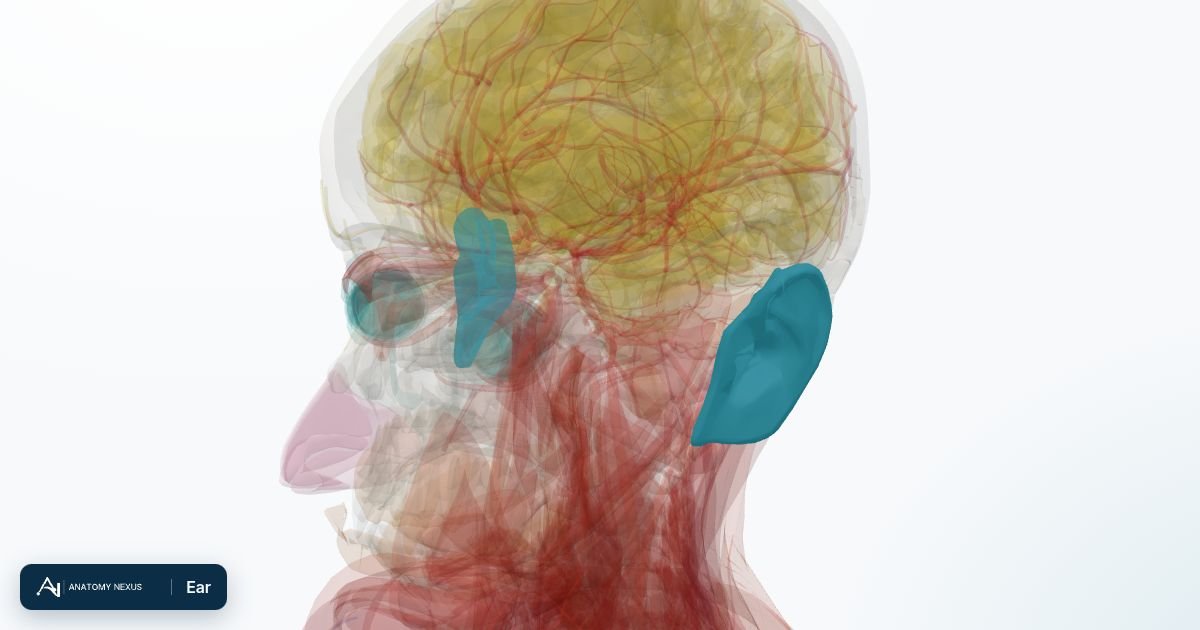
Overview
The NHS describes vertigo as a symptom rather than a condition in itself. Inner ear problems, which affect balance, are the most common causes, and the NHS lists benign paroxysmal positional vertigo (BPPV), labyrinthitis, vestibular neuritis and Ménière's disease among them. BPPV causes brief, intense spells of vertigo triggered by a change in head position, while Ménière's disease involves episodes of vertigo with hearing loss, tinnitus and a feeling of fullness in the ear. Most people with vertigo improve without treatment, and treatment depends on the cause.
Causes
- Inner ear problems, which affect balance, are the most common causes of vertigo.
- Common causes listed by the NHS are BPPV, labyrinthitis, vestibular neuritis and Ménière's disease.
- In BPPV, loose otoconia tumble into one of the semicircular canals and affect how the cupula works.
- The cause of Ménière's disease is unknown according to MedlinePlus, and the NIDCD says theories about the cause vary.
Symptoms
What a clinician may find
- Involuntary eye movements called nystagmus, with vertigo, when the Dix-Hallpike head-position test is carried out in BPPV
Complications
- BPPV can recur, and in some people it becomes a persistent or recurrent problem
- Hearing loss in Ménière's disease
Diagnosis
BPPV is diagnosed mainly from the history of symptoms and from typical findings on the Dix-Hallpike manoeuvre, a head-position test. For Ménière's disease, no single test confirms the diagnosis, which rests on the pattern of recurring attacks and hearing tests. For suspected Ménière's disease, the NHS says a GP will check the ears, head and neck.
Treatment
Treatment depends on the cause; for vertigo in general the NHS says antihistamines can sometimes help and balance exercises may be recommended. BPPV often settles by itself or with canalith repositioning manoeuvres done in a clinic. Ménière's disease cannot be cured, but treatment can help the symptoms, and the NIDCD says diet changes, stopping smoking and anti-vertigo or anti-nausea medicines may be recommended. NHS 111 Wales says surgery on the inner ear is rarely offered, when symptoms are hard to control.
Prevention
The NHS suggests lifestyle changes such as drinking plenty of fluids, avoiding caffeine, not smoking and not drinking alcohol can help manage Ménière's disease.
Key facts
| Fact | Detail |
|---|---|
| Also called | Vertigo, BPPV, Ménière's disease, spinning sensation |
| What it feels like | A sense that you or the surroundings are moving or spinning |
| Most common causes | Inner ear problems, including BPPV, labyrinthitis, vestibular neuritis and Ménière's disease |
| BPPV triggers | Specific changes in head position |
| Ménière's disease | Cannot be cured, but treatment can help the symptoms |
| Usually diagnosed by | History and examination, including head-position tests for BPPV |
What is vertigo, and what causes it?
Vertigo is the feeling that you, or the environment around you, is moving or spinning. The NHS describes it as a symptom rather than a condition in itself. Attacks can be short, and sometimes they last much longer. Inner ear problems, which affect balance, are the most common causes. The NHS lists benign paroxysmal positional vertigo (BPPV), labyrinthitis, vestibular neuritis and Ménière's disease as common causes.
The NHS describes BPPV as one of the most common causes of vertigo. Most people with vertigo improve without treatment, and what is done depends on the cause. This page looks mainly at BPPV and Ménière's disease, two inner ear conditions that the NHS and the US National Institute on Deafness and Other Communication Disorders (NIDCD) describe.
What is BPPV and how does it feel?
The NIDCD describes BPPV as a brief, intense episode of vertigo triggered by a specific change in the position of the head. The NHS likewise says specific head movements can bring on the vertigo. The NIDCD gives examples such as bending down, tilting the head to look up or over a shoulder, or rolling over in bed. It says BPPV can follow a head injury or develop simply with age.
An NIDCD handout explains that the condition arises when loose otoconia tumble into one of the semicircular canals and affect how the cupula works. Otoconia are tiny crystals in the inner ear, and the semicircular canals are the fluid-filled loops that sense head movement. A medical review says BPPV is frequently resolved on its own or through canalith repositioning manoeuvres carried out in a clinic. StatPearls, an online medical reference, describes the overall outlook as favourable. The review adds that the course can range from a problem that is treated simply to one that persists or recurs and causes disability. NICE guideline NG127 notes that BPPV is common after a head injury or labyrinthitis.
What is Ménière's disease?
The NIDCD describes Ménière's disease as episodes of vertigo, hearing loss, tinnitus (a ringing or buzzing in the ear) and a feeling of fullness in the ear. The NHS lists feeling that you or everything around you is spinning, losing your balance and hearing loss among the symptoms.
An NHS Lanarkshire page says attacks usually last a few hours. It adds that the symptoms can be very troublesome and worrying. The NIDCD links Ménière's disease with a fluid imbalance in the labyrinth, a part of the inner ear, caused by a build-up of a fluid called endolymph. It says theories vary about what causes the condition, and MedlinePlus says the cause is unknown. The NHS says Ménière's disease cannot be cured, but treatment can help with the symptoms.
How is vertigo diagnosed?
For BPPV, diagnosis rests mainly on the history of symptoms and on typical findings during the Dix-Hallpike manoeuvre, a head-position test. NICE Clinical Knowledge Summaries (CKS) says posterior canal BPPV is diagnosed if the manoeuvre provokes vertigo and torsional, upbeating nystagmus, which means involuntary eye movements. NICE guideline NG127 recommends offering the Hallpike manoeuvre to adults with brief rotational vertigo triggered by head movement, if a trained health professional is available, and offering canalith repositioning if BPPV is diagnosed.
For Ménière's disease, no single test confirms the diagnosis. It rests on the pattern of recurring attacks and on hearing tests, and diagnostic criteria require more than one episode of vertigo. The NHS says a GP will check the ears, head and neck when Ménière's disease is suspected. NG127 also asks clinicians to be alert to vestibular migraine, which is migraine-associated vertigo, in adults with episodes of dizziness lasting from 5 minutes to 72 hours and a history of recurrent headache. For sudden-onset acute vestibular syndrome, NG127 advises immediate referral unless BPPV or postural hypotension explains the problem.
How are BPPV and Ménière's disease treated?
The NHS says treatment for vertigo depends on the cause. It adds that antihistamines can sometimes help and that balance exercises may be recommended. For BPPV, NHS patient leaflets describe the Epley manoeuvre, a series of four head movements, as a treatment. NICE guideline NG127 recommends offering canalith repositioning when BPPV is diagnosed, if a trained health professional is available.
For Ménière's disease, the NHS says treatment mainly eases symptoms, with medicines for dizziness and nausea, and that tinnitus may also need treatment. The NIDCD says a specialist ear, nose and throat doctor (otolaryngologist) may recommend changes to diet and, for smokers, stopping smoking. It adds that anti-vertigo or anti-nausea medicines may relieve symptoms, though they can cause drowsiness. NHS 111 Wales says surgery on the inner ear is rarely offered, when symptoms are hard to control.
Self-care, living with vertigo and when to get help
For vertigo attacks, the NHS suggests lying still in a dark room, sitting down as soon as dizziness begins, and getting up slowly after lying down. It also suggests a walking stick for people at risk of falling. For Ménière's disease, the NHS says drinking lots of fluids, avoiding caffeine, not smoking and not drinking alcohol can help manage it.
A routine GP appointment is advised by the NHS if vertigo does not go away or keeps coming back. An urgent GP appointment or a call to NHS 111 is advised if vertigo comes with a severe headache, sickness or a high temperature. Call 999 or go to A&E if vertigo comes with double or lost vision, hearing loss, difficulty speaking, or weakness, numbness or tingling in the limbs.
Frequently asked questions
Is vertigo the same as dizziness?
Vertigo is the feeling that you or your surroundings are moving or spinning. The NHS describes it as a symptom rather than a condition in itself. Inner ear problems are the most common causes, and the NHS lists BPPV, labyrinthitis, vestibular neuritis and Ménière's disease. Treatment depends on the cause, and most people improve without treatment.
Does BPPV go away on its own?
A medical review says BPPV is frequently resolved on its own or through canalith repositioning manoeuvres done in a clinic. StatPearls describes the overall outlook as favourable, and the review notes that the problem can persist or recur in some people. The NHS advises a routine GP appointment if vertigo will not go away or keeps coming back.
Can Ménière's disease be cured?
The NHS says Ménière's disease cannot be cured, but treatment can help with the symptoms. MedlinePlus says the cause is unknown, and the NIDCD says theories about the cause vary. Treatment may include diet changes, stopping smoking and medicines for vertigo or nausea, according to the NIDCD. NHS 111 Wales says surgery is rarely offered.
What is the difference between BPPV and Ménière's disease?
The NIDCD describes BPPV as a brief, intense episode of vertigo triggered by a specific change in head position. It describes Ménière's disease as episodes of vertigo with hearing loss, tinnitus and a feeling of fullness in the ear. The NHS also lists loss of balance and hearing loss among the symptoms of Ménière's disease.
When should vertigo be treated as an emergency?
The NHS says to call 999 or go to A&E if vertigo comes with double or lost vision, hearing loss, difficulty speaking, or limb weakness, numbness or tingling. An urgent GP appointment or NHS 111 is advised for vertigo with a severe headache, sickness or a high temperature.
Connected pages in detail
What each linked page on Anatomy Nexus covers, in a line, for Vertigo and balance problems.
Conditions
- Migraine A recurrent headache disorder with attacks of moderate to severe throbbing pain, typically one-sided, lasting 4 to 72 hours.
- Stroke Sudden loss of brain function because blood supply to part of the brain is interrupted, by a blocked artery (ischaemic.
Symptoms
- Dizziness An umbrella word for several sensations: vertigo (the room spins, an inner-ear or brain problem), light-headedness (about to faint.