



Ezetimibe
Also known as: Ezetrol
Ezetimibe is a prescribed cholesterol-lowering medicine that works by reducing how much cholesterol the gut absorbs. It is used on its own when a statin cannot be taken or has not worked, and it can also be added to a statin. Unexplained muscle pain, tenderness or weakness, or yellowing of the skin or eyes, needs a doctor or NHS 111 straight away.
- Generic name
- Ezetimibe
- Active ingredient
- Ezetimibe
- Product type
- Small-molecule medicine
- Drug class
- Cholesterol absorption inhibitors
- Brand names
- UK Ezetrol · US Zetia
- Routes
- Oral
- Dosage forms
- Tablet
- Also known as
- Ezetrol
- Onset and duration
- The NHS says ezetimibe usually lowers cholesterol levels within 2 weeks. If it is stopped without another treatment, the NHS says cholesterol may go up again.
- Monitoring
- When ezetimibe is taken with a statin, UK product information says liver function is checked when treatment starts and then as recommended for the statin. Cholesterol levels are measured with a blood test called a lipid profile.
Availability by country
| Country | Status | Note | Source |
|---|---|---|---|
| UK | Prescription only | UK |
Legal status differs between countries and can change; each row cites the document it was taken from and applies only to the country named.
What it is used for
- Lowering cholesterol.
- Lowering cholesterol in people who cannot take statins or for whom a statin has not worked.
- Lowering cholesterol further when prescribed together with a statin.
- NICE technology appraisal TA385 describes it as an option for primary (heterozygous-familial or non-familial) hypercholesterolaemia in adults, alone when a statin is contraindicated or not tolerated, or added to a statin when cholesterol remains inadequately controlled.
How it works in the body
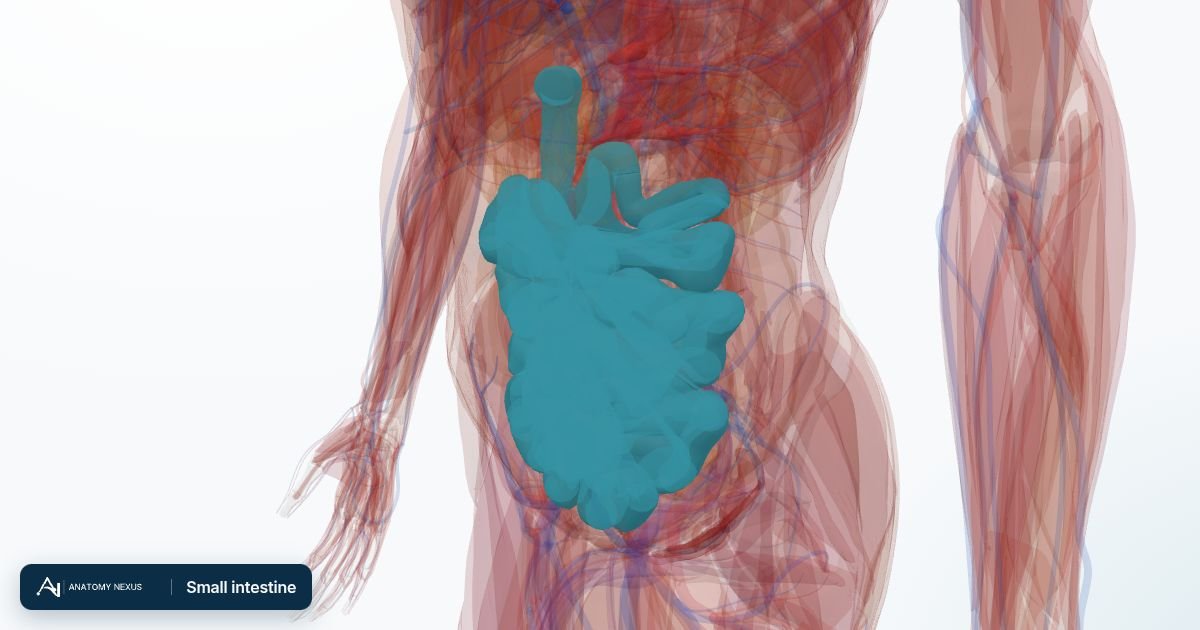
Heart UK says ezetimibe partly blocks the absorption of cholesterol in the small intestine. Research reviews describe it as acting on a protein called NPC1L1 in the lining of the small intestine, which helps move cholesterol from the gut into the body. Heart UK says ezetimibe works in a different way from statins, and that the two are often combined because their effects add up.
Common side effects
- Stomach pain and diarrhoea are common side effects, and the NHS also lists extra wind and tiredness.
- The NHS says these common side effects affect more than 1 in 100 people.
- When ezetimibe is taken with a statin, Heart UK lists muscle pain, headaches and moderately raised liver enzymes among the most common effects.
- The NHS says ezetimibe does not affect contraception, but severe diarrhoea lasting more than 24 hours may make contraceptive pills less reliable.
Serious: seek help
- Unexplained muscle pain, tenderness, weakness or cramps are listed by the NHS as serious side effects, and the NHS advises contacting a doctor or NHS 111 straight away.
- Yellowing of the skin or eyes (with pale poo and dark pee) can be a sign of liver trouble, and severe pain just under the ribs can point to pancreas trouble; the NHS advises contacting a doctor or NHS 111 straight away.
- Sudden swelling of the lips, mouth, throat or tongue, trouble breathing or a severe rash may be a serious allergic reaction (anaphylaxis) and needs a 999 call.
Cautions and interactions
- The NHS asks people to tell their doctor about any previous allergic reaction to ezetimibe or another medicine, liver problems, pregnancy, planning a pregnancy or breastfeeding.
- The NHS says ezetimibe is not usually recommended in pregnancy, mainly because there is limited safety information, although specialists may prescribe it when cholesterol is very high.
- On breastfeeding, the NHS says ezetimibe may be acceptable and that a doctor or pharmacist may advise against it; an NHS Specialist Pharmacy Service article says it can be used with caution, while UK product information says it should not be used during lactation.
- UK patient leaflets advise against combining ezetimibe with a statin in current liver problems, in pregnancy or when breastfeeding, and say ezetimibe alone is not recommended in moderate or severe liver problems.
- The NHS lists other cholesterol-lowering medicines such as bezafibrate and colestyramine as medicines to mention to a doctor before starting ezetimibe.
- UK product information for ezetimibe tablets advises caution when starting ezetimibe with ciclosporin, with ciclosporin levels monitored, and close INR monitoring when it is added to a warfarin-type anticoagulant.
- A UK patient leaflet lists ciclosporin and fibrates among medicines to tell a doctor about, and says colestyramine affects how ezetimibe works.
- The NHS says complementary medicines, herbal remedies and supplements are not tested in the same way as pharmacy and prescription medicines, and are generally not tested for their effect on other medicines.
Interactions
Check interactions
Taking Ezetimibe with other medicines? Add them to the checker to see what the official sources say about each pair: the mechanism, general management and monitoring, never a bare "safe".
Interactions documented in the official sources cited on each card. The list covers the medicines represented on this site and is not exhaustive; how the interaction data is compiled.
No pair records for this medicine are in the sources currently represented by Anatomy Nexus. Absence from this list does not mean no interaction exists.
Same-class and related medicines
Related medicines
Medicines often discussed alongside Ezetimibe: used together, compared with it, or acting on the same problem by a different route.
Key facts
| Fact | Detail |
|---|---|
| UK brand name | Ezetrol |
| Type | Cholesterol absorption inhibitor, prescribed as tablets |
| Form | Tablets |
| Works by | Partly blocking cholesterol absorption in the small intestine |
| Often used | Alone when a statin cannot be taken or has not worked, or together with a statin |
| Treatment length | Usually for life, according to the NHS |
| Needs a doctor or NHS 111 straight away | Unexplained muscle pain, tenderness or weakness, and yellowing of the skin or eyes |
What is ezetimibe used for?
Ezetimibe is a cholesterol-lowering medicine that is prescribed by a doctor and comes as tablets. The NHS says it may be prescribed to people who cannot take statins, or for whom a statin has not worked. It can also be prescribed together with a statin to lower cholesterol further. NICE technology appraisal TA385 recommends ezetimibe on its own as an option for adults with primary hypercholesterolaemia, which includes familial and non-familial types, when a statin is contraindicated or not tolerated. The same guidance allows it to be added to a statin when cholesterol remains inadequately controlled despite adjusting the statin dose, or when the dose is limited by intolerance, and a change to a different statin is being considered. NICE guideline NG238 also covers ezetimibe for adults when statins are contraindicated or, after documented discussion of the strategies in the guideline, the person cannot tolerate statins of any intensity or dose. High cholesterol can contribute to fatty deposits in artery walls, which raises the risk of heart attack and stroke. The NHS says treatment with ezetimibe is usually for life.
How does ezetimibe work?
Heart UK says ezetimibe partly blocks the absorption of cholesterol in the small intestine. Research reviews describe it as acting on a protein called NPC1L1 in the lining of the small intestine, which helps move cholesterol from the gut into the body. Heart UK says ezetimibe works in a different way from statins, and that the two are often combined because their effects add up. The NHS says ezetimibe usually lowers cholesterol levels within 2 weeks. If it is stopped without another treatment, the NHS says cholesterol may go up again.
What are the side effects of ezetimibe?
Stomach pain and diarrhoea are common side effects, and the NHS also lists extra wind and tiredness. The NHS says these common side effects affect more than 1 in 100 people. When ezetimibe is taken with a statin, Heart UK lists muscle pain, headaches and moderately raised liver enzymes among the most common effects. The NHS says serious side effects are rare, happening in fewer than 1 in 10,000 people. Unexplained muscle pain, tenderness, weakness or cramps are listed by the NHS as serious side effects, and the NHS advises contacting a doctor or NHS 111 straight away. Yellowing of the skin or eyes (with pale poo and dark pee) can be a sign of liver trouble, and severe pain just under the ribs can point to pancreas trouble; the NHS advises contacting a doctor or NHS 111 straight away. Sudden swelling of the lips, mouth, throat or tongue, trouble breathing or a severe rash may be a serious allergic reaction (anaphylaxis) and needs a 999 call. The NHS says ezetimibe does not affect contraception, but severe diarrhoea lasting more than 24 hours may make contraceptive pills less reliable.
Taking ezetimibe with statins and other medicines
The NHS lists other cholesterol-lowering medicines such as bezafibrate and colestyramine as medicines to mention to a doctor before starting ezetimibe. UK product information for ezetimibe tablets advises caution when starting ezetimibe with ciclosporin, with ciclosporin levels monitored, and close INR monitoring when it is added to a warfarin-type anticoagulant. A UK patient leaflet lists ciclosporin and fibrates among medicines to tell a doctor about, and says colestyramine affects how ezetimibe works. The NHS says complementary medicines, herbal remedies and supplements are not tested in the same way as pharmacy and prescription medicines, and are generally not tested for their effect on other medicines. UK product information says most people who developed rhabdomyolysis after ezetimibe came to market were taking a statin or another medicine linked with a higher risk, such as a fibrate. Rhabdomyolysis is a serious breakdown of muscle tissue.
Who needs extra care, and what is checked?
The NHS says ezetimibe is not suitable for everyone, and asks people to tell their doctor about earlier allergic reactions, liver problems, pregnancy, planning a pregnancy or breastfeeding. The NHS says ezetimibe is not usually recommended in pregnancy, mainly because there is limited safety information, although specialists may prescribe it when cholesterol is very high. UK patient leaflets advise against combining ezetimibe with a statin in current liver problems, in pregnancy or when breastfeeding, and say ezetimibe alone is not recommended in moderate or severe liver problems. On breastfeeding, the NHS says ezetimibe may be acceptable and that a doctor or pharmacist may advise against it; an NHS Specialist Pharmacy Service article says it can be used with caution, while UK product information says it should not be used during lactation. When ezetimibe is taken with a statin, UK product information says liver function is checked when treatment starts and then as recommended for the statin.
Frequently asked questions
Can ezetimibe be taken instead of a statin?
The NHS says ezetimibe may be prescribed to people who cannot take statins, or for whom a statin has not worked. NICE technology appraisal TA385 recommends it on its own as an option for adults with primary hypercholesterolaemia when a statin is contraindicated or not tolerated. The NHS says treatment with ezetimibe is usually for life.
Is ezetimibe taken with a statin?
The NHS says ezetimibe can be used alongside a statin for people who need extra help lowering cholesterol. NICE technology appraisal TA385 allows it as an add-on when cholesterol remains inadequately controlled despite adjusting the statin dose, or when the dose is limited by intolerance.
Does ezetimibe cause muscle pain?
Heart UK lists muscle pain among the most common side effects when ezetimibe is taken with a statin. The NHS lists unexplained muscle pain, tenderness, weakness or cramps as serious side effects and advises contacting a doctor or NHS 111 straight away. UK product information says most people who developed rhabdomyolysis, a serious muscle breakdown, were taking a statin or another medicine linked with a higher risk.
Can ezetimibe be used in pregnancy or while breastfeeding?
The NHS says ezetimibe is not usually recommended in pregnancy, mainly because there is limited safety information, although specialists may prescribe it when cholesterol is very high. On breastfeeding, the NHS says it may be acceptable and that a doctor or pharmacist may advise against it; an NHS Specialist Pharmacy Service article says it can be used with caution, while UK product information says it should not be used during lactation. The NHS asks anyone who is pregnant, planning a pregnancy or breastfeeding to tell their doctor.
Connected pages in detail
What each linked page on Anatomy Nexus covers, in a line, for Ezetimibe.
Conditions
- Coronary artery disease Narrowing of the coronary arteries by fatty plaque (atherosclerosis), limiting blood flow to the heart muscle.
- Heart attack (myocardial infarction) Death of heart muscle because a coronary artery is suddenly blocked, usually by a clot forming on a ruptured plaque.
- Stroke Sudden loss of brain function because blood supply to part of the brain is interrupted, by a blocked artery (ischaemic.
Medical tests
- Lipid profile Measures the fats carried in blood: total cholesterol, LDL ('bad', deposited in artery walls), HDL ('good'.
- Liver function tests A panel of enzymes and proteins that together show whether liver cells are injured, whether bile is flowing.
Medications
- Atorvastatin A high-intensity statin that lowers LDL cholesterol by blocking its production in the liver.
- Rosuvastatin A high-intensity statin that lowers LDL cholesterol by more, milligram for milligram, than any other statin.
Drug classes
- Cholesterol absorption inhibitors Cholesterol absorption inhibitors are medicines that lower cholesterol by partly blocking its absorption in the small intestine.