



Angina
Also known as: stable angina, unstable angina
Angina is chest pain or discomfort that happens when the heart muscle does not get enough blood.
When to seek care
Call 999 if chest pain does not ease after resting or after angina medicine, spreads to the arm, neck, jaw or back, or comes with sweating, nausea, light-headedness or breathlessness. For chest pain that goes away within a few minutes, the NHS advises an urgent GP appointment. Someone with chest pain on exertion that eases with rest and no diagnosis is advised to contact the GP practice.
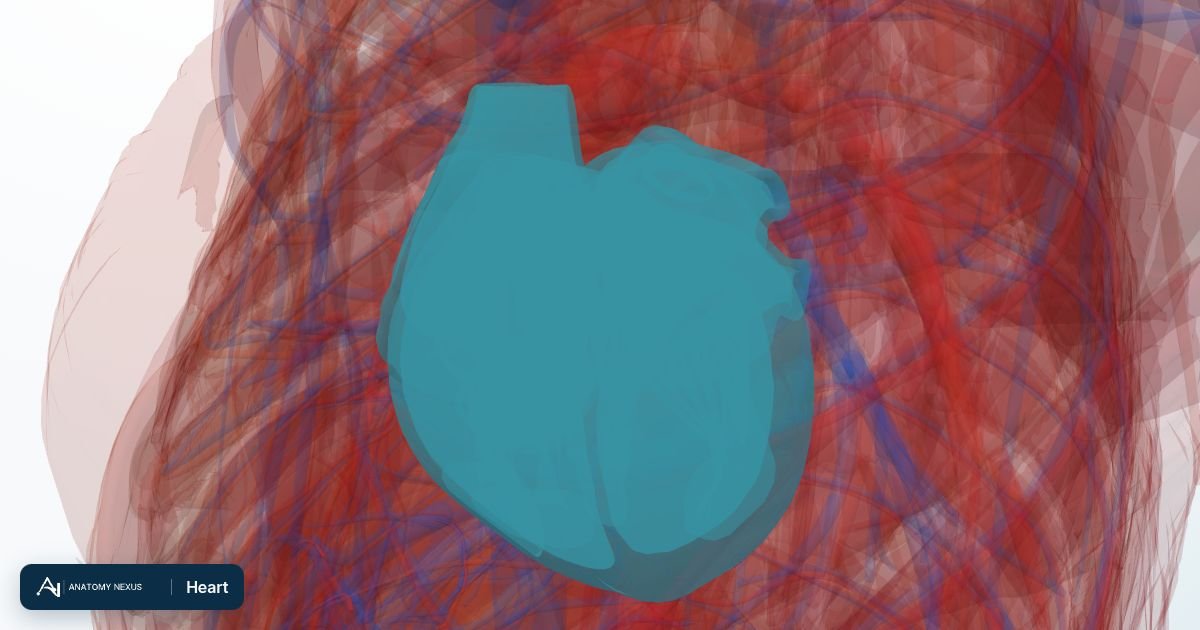
Overview
Angina is chest discomfort caused by reduced blood flow to the heart. The NHS says it is usually due to coronary heart disease, where fatty deposits narrow the arteries that supply the heart. It is often brought on by physical effort or stress and tends to ease within a few minutes of rest. The British Heart Foundation describes four main types: stable, unstable, vasospastic and microvascular angina. The NHS describes angina as a warning sign of a risk of serious problems such as heart attacks and strokes.
Causes
- Narrowing of the arteries that supply the heart muscle, usually from a build-up of fatty deposits (coronary heart disease).
- Spasm of a coronary artery, as in vasospastic angina.
Risk factors
- Smoking
- Lack of exercise
- An unhealthy diet
- High blood pressure or high cholesterol
- Diabetes
- Older age
- Family history
Symptoms
What a clinician may find
- A GP may check blood pressure, BMI and cholesterol when angina is suspected.
- An ECG records the heart's rhythm and electrical activity.
Complications
- Angina is a warning sign of a risk of serious problems such as heart attacks and strokes, according to the NHS.
- Unstable angina carries a higher risk of a heart attack, according to the BHF.
Diagnosis
A GP may check blood pressure, BMI and cholesterol and ask about symptoms and family history. If angina is suspected, NHS 111 Wales says the person is referred to a heart specialist (cardiologist). Hospital tests listed by the NHS include an ECG, an exercise ECG, coronary angiography and blood tests.
Treatment
The NHS describes three main approaches: medicines to relieve attacks, medicines to prevent attacks, and surgery. For stable angina, the usual approach is a medicine used during an attack, glyceryl trinitrate (GTN), with other medicines to prevent attacks and reduce heart risk. Some people need surgery, such as angioplasty with a stent or a coronary artery bypass graft.
Prevention
The BHF lists stopping smoking, staying active and keeping weight, cholesterol, blood pressure and diabetes under control as central to managing angina. The NHS says avoiding triggers such as stress, cold weather and large meals can help prevent attacks.
Key facts
| Fact | Detail |
|---|---|
| Main types | Stable, unstable, vasospastic and microvascular angina |
| Typical feeling | A tight, dull or heavy chest pain that can spread to the arms, neck, jaw or back |
| Usual cause | Narrowed arteries from a fatty build-up, as the NHS describes |
| First contact | A GP, who may refer to a cardiologist |
| Common medicines | GTN, beta blockers, aspirin and statins |
| Emergency route | Call 999 if chest pain does not ease after rest or angina medicine |
What does angina feel like?
Chest pain could be angina if it feels tight, dull or heavy, spreads to the arms, neck, jaw or back, is triggered by physical effort or stress, and stops within a few minutes of rest, according to the NHS. Some people also have breathlessness, nausea or tiredness. Stable angina typically lasts five minutes or less.
Angina is often set off by physical effort or stress and tends to ease with rest or angina medicine. The NHS says avoiding triggers such as stress, cold temperatures and large meals can help prevent attacks. The BHF notes that angina is not a mini heart attack and generally does not leave lasting damage. A heart attack is different: its symptoms usually last longer and are not relieved by rest or by GTN spray.
Angina and heart attack symptoms can overlap. The BHF says angina-like symptoms that do not settle with rest or GTN could be the start of a heart attack, and the NHS advises calling 999 for an ambulance if symptoms do not stop within a few minutes.
What are the different types of angina?
The BHF describes four main types of angina. Stable angina is the most common. It is typically brought on by exertion and generally eases with rest or medicine. Unstable angina is less predictable. It can occur at rest, may not respond well to medicine, and carries a higher risk of a heart attack, according to the BHF.
Vasospastic angina, also called Prinzmetal's angina or variant angina, is caused by a coronary artery going into spasm. It usually comes on at rest, often in the early morning or at night, and people with it typically do not get angina during exercise.
Microvascular angina, also called cardiac syndrome X, affects the smallest coronary arteries and tends to appear under physical or emotional stress. The BHF notes that it can occur alongside vasospastic angina.
How is angina diagnosed?
According to the NHS, assessment starts with a GP, who asks about symptoms, lifestyle and family history. The GP measures blood pressure, calculates body mass index (BMI) from weight and height, measures waist size and takes blood to check cholesterol. NHS inform says the checks can include blood tests for diabetes or anaemia.
If a GP thinks someone may have angina, NHS 111 Wales says the person is referred to a heart specialist, called a cardiologist. Hospital tests listed by the NHS include an ECG, an exercise ECG, coronary angiography and blood tests. An ECG is a test that checks the heart's rhythm and electrical activity.
The US National Heart, Lung, and Blood Institute notes that an ECG can help recognise types of angina and other serious heart problems, but the result may be normal even in someone who has angina. It also says tests can help rule out other conditions and show whether urgent medical attention is needed.
How is angina treated?
The NHS describes three main approaches: medicines to relieve attacks, medicines to prevent attacks, and surgery. Glyceryl trinitrate, known as GTN, is the usual medicine for an attack and comes as a mouth spray or tablets that dissolve under the tongue. The NHS says GTN works by widening blood vessels.
To prevent attacks, the NHS lists beta blockers, which slow the heart and reduce the force of its contraction, and calcium channel blockers, which widen the arteries. Low-dose aspirin, statins and ACE inhibitors are used to lower the risk of heart attack and stroke. NICE guidance for stable angina recommends offering either a beta blocker or a calcium channel blocker first, and says statin treatment is offered in line with its lipid guidance.
Some people need surgery. Coronary angioplasty with stenting widens a narrowed artery using a small tube called a stent. A coronary artery bypass graft reroutes blood around a blocked section using a vessel taken from elsewhere in the body. Common GTN side effects are headache, dizziness and facial flushing, and the NHS notes that stopping regular GTN may make angina worse.
When is chest pain an emergency?
The NHS says to call 999 if chest pain does not stop after resting for a few minutes or after taking angina medicine. It also lists pain that spreads to the arm, neck, jaw or back, and chest pain with sweating, nausea, light-headedness or shortness of breath, as reasons to call 999. The NHS advises against driving oneself to A&E.
For chest pain that has not been diagnosed, the NHS advises stopping and resting, and calling 999 for an ambulance if symptoms do not stop within a few minutes. If the pain goes away within a few minutes, the NHS advises making an urgent GP appointment. Someone with chest pain on exertion that eases with rest and no diagnosis is advised to contact the GP practice.
Because angina and heart attack symptoms overlap, the NHS says that anyone who is unsure should call 999 for an ambulance.
Frequently asked questions
Is angina the same as a heart attack?
No. The BHF says angina is not a mini heart attack and generally does not leave lasting damage. Angina usually eases within a few minutes of rest or GTN, while heart attack symptoms usually last longer and are not relieved by rest or GTN spray. Angina is also a signal of a greater risk of a heart attack, so the NHS advises calling 999 if symptoms do not stop within a few minutes.
Can angina be controlled?
The NHS says that with symptoms well controlled and healthy lifestyle changes, people can usually have a normal life with angina, and that with treatment symptoms should improve over time and may eventually stop. Treatment includes medicines to relieve and prevent attacks, and some people need surgery such as angioplasty or a bypass graft.
What does GTN do?
GTN (glyceryl trinitrate) is the usual medicine for an angina attack, according to the NHS. It comes as a mouth spray or tablets that dissolve under the tongue and works by widening blood vessels. The NHS lists headache, dizziness and facial flushing as common side effects, and notes that stopping regular GTN may make angina worse.
When should chest pain prompt a 999 call?
The NHS says to call 999 if chest pain does not stop after resting for a few minutes or after angina medicine, spreads to the arm, neck, jaw or back, or comes with sweating, nausea, light-headedness or shortness of breath. For chest pain that goes away within a few minutes, the NHS advises an urgent GP appointment. Anyone unsure whether symptoms are angina or a heart attack should call 999.
Connected pages in detail
What each linked page on Anatomy Nexus covers, in a line, for Angina.
Conditions
- Coronary artery disease Narrowing of the coronary arteries by fatty plaque (atherosclerosis), limiting blood flow to the heart muscle.
- Heart attack (myocardial infarction) Death of heart muscle because a coronary artery is suddenly blocked, usually by a clot forming on a ruptured plaque.
Symptoms
- Chest pain Pain or pressure anywhere between the neck and the upper abdomen.
- Shortness of breath The sensation of not getting enough air.
Medical tests
- Electrocardiogram Ten sticky electrodes on the chest and limbs record the heart's electrical activity from twelve angles over ten seconds.
- Cardiac stress test The heart is made to work hard, by treadmill or bicycle exercise or by a drug that mimics exercise, while its electrical activity.
Procedures
- Coronary angioplasty and stenting A balloon and stent passed through a catheter from the wrist or groin reopen a narrowed or blocked coronary artery.
- Coronary artery bypass grafting Open-heart surgery that bypasses blocked coronary arteries with the patient's own chest-wall artery and leg vein or arm artery.
Medications
- Glyceryl trinitrate A fast-acting nitrate spray or tablet under the tongue that widens veins and coronary arteries to relieve an angina attack within minutes.
- Aspirin A low-dose antiplatelet that stops platelets clumping into clots, used long term after heart attacks and strokes.
- Atorvastatin A high-intensity statin that lowers LDL cholesterol by blocking its production in the liver.
- Bisoprolol A once-daily beta blocker that selectively slows the heart and lowers its workload, used for heart failure, angina.
Guides and news
- Coronary angiogram: what happens and risks A coronary angiogram is an X-ray test that uses dye to show narrowed or blocked heart arteries.