



Diverticulitis and diverticular disease
Also known as: diverticulosis, diverticula, Diverticular disease and diverticulitis
Diverticular disease is a condition in which small pouches in the wall of the large intestine cause symptoms, and diverticulitis is when those pouches become inflamed or infected.
When to seek care
Call 999 or go to A&E for severe tummy pain with vomiting, a swollen tummy, being unable to pass stool or wind, heavy bleeding from the bottom, or signs of sepsis such as confusion, pale or blotchy skin or fast breathing. An urgent GP appointment or NHS 111 is advised for blood or mucus in the stool, tummy pain that is getting worse or not going away, a high temperature, or repeated vomiting that stops fluids staying down.
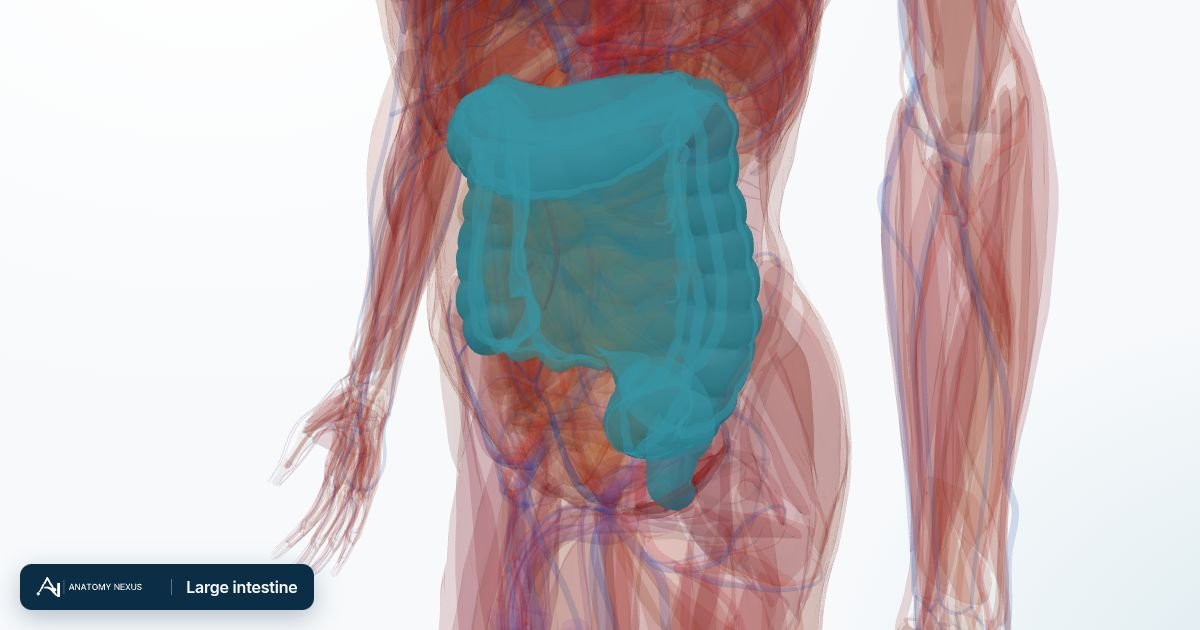
Overview
Diverticula are small pouches that bulge out of the wall of the large intestine. Pouches are common as people get older, and most people with them have no symptoms. When the pouches cause symptoms, doctors use the term diverticular disease. Diverticulitis, in which the pouches become inflamed or infected, most often causes abdominal pain, which is usually severe. Possible complications include an abscess, a blockage, a hole in the bowel, bleeding and fistulas.
Causes
- Small pouches form and bulge out of the wall of the large intestine.
- Experts are not sure what causes diverticular disease and diverticulitis.
- Diverticulitis happens when the pouches become inflamed or infected.
Risk factors
- Getting older
- A diet low in fibre and high in red meat, which may be linked to higher risk
- Lack of physical activity
- Regular use of NSAID painkillers
- Obesity
- Smoking
- Genes may make some people more likely to develop the disease
Symptoms
What a clinician may find
- A high temperature
- Blood in the stool
- In severe illness, signs of sepsis such as confusion or pale, blotchy skin
Complications
- Bleeding
- An abscess, a pus-filled cavity
- A hole (perforation) in the bowel
- A blockage of the bowel
- A fistula, an abnormal connection between the bowel and another organ such as the bladder
Diagnosis
Doctors review the person's history, carry out a physical examination and order tests. Doctors may order blood tests, a stool test, imaging tests (typically a CT scan) and a colonoscopy, which may be recommended to confirm a diagnosis and rule out other conditions such as cancer. NICE offers a full blood count and C-reactive protein test to people with suspected complicated diverticulitis who are referred for same-day hospital assessment.
Treatment
The NHS says a high-fibre diet can often ease symptoms of diverticular disease, and paracetamol can be used to relieve pain. Mild diverticulitis can usually be treated at home with antibiotics prescribed by a GP, and more serious cases may need hospital care, usually with intravenous antibiotics. Surgery to remove the affected section of bowel is sometimes recommended after serious complications, although this is rare.
Prevention
The NHS lists increasing fibre slowly, drinking plenty of water, stopping smoking and keeping a healthy weight among the things people can do. MedlinePlus says whether a low-fibre diet leads to this problem is not well proven.
Key facts
| Fact | Detail |
|---|---|
| Where it occurs | The large intestine (bowel) |
| The pouches | Small pouches called diverticula; common as people get older |
| Inflamed or infected pouches | This is diverticulitis |
| Main symptom | Abdominal pain, usually severe in diverticulitis |
| Tests that may be used | Blood tests, imaging (typically CT) and sometimes colonoscopy |
| Treatment | Pain relief, antibiotics for diverticulitis where needed, surgery only rarely |
| Emergency route | Call 999 for severe pain with vomiting or a swollen tummy |
What is the difference between diverticulosis, diverticular disease and diverticulitis?
The word diverticula describes small pouches that form in the wall of the large intestine, which is also called the bowel. Having the pouches, known as diverticulosis, usually causes no discomfort, and most people with them never notice. Sometimes they are found by chance during tests done for another reason.
Diverticular disease is the term used when the pouches cause symptoms. It can cause constipation, diarrhoea, abdominal pain or bloating. Diverticulitis is the stage in which the pouches become inflamed or infected, as the NHS describes it.
NIDDK, a United States institute, says experts are not sure what causes these conditions. It says research suggests that certain genes may make some people more likely to develop diverticular disease. NIDDK also says diverticulosis is quite common, especially as people age, and NHS inform says most people with pouches have no symptoms.
What does diverticulitis feel like?
Diverticulitis most often causes abdominal pain, which is usually severe. The NHS lists severe, constant tummy pain and a high temperature among the symptoms, alongside constipation, diarrhoea, bloating and blood in the stool. Diverticular disease can also cause constipation, diarrhoea, abdominal pain or bloating.
Complications can include an abscess, a blockage, a hole in the bowel, bleeding and fistulas. NHS inform describes an abscess as a pus-filled cavity, and a fistula as an abnormal connection between the bowel and another organ such as the bladder.
NHS inform says surgery to remove the affected section of bowel is sometimes recommended after serious complications, although this is rare. Tummy pain that is getting worse or not going away, a high temperature, or blood in the stool are features for which the NHS advises getting urgent advice.
How do doctors diagnose diverticulitis?
Doctors start with the person's history and a physical examination. NIDDK says they may then order blood tests, a stool test, imaging tests and a colonoscopy. Imaging is typically a CT scan. A colonoscopy may be recommended to confirm a diagnosis of diverticular disease and to rule out other conditions, such as cancer.
NIDDK also says doctors ask about symptoms, bowel habits, what the person eats and drinks, medical conditions and medicines. Pouches are often found by chance during tests done for other reasons.
For people with suspected complicated acute diverticulitis who are referred for same-day hospital assessment, NICE guideline NG147 offers a full blood count, a urea and electrolytes test and a C-reactive protein test. The NICE committee called contrast CT the gold standard diagnostic test for acute diverticulitis and its complications.
How is diverticulitis treated?
Treatment depends on whether the problem is diverticular disease or diverticulitis and on how unwell the person is. The NHS says a high-fibre diet can often ease symptoms of diverticular disease, and paracetamol can be used to relieve pain.
For diverticulitis, the NHS says mild cases can usually be treated at home with antibiotics prescribed by a GP, while more serious cases may need hospital care, usually with intravenous antibiotics.
NICE guideline NG147 sets out different routes. People who are unwell all over the body but do not need referral are offered antibiotics by mouth. Those admitted to hospital with suspected complicated diverticulitis are offered antibiotics through a vein. Where a CT scan confirms uncomplicated acute diverticulitis, NICE says the need for antibiotics is reviewed, taking account of other medical conditions.
NICE recommends against offering antibiotics or an aminosalicylate medicine to prevent diverticulitis from coming back.
Can diet and lifestyle make a difference?
The NHS self-care advice includes increasing fibre slowly, drinking plenty of water, stopping smoking and keeping a healthy weight. It also says NSAID painkillers such as ibuprofen and opioids such as codeine can cause stomach problems or constipation and raise the risk of a bowel perforation.
MedlinePlus says providers may recommend a diet high in fibre and low in red meat, regular physical activity and not smoking. However, it also states that whether a low-fibre diet leads to the problem is not well proven.
Reviews on the NIH library site link low-fibre, high-red-meat diets, obesity, smoking, inactivity and regular NSAID use with higher risk. NIDDK says NSAIDs may increase the chance of diverticulitis complications.
Researchers are studying whether changes in gut bacteria and immune responses play a role, but a cause has not been established.
When should I get help for tummy pain or a high temperature?
The NHS advises calling 999 or going to A&E for severe tummy pain with vomiting, a swollen tummy, or being unable to pass stool or wind. The same applies to heavy bleeding from the bottom and to signs of sepsis, such as confusion, pale or blotchy skin, or fast breathing.
An urgent GP appointment or NHS 111 is advised for blood or mucus in the stool, tummy pain that is getting worse or not going away, a high temperature, or repeated vomiting that stops fluids staying down.
NHS inform lists reasons for hospital admission, including pain that paracetamol cannot control, being unable to drink enough fluids, being unable to take antibiotics by mouth, suspected complications, or no improvement after two days at home.
Frequently asked questions
Is diverticulitis the same as diverticulosis?
No. Diverticulosis means having the small pouches in the wall of the large intestine, which usually causes no symptoms. Diverticular disease is the term used when the pouches cause symptoms or problems. Diverticulitis is when the pouches become inflamed or infected.
Does diverticulitis always need antibiotics?
NICE guideline NG147 offers antibiotics by mouth to people who are unwell all over the body but not referred to hospital. People in hospital with suspected complicated diverticulitis are offered antibiotics through a vein. Where a CT scan confirms uncomplicated acute diverticulitis, NICE says the need for antibiotics is reviewed, taking account of other medical conditions.
Which painkillers does the NHS mention for diverticular disease?
The NHS lists painkillers such as paracetamol among the treatments for diverticular disease symptoms. It says NSAIDs such as ibuprofen, and opioids such as codeine, can cause stomach problems or constipation and raise the risk of a bowel perforation. A GP can advise on the right choice for an individual.
Can diet prevent diverticular disease?
Experts are not sure what causes it, according to NIDDK. MedlinePlus lists diets low in fibre and high in red meat among lifestyle factors, and says providers may recommend a diet high in fibre and low in red meat. MedlinePlus also says it is not well proven that a low-fibre diet leads to the condition.
Is diverticulitis an emergency?
It can be. The NHS advises calling 999 for severe tummy pain with vomiting, a swollen tummy, being unable to pass stool or wind, heavy bleeding from the bottom or signs of sepsis. For blood or mucus in the stool, worsening pain, a high temperature or repeated vomiting, it advises an urgent GP appointment or NHS 111.
Connected pages in detail
What each linked page on Anatomy Nexus covers, in a line, for Diverticulitis and diverticular disease.
Symptoms
- Abdominal pain Pain between the ribs and the pelvis.
- Fever A body temperature of 38 °C (100.4 °F) or more, produced when the hypothalamus raises its set point in response to inflammatory signals.
Medical tests
- Full blood count The most commonly ordered blood test: an automated count of the red cells, white cells and platelets in a small sample.
- CRP test A blood test for C-reactive protein, a protein the liver releases within hours of significant inflammation, infection or tissue injury.
Imaging
- CT scan A rotating X-ray tube and computer build cross-sectional slices of the body in seconds, showing bone, organs.
Procedures
- Colonoscopy A flexible camera is passed around the whole large intestine after laxative bowel preparation to find and remove polyps.
Medications
- Paracetamol The first-line painkiller and fever reducer for most people (acetaminophen in North America).