



Kidney infection (pyelonephritis)
Also known as: kidney infection, pyelonephritis, acute pyelonephritis
A kidney infection, also called pyelonephritis, is a urinary tract infection that affects one or both kidneys.
When to seek care
Call 999 or go to A&E now if there is confusion, drowsiness or difficulty speaking. Ask for an urgent GP appointment or get help from NHS 111 for a very high or very low temperature, pain in the lower tummy or back, blood in the urine, sickness, not having peed all day, or pregnancy with these symptoms. NHS 111 can also be called when a GP cannot be reached or symptoms are getting worse. The NHS says to see a GP when symptoms of a urinary tract infection have not improved after a few days or persist after antibiotics. For a child who may have a kidney infection, the NHS advice is an urgent GP appointment or help from NHS 111.
Overview
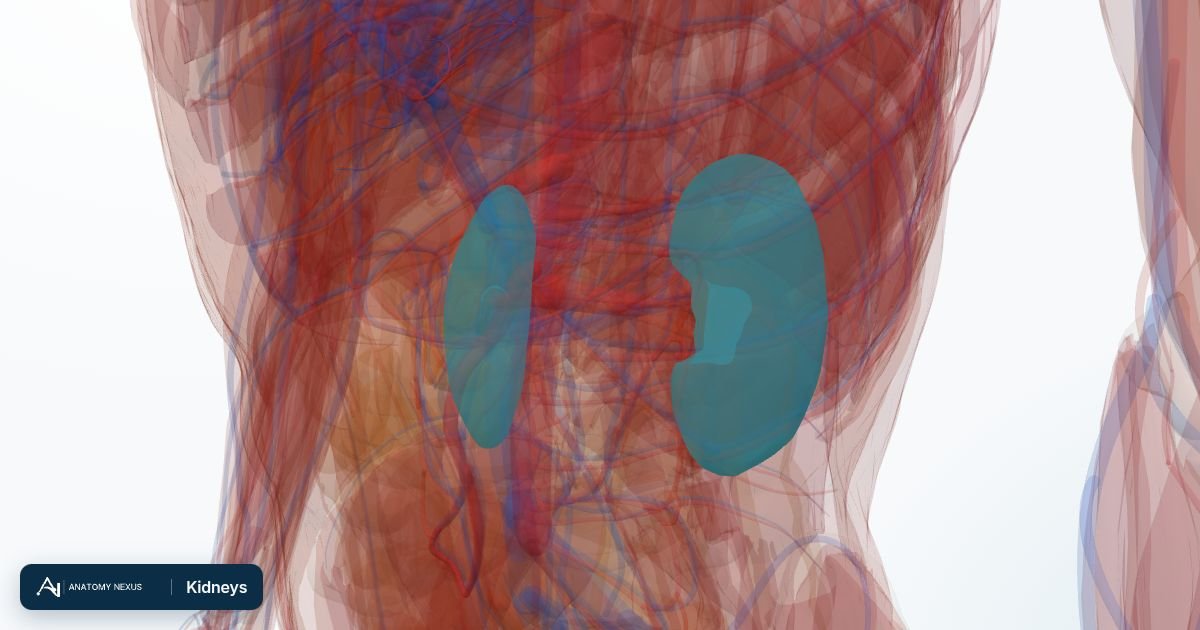
A kidney infection is a type of urinary tract infection that involves one or both kidneys. The NHS lists pain in the side or lower back, fever and feeling sick among its symptoms, and says it is often caused by cystitis, a bladder infection. It is much more common in women and is also common during pregnancy. If it is not treated it can lead to sepsis, but most people make a full recovery when treatment starts promptly.
Causes
- Bacteria, often Escherichia coli (E. coli), get into the tube that carries urine out of the body.
- Most kidney infections begin as a bladder infection that spreads upwards to the kidneys.
- Kidney infection after surgery is rare.
- Some infections start in the kidney itself, for example when there is a kidney stone or a kidney abnormality.
Risk factors
- Being a woman, because the urethra is shorter.
- Pregnancy.
- A weakened immune system.
- Diabetes.
- A kidney stone or a kidney abnormality.
- A urinary blockage such as a kidney stone or an enlarged prostate.
- A recent bladder infection or repeat kidney infections.
- Kidney disease or sickle cell disease.
- Vesicoureteral reflux, a urinary tract problem that is more common in children.
- Constipation.
Symptoms
What a clinician may find
- Fever and chills.
- Pain in the side, lower back or groin.
- Dark or cloudy urine, or blood in the urine.
- Confusion in older people.
- In children younger than 2 years, a high temperature may be the only sign.
Complications
- Sepsis, which is uncommon but can be life threatening.
- Kidney abscess, which clinical reviews list as a complication.
- Kidney scarring, which is rare and may progress to chronic kidney disease.
- Impaired kidney function or kidney failure.
- Preterm labour in pregnancy.
Diagnosis
Clinicians use the history of symptoms, a physical examination and laboratory tests, and may add imaging, according to the NIDDK. A GP can use a dipstick test on a urine sample to show whether a kidney infection is likely. The sample can be sent to a laboratory, which identifies the bacterium and the antibiotics that work against it. Because results can take some days, treatment usually starts straight away. Because kidney infection is much rarer in men, men are routinely investigated further.
Treatment
Antibiotics are the main treatment. The NHS says most people can be treated at home with a course of antibiotics, and possibly painkillers. People with a long-term health condition, or who are pregnant, may need antibiotics through a drip in hospital. NICE guidance gives antibiotics by mouth first when a person can take them and is not severely unwell. The NHS advises paracetamol for pain and a high temperature, and says anti-inflammatory painkillers such as ibuprofen are not normally recommended because they may increase the risk of further kidney problems.
Prevention
The NHS says drinking plenty of fluids, mainly water, not holding urine in and wiping from front to back are ways to help prevent urinary tract infections. NHS hospital leaflets add emptying the bladder after sex and treating constipation promptly, because constipation can increase the chance of a bladder or kidney infection. The NIDDK says most kidney infections begin as bladder infections, so bladder infections need prompt treatment, and that experts do not believe diet can prevent or treat kidney infections. For infections that keep coming back, a clinician may prescribe a low-dose antibiotic.
Key facts
| Fact | Detail |
|---|---|
| Also called | Pyelonephritis |
| Type of illness | A urinary tract infection that affects one or both kidneys, usually caused by bacteria |
| Usual starting point | Often a bladder infection (cystitis) that spreads upwards |
| Main signs | Back or side pain, fever and nausea |
| Main treatment | Antibiotics, with hospital care and drip treatment for some people |
| Usually diagnosed by | Symptoms and examination, urine tests, and sometimes imaging |
What are the symptoms of a kidney infection?
The NIDDK says kidney infection symptoms usually develop within several hours or over a day. The NIDDK lists fever, chills, and back, side or groin pain among the common signs. The NHS adds tiredness, reduced appetite, feeling or being sick and diarrhoea. Changes in urination, such as burning when peeing, needing to pee more urgently and dark or cloudy urine, can also occur.
Clinical references describe a typical pattern of fever, pain in the flank (the side of the back) and nausea or vomiting, although not every person has all of these. In older people a kidney infection may cause confusion. In children younger than 2 years a kidney infection may cause only a high temperature, and NHS pages say babies may also be irritable and not feed properly.
What causes a kidney infection?
A kidney infection usually happens when bacteria, often a type called E. coli, get into the urethra, the tube that carries urine out of the body. In most cases the infection starts in the bladder and spreads upwards to the kidneys, and the NHS says it is often caused by cystitis, a bladder infection. The NIDDK says a kidney infection after surgery is rare.
Sometimes a problem in the kidney itself is behind it, such as a kidney stone. A urinary blockage, such as a kidney stone or an enlarged prostate, can raise the risk. Women are affected more often, and the NHS links this to the shorter urethra. The NIDDK says kidney infections are also common during pregnancy. The NHS lists kidney stones, diabetes and a weakened immune system as making infection more likely. The NIDDK adds a recent bladder infection, repeat kidney infections, kidney disease, sickle cell disease and vesicoureteral reflux, a urinary tract problem that is more common in children.
How is a kidney infection diagnosed?
Diagnosis combines the story of the symptoms, a physical examination and laboratory tests, according to the US National Institute of Diabetes and Digestive and Kidney Diseases (NIDDK), which says imaging may be added. The NHS says a GP can use a dipstick test on a urine sample to show whether a kidney infection is likely.
The sample can also be sent to a laboratory, where the bacterium is identified and tested against antibiotics. Because the results can take some days, treatment is usually started straight away. Clinical references describe urine culture as central to the diagnosis, and say an ultrasound scan can detect pyelonephritis but a normal scan does not rule it out. Because kidney infection is much rarer in men, the NHS says men are routinely investigated further.
How is a kidney infection treated?
Antibiotics are the main treatment, and the NHS says most people can be treated at home with a course of antibiotics, and possibly painkillers. People with a long-term health condition, or who are pregnant, may need antibiotics through a drip in hospital. In hospital a drip also gives fluids to keep a person hydrated, and treatment usually switches to tablets or capsules afterwards.
NICE guidance on antibiotic prescribing gives antibiotics by mouth first when a person can take them and is not severely unwell. It gives antibiotics into a vein for people who are vomiting, cannot take oral antibiotics or are severely unwell. The NIDDK says incomplete courses of antibiotics can contribute to antibiotic resistance.
The NHS advises paracetamol to reduce a high temperature and relieve pain, and NICE self-care advice includes paracetamol for pain and an adequate intake of fluid. The NHS says anti-inflammatory painkillers such as ibuprofen are not normally recommended in a kidney infection because they may increase the risk of further kidney problems.
What are the complications, outlook and ways to prevent it?
The NIDDK says most kidney infections caught early and treated properly do not cause lasting harm. Sepsis is uncommon but can be life threatening, and in rare cases a kidney infection leads to kidney failure or kidney scarring that may progress to chronic kidney disease. NICE lists impaired kidney function, kidney failure, sepsis and preterm labour in pregnancy among the complications of acute pyelonephritis.
Most people make a full recovery when treatment starts promptly. The NHS says it may take up to 2 weeks before someone is fit enough to return to work, and NHS 111 Wales says older people or those with underlying conditions may take longer to recover. The NIDDK says symptoms that come back after treatment need prompt attention from a health care professional.
NHS pages describe drinking plenty of fluids, mainly water, not holding urine in and wiping from front to back as ways to help prevent urinary tract infections. NHS hospital leaflets add emptying the bladder after sex and treating constipation promptly. For people who keep getting urine infections, a clinician may prescribe a low-dose antibiotic.
When should someone get medical help?
The NHS lists confusion, drowsiness and difficulty speaking as signs to call 999 or go to A&E now. For a very high or very low temperature, pain in the lower tummy or back, blood in the urine, sickness, not having peed all day, or pregnancy with these symptoms, the NHS advises asking for an urgent GP appointment or getting help from NHS 111.
The NHS says to see a GP when symptoms of a urinary tract infection have not improved after a few days, or when symptoms persist after antibiotics. For a child who may have a kidney infection, the NHS advice is an urgent GP appointment or help from NHS 111. The NHS says prompt treatment matters because an untreated kidney infection can spread to the bloodstream, and the NIDDK says sepsis, although uncommon, can be life threatening.
Frequently asked questions
Is a kidney infection the same as a urinary tract infection?
A kidney infection is one type of urinary tract infection, the type that affects one or both kidneys. The NHS says it is often caused by cystitis, a bladder infection, and most cases start in the bladder and spread upwards. Its symptoms include pain in the side or lower back and fever, as well as urinary symptoms such as burning when peeing.
Can a kidney infection go away on its own?
The NHS describes antibiotics as the main treatment and says prompt treatment matters, because an untreated infection can spread to the bloodstream. The NIDDK says sepsis, although uncommon, can be life threatening. For symptoms such as a very high or very low temperature, lower tummy or back pain or blood in the urine, the NHS advises an urgent GP appointment or help from NHS 111.
Why are painkillers like ibuprofen not usually recommended?
The NHS says anti-inflammatory painkillers such as ibuprofen are not normally recommended for a kidney infection, because they may increase the risk of further kidney problems. The NHS advises paracetamol to reduce a high temperature and relieve pain, and NICE self-care advice for acute pyelonephritis includes paracetamol for pain and an adequate intake of fluid.
Is a kidney infection more serious in pregnancy?
The NHS lists pregnancy among the reasons to ask for an urgent GP appointment or help from NHS 111 with these symptoms, and says pregnant people may need antibiotics through a drip in hospital. NICE lists preterm labour among the complications of acute pyelonephritis, and says referral or specialist advice should be considered for people aged 16 or over who are pregnant.
How long does it take to recover?
The NHS says most people make a full recovery when treatment starts promptly, and that it may take up to 2 weeks before someone is fit enough to return to work. NHS 111 Wales says older people or those with underlying conditions may take longer to recover. The NIDDK says symptoms that come back after treatment need prompt attention from a health care professional.
Connected pages in detail
What each linked page on Anatomy Nexus covers, in a line, for Kidney infection (pyelonephritis).
Conditions
- Urinary tract infection Bacterial infection of the bladder (cystitis) or, when it ascends, the kidney (pyelonephritis), usually by gut bacteria such as Escherichia coli.
- Kidney stones Hard crystals, most commonly calcium oxalate, that form in the kidney and can pass into and block the ureter.
- Sepsis Life-threatening organ dysfunction caused by a dysregulated body response to infection.
Symptoms
- Fever A body temperature of 38 °C (100.4 °F) or more, produced when the hypothalamus raises its set point in response to inflammatory signals.
- Back pain Pain in the spine or the muscles beside it, most often the lower back.
- Nausea The unpleasant sensation of being about to vomit.
- Vomiting Forceful emptying of the stomach through the mouth, a protective reflex run by the brainstem that closes the airway.
- Abdominal pain Pain between the ribs and the pelvis.
- Fatigue Persistent tiredness that rest does not fix.
Medical tests
- Urinalysis A plastic strip with chemical pads dipped into a fresh urine sample.
- Urine culture A urine sample is spread on culture plates and incubated for 24-48 hours to grow any bacteria, identify them and test which antibiotics kill them.
Medications
- Paracetamol The first-line painkiller and fever reducer for most people (acetaminophen in North America).