



Drug class · Female reproductive
Combined hormonal contraceptives
Also known as: CHC, combined hormonal contraception
Combined hormonal contraceptives contain both an oestrogen and a progestogen, and include the combined pill, a skin patch and a vaginal ring.
- Also called
- CHC, combined hormonal contraception
Mechanism of action
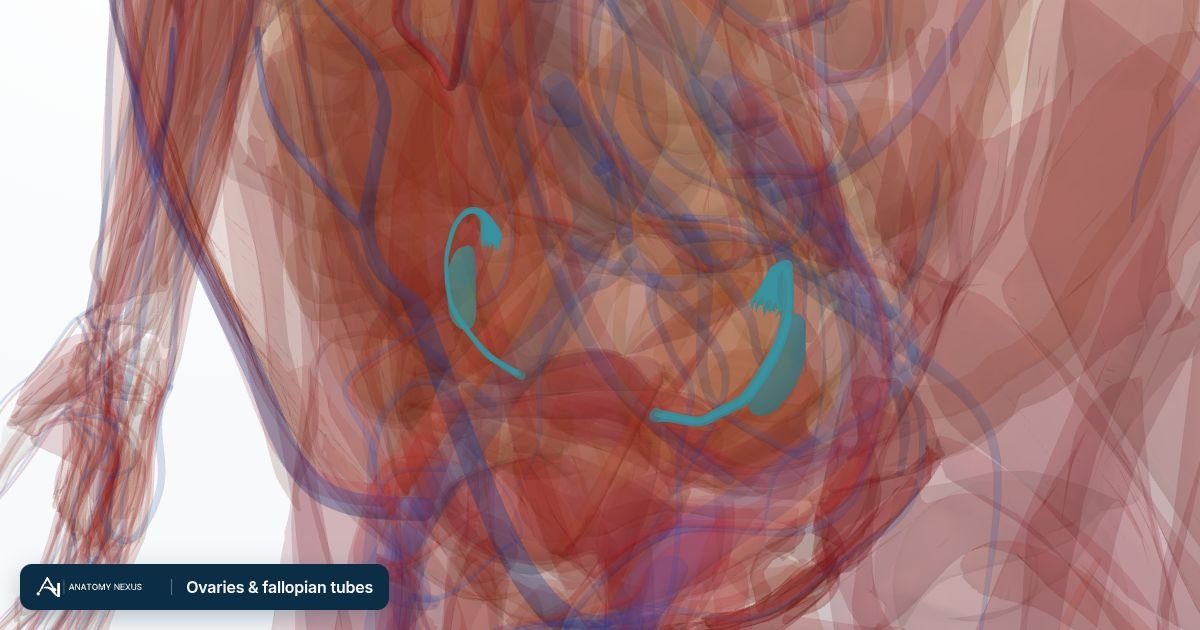
They work mainly by stopping ovulation, the release of an egg from the ovaries. For the combined pill, NHS sources add that the mucus made by the cervix becomes thicker.
Members of the class
Members with a page on this site are linked.
Conditions treated
Breast cancerCervical cancerDeep vein thrombosisEndometriosisHigh blood pressure (hypertension)MigrainePulmonary embolismStroke
Cautions
- They carry a risk of blood clots in the leg or lung, heart attack and stroke, which the NHS describes as very small.
- The UK medicines regulator found a higher relative risk of clots with drospirenone, gestodene and desogestrel products than with levonorgestrel, norethisterone or norgestimate products.
- A history of blood clots, migraine with aura, breast cancer, liver cancer or severe cirrhosis, heart problems or complications of diabetes can make the combined pill unsuitable.
- Some medicines, including some for TB, epilepsy or HIV and the herbal remedy St John's wort, can make the combined pill less effective.
- The NHS notes that some hormonal contraceptives can change the effect of other medicines, such as the epilepsy treatment lamotrigine.
Class warnings
- Blood clots: for a possible clot in the lung, sudden difficulty breathing, chest or upper back pain, a very fast heartbeat or fainting needs a 999 call or A&E; for a possible clot in the leg, the NHS advises getting medical help as soon as possible, for example an urgent GP appointment or NHS 111. UK
- The combined pill does not protect against sexually transmitted infections. UK
Class interactions
Open the Drug Interaction Checker
Connected pages in detail
What each linked page on Anatomy Nexus covers, in a line, for Combined hormonal contraceptives.
Conditions
- Breast cancer A malignant tumour arising from the cells that line the ducts or lobules of the breast.
- Cervical cancer A malignant tumour of the cervix, the neck of the uterus, that develops almost always from persistent infection with high-risk types of human…
- Deep vein thrombosis A blood clot in a deep vein, most often of the calf or thigh.
- Endometriosis A chronic condition in which tissue similar to the lining of the uterus (the endometrium) grows outside the uterus, most often on the ovaries.
- High blood pressure (hypertension) Persistently raised arterial pressure, usually defined as 140/90 mmHg or more in the clinic (135/85 on home readings).
- Migraine A recurrent headache disorder with attacks of moderate to severe throbbing pain, typically one-sided, lasting 4 to 72 hours.
- Pulmonary embolism Blockage of a pulmonary artery by a clot that has travelled from a vein, usually in the leg or pelvis.
- Stroke Sudden loss of brain function because blood supply to part of the brain is interrupted, by a blocked artery (ischaemic.
Medications
- Combined oral contraceptive pill The combined pill is a hormonal contraceptive that contains two hormones, oestrogen and a progestogen.
Educational content. A drug class page describes what a family of medicines has in common. Individual medicines differ in dose, licensing and interactions; treatment choices belong to a prescriber.