



Esomeprazole
Esomeprazole is a proton pump inhibitor, a medicine that lowers the amount of acid the stomach makes. It is used for heartburn, acid reflux and to prevent or treat stomach ulcers. The NHS advises taking proton pump inhibitors for the shortest time possible, as longer use raises the chance of some side effects.
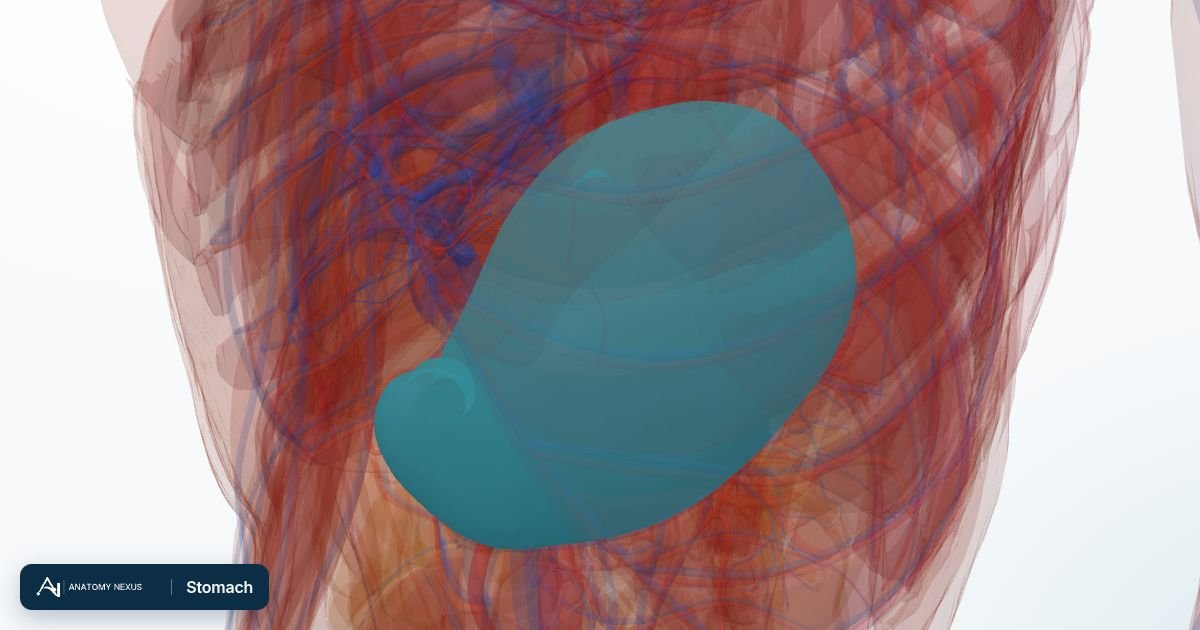
- Generic name
- Esomeprazole
- Active ingredient
- Esomeprazole (variants: esomeprazole magnesium trihydrate)
- Product type
- Small-molecule medicine
- Drug class
- Proton pump inhibitors
- Brand names
- UK Nexium, Nexium Control, Emozul, Guardium Acid Reflux Control · US Nexium, Nexium 24HR
- Routes
- Oral, Intravenous
- Dosage forms
- Delayed-release (gastro-resistant) tablet or capsule, Capsule, Granules, Injection, Infusion
- Usual preparations
- Gastro-resistant tablets and capsules, granules for oral suspension, and a form for injection or infusion. (summary of the cited reference, not a prescription)
- Onset and duration
- The NHS says esomeprazole starts working within 2 to 3 days, but it can take up to 4 weeks to work fully.
- Monitoring
- The NHS advises taking esomeprazole for the shortest time possible and speaking to a doctor before stopping after long-term use; NHS guidance documents describe gradual tapering.
Availability by country
| Country | Status | Note | Source |
|---|---|---|---|
| UK | Prescription only | Higher strengths and other uses need a prescription | UK |
| UK | Pharmacy or behind the counter | Some lowest-strength tablets are sold from pharmacies without a prescription | UK |
| UK | Over the counter | Nexium Control tablets for short-term heartburn in adults have been on general sale since 2015, in small packs | UK |
Legal status differs between countries and can change; each row cites the document it was taken from and applies only to the country named.
What it is used for
- Heartburn and acid reflux (gastro-oesophageal reflux disease, or GORD).
- Preventing and treating stomach ulcers.
- Preventing ulcers in people at risk who take NSAID painkillers, as UK prescribing information (emc) describes.
- Sometimes used for Zollinger-Ellison syndrome.
- The pharmacy brand Nexium Control is for the short-term treatment of reflux symptoms such as heartburn and acid regurgitation in adults.
How it works in the body
Esomeprazole belongs to the proton pump inhibitor group of medicines. It reduces the amount of acid that the stomach produces. Proton pump inhibitors do this by blocking the acid-producing pumps in the stomach lining.
Common side effects
- Headaches, feeling sick, diarrhoea, constipation, stomach pain and wind are common, affecting more than 1 in 100 people.
- The NHS describes side effects as usually mild.
- Occasionally it can cause dizziness, sleepiness or blurred vision, and the NHS advises not to drive, cycle or use machinery or tools until feeling better.
Serious: seek help
- Yellowing of the skin, pale stools or dark urine can signal liver problems; the NHS says to call a doctor or NHS 111 straight away.
- Joint pain together with a red skin rash, especially on parts of the body exposed to the sun, can point to a rare form of lupus; the NHS says to call a doctor or NHS 111 straight away.
- The NHS says to talk to a doctor if diarrhoea does not get better.
- A severe allergic reaction is an emergency, and the NHS advises calling 999.
- Taking it for more than 3 months may lower the level of magnesium in the blood.
- Taking it for more than a year may raise the chance of bone fractures, gut infections and vitamin B12 deficiency.
Cautions and interactions
- Most adults can take esomeprazole; children should have it only if a doctor prescribes it.
- The NHS lists liver problems, an upcoming endoscopy, unexplained weight loss, persistent vomiting, blood in vomit or stools, and swallowing problems as things to raise with a doctor before taking it.
- UK emc patient leaflets list an allergy to esomeprazole or other proton pump inhibitors, and severe liver or severe kidney problems, among the reasons for caution before taking it.
- Medicines that can interact include digoxin, cilostazol, some antifungals, methotrexate, HIV medicines, phenytoin and rifampicin.
- The NHS advises not taking the herbal remedy St John's wort with it.
- UK emc patient leaflets say not to take esomeprazole with a medicine containing nelfinavir, an HIV medicine.
- UK leaflets ask people to tell their doctor about any medicines they buy without a prescription.
- The NHS says there is little information about esomeprazole in pregnancy, so it is not recommended, and doctors may propose omeprazole instead because more safety information exists for it.
- The NHS says some esomeprazole passes into breast milk, probably in too small an amount to be harmful, and that a person may be able to take it while breastfeeding after checking with a doctor first; UK emc leaflets say it is not known whether it passes into breast milk and that it should not be taken when breastfeeding.
- The NHS says there is no evidence that esomeprazole reduces fertility in men or women.
Interactions
Check interactions
Taking Esomeprazole with other medicines? Add them to the checker to see what the official sources say about each pair: the mechanism, general management and monitoring, never a bare "safe".
Interactions documented in the official sources cited on each card. The list covers the medicines represented on this site and is not exhaustive; how the interaction data is compiled.
No pair records for this medicine are in the sources currently represented by Anatomy Nexus. Absence from this list does not mean no interaction exists.
Same-class and related medicines
Same class: Proton pump inhibitors
Medicines that share the class of Esomeprazole. They are separate medicines with their own licences, doses and interactions, not alternative names for Esomeprazole.
Related medicines
Medicines often discussed alongside Esomeprazole: used together, compared with it, or acting on the same problem by a different route.
Key facts
| Fact | Detail |
|---|---|
| Also called | Brands in the UK include Nexium, Nexium Control, Emozul and Guardium Acid Reflux Control. |
| Drug class | Proton pump inhibitor. |
| Used for | Heartburn, acid reflux and stomach ulcers. |
| Starts working | Within 2 to 3 days, and up to 4 weeks to work fully. |
| Forms | Gastro-resistant tablets and capsules, granules, and a form for injection or infusion. |
| UK availability | Brands include Nexium; Nexium Control is a pharmacy brand for short-term reflux symptoms in adults. |
| Pregnancy | The NHS does not recommend it in pregnancy because there is little information. |
What is esomeprazole used for?
Esomeprazole is a medicine that lowers the amount of acid in the stomach. The NHS lists heartburn, acid reflux and the prevention or treatment of stomach ulcers as its uses. Acid reflux is also called gastro-oesophageal reflux disease, or GORD. It is sometimes used for Zollinger-Ellison syndrome. UK prescribing information (emc) adds that it can be used to prevent ulcers in people at risk who take NSAID painkillers.
In the UK, esomeprazole is sold under brand names such as Nexium and, in pharmacies, as Nexium Control. Nexium Control is for the short-term treatment of reflux symptoms such as heartburn and acid regurgitation in adults. Children should have esomeprazole only if a doctor prescribes it.
How does esomeprazole work, and how quickly?
Esomeprazole belongs to a group of medicines called proton pump inhibitors, or PPIs. These medicines reduce the amount of acid that the stomach produces. They do this by blocking the acid-producing pumps in the stomach lining.
The NHS says esomeprazole starts working within 2 to 3 days. It can take up to 4 weeks to work fully. Esomeprazole is made as gastro-resistant tablets and capsules, as granules for making up into a liquid, and as a form for injection or infusion.
What are the side effects of esomeprazole?
The NHS describes side effects of esomeprazole as usually mild. Common ones, affecting more than 1 in 100 people, include headaches, feeling sick, diarrhoea, constipation, stomach pain and wind. Occasionally it can cause dizziness, sleepiness or blurred vision. If this happens, the NHS advises not to drive, cycle or use machinery or tools until feeling better.
Some side effects are serious. Yellowing of the skin, pale stools or dark urine can signal liver problems. Joint pain with a red skin rash on parts of the body exposed to the sun can point to a rare form of lupus. Diarrhoea that does not get better is a reason to talk to a doctor. For the liver and lupus signs, the NHS says to call a doctor or NHS 111 straight away. A severe allergic reaction is an emergency, and the NHS advises calling 999.
Esomeprazole with other medicines and herbal remedies
Some medicines can interact with esomeprazole. The NHS names digoxin, cilostazol, some antifungals, methotrexate, HIV medicines, phenytoin and rifampicin as examples. It advises not taking the herbal remedy St John's wort with esomeprazole. UK emc patient leaflets say not to take esomeprazole with a medicine containing nelfinavir, an HIV medicine. UK leaflets also ask people to tell their doctor about any medicines they buy without a prescription.
Who needs extra care with esomeprazole?
Most adults can take esomeprazole. The NHS lists several situations to raise with a doctor first: liver problems, an upcoming endoscopy, unexplained weight loss, persistent vomiting, blood in vomit or stools, and swallowing problems. UK emc patient leaflets list an allergy to esomeprazole or other proton pump inhibitors, and severe liver or severe kidney problems, among the reasons for caution before taking it.
The NHS says there is little information about esomeprazole in pregnancy, so it is not recommended. Doctors may propose omeprazole instead, because more safety information is available for it. The NHS says some esomeprazole passes into breast milk, probably in too small an amount to be harmful, and that a person may be able to take it while breastfeeding after checking with a doctor first. UK emc leaflets say it is not known whether esomeprazole passes into breast milk and that it should not be taken when breastfeeding. The NHS says there is no evidence that esomeprazole reduces fertility in men or women.
Taking esomeprazole for a long time
The NHS notes that PPIs, like most medicines, have side effects, so it is best to take them for the shortest time possible. Taking esomeprazole for more than 3 months may lower the level of magnesium in the blood. Taking it for more than a year may raise the chance of bone fractures, gut infections and vitamin B12 deficiency.
After long-term use, the NHS advises speaking to a doctor first, because stopping suddenly can bring symptoms back with extra acid production. NHS guidance documents describe gradual tapering after long-term use.
Frequently asked questions
How long does esomeprazole take to work?
The NHS says esomeprazole starts working within 2 to 3 days. It can take up to 4 weeks to work fully.
Can I drive while taking esomeprazole?
Occasionally esomeprazole can cause dizziness, sleepiness or blurred vision. If this happens, the NHS advises not to drive, cycle or use machinery or tools until feeling better.
Can esomeprazole be taken for a long time?
The NHS notes that proton pump inhibitors, like most medicines, have side effects, so it is best to take them for the shortest time possible. Taking esomeprazole for more than 3 months may lower the level of magnesium in the blood. Taking it for more than a year may raise the chance of bone fractures, gut infections and vitamin B12 deficiency. A doctor decides whether long-term use is right for a person.
Can esomeprazole be used in pregnancy or while breastfeeding?
The NHS says there is little information about esomeprazole in pregnancy, so it is not recommended. Doctors may propose omeprazole instead, because more safety information is available for it. The NHS says some esomeprazole passes into breast milk, probably in too small an amount to be harmful, and that a person may be able to take it while breastfeeding after checking with a doctor first. UK emc leaflets say it is not known whether esomeprazole passes into breast milk and that it should not be taken when breastfeeding, so the advice differs between sources.
Can esomeprazole be stopped suddenly?
After long-term use, the NHS advises speaking to a doctor first, because stopping suddenly can bring symptoms back with extra acid production. NHS guidance documents describe gradual tapering after long-term use.
Connected pages in detail
What each linked page on Anatomy Nexus covers, in a line, for Esomeprazole.
Conditions
- Gastro-oesophageal reflux disease Reflux of stomach acid into the oesophagus often enough to cause symptoms or damage the lining.
- Peptic ulcer A break in the lining of the stomach or duodenum that extends through the mucosa, caused by acid acting on a weakened defence.
Symptoms
- Abdominal pain Pain between the ribs and the pelvis.
- Nausea The unpleasant sensation of being about to vomit.
Medical tests
- Endoscopy (as a test) A flexible or rigid tube with a light and camera passed into a body cavity through a natural opening or a small cut.
Medications
- Omeprazole A proton pump inhibitor that switches off acid production in the stomach.
Drug classes
- Proton pump inhibitors The strongest acid-reducing medicines (omeprazole, lansoprazole, pantoprazole, esomeprazole).