



Lansoprazole
Also known as: Zoton FasTab, Prevacid
Lansoprazole is a proton pump inhibitor, a medicine that lowers stomach acid, used for indigestion, heartburn, reflux disease and stomach ulcers. The NHS says a doctor checks regularly on people who continue it for a long time, because of possible side effects such as low magnesium, bone fractures and gut infections.
- Generic name
- Lansoprazole
- Active ingredient
- Lansoprazole
- Product type
- Small-molecule medicine
- Drug class
- Proton pump inhibitors
- Brand names
- UK Zoton FasTab · US Prevacid
- Routes
- Oral
- Dosage forms
- Capsule, Orally disintegrating tablet
- Also known as
- Zoton FasTab, Prevacid
- Usual preparations
- Capsules and orodispersible tablets (summary of the cited reference, not a prescription)
- Onset and duration
- The NHS says symptoms usually start to improve within 2 to 3 days, and that it may take up to 4 weeks to work fully.
- Monitoring
- The NHS says a doctor should check regularly on people who continue lansoprazole beyond a year. The product information says tacrolimus levels should be checked when lansoprazole is started or stopped, and digoxin levels and warfarin clotting tests (INR) may also be monitored.
Availability by country
| Country | Status | Note | Source |
|---|---|---|---|
| UK | Prescription only | UK |
Legal status differs between countries and can change; each row cites the document it was taken from and applies only to the country named.
What it is used for
- Indigestion and heartburn
- Reflux disease, where stomach acid flows back up towards the gullet
- Stomach ulcers
- Occasionally, Zollinger-Ellison syndrome
How it works in the body
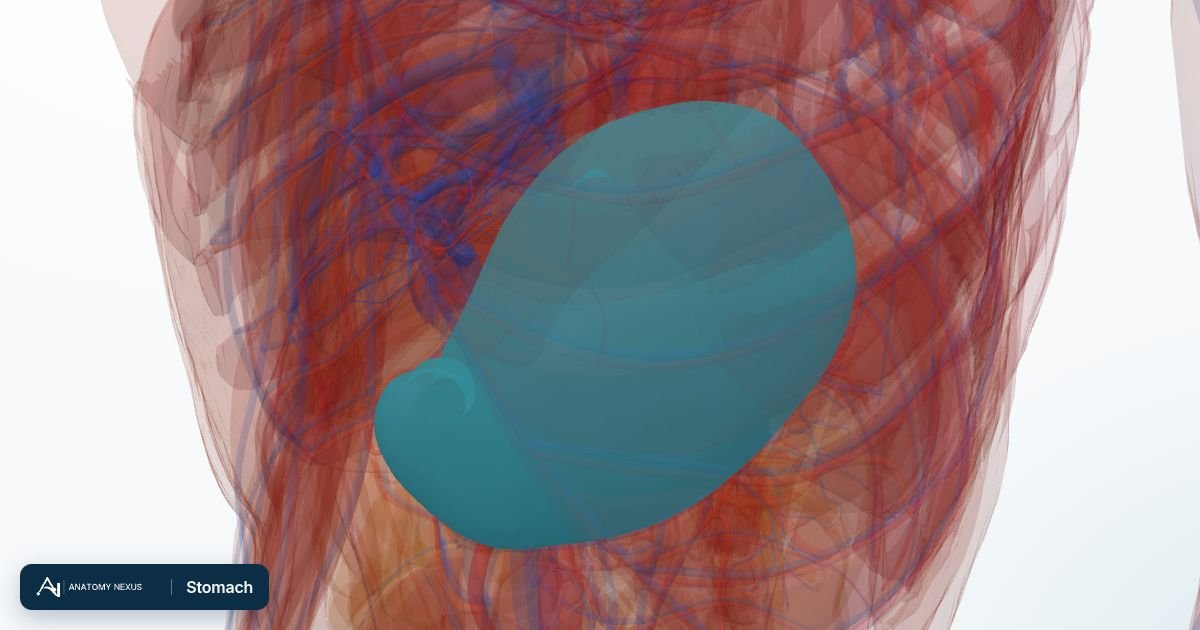
Lansoprazole belongs to a group of medicines called proton pump inhibitors. The NHS says it lowers the amount of acid made in the stomach. Having less acid is what eases symptoms such as indigestion, heartburn and reflux.
Common side effects
- The NHS lists headache, feeling sick and diarrhoea among the common side effects
- The NHS says common side effects tend to be mild and go away when the medicine is stopped
Serious: seek help
- The NHS says serious side effects are rare; worsening stomach pain, yellowing of the skin or eyes, or dark urine can signal inflammation of the pancreas or liver, and need prompt contact with a GP or NHS 111
- Joint pain together with a red rash on sun-exposed skin can signal a skin form of lupus, and needs prompt contact with a GP or NHS 111
- Severe or persistent diarrhoea can signal an inflamed bowel, and needs prompt contact with a GP or NHS 111
- A serious allergic reaction (anaphylaxis) is rare; swelling of the lips, mouth, throat or tongue, fast or difficult breathing, a tight throat, trouble swallowing, blue, grey or pale skin or lips, sudden confusion or fainting needs a 999 call
- If lansoprazole is taken for more than 3 months, blood magnesium may fall, causing tiredness, confusion, dizziness, muscle twitches, shaking or an irregular heartbeat, which needs contact with a doctor or NHS 111
- Use for more than a year may raise the chance of bone fractures and gut infections
Cautions and interactions
- The NHS advises telling a doctor first about a past allergic reaction, liver problems, low vitamin B12, an upcoming endoscopy, pregnancy or breastfeeding
- The NHS says lansoprazole may hide some of the problems that would usually be found during an endoscopy
- The UK patient leaflet says it should not be taken by people who are allergic to lansoprazole or any of its other ingredients
- The NHS says antacids can affect how much lansoprazole the body takes in, and the product information advises a gap after taking them
- The NHS says St John's wort may stop lansoprazole working as well as it should
- The NHS and product information list medicines that can interact, including warfarin, methotrexate, digoxin, tacrolimus, itraconazole, ketoconazole, theophylline and some HIV medicines
- The NHS says there is not enough information to say that other complementary medicines and herbal remedies are fine to take with it
- The NHS says it may make the emergency contraceptive ellaOne less effective, and that regular contraceptive pills are not affected unless vomiting or severe diarrhoea stops the pill working
- The NHS says alcohol can make the stomach produce more acid than normal, which can irritate the lining and make symptoms worse
- In pregnancy the NHS says a similar medicine, omeprazole, is usually offered instead, and the product information says avoiding lansoprazole in pregnancy is preferable as a precaution
- For breastfeeding, the NHS says a doctor will usually recommend omeprazole or pantoprazole instead, and that there is no evidence lansoprazole affects fertility
- The UK patient leaflet says it can cause dizziness or sleepiness, so care is advised before driving or using machinery
Interactions
Check interactions
Taking Lansoprazole with other medicines? Add them to the checker to see what the official sources say about each pair: the mechanism, general management and monitoring, never a bare "safe".
Interactions documented in the official sources cited on each card. The list covers the medicines represented on this site and is not exhaustive; how the interaction data is compiled.
No pair records for this medicine are in the sources currently represented by Anatomy Nexus. Absence from this list does not mean no interaction exists.
Same-class and related medicines
Same class: Proton pump inhibitors
Medicines that share the class of Lansoprazole. They are separate medicines with their own licences, doses and interactions, not alternative names for Lansoprazole.
Related medicines
Medicines often discussed alongside Lansoprazole: used together, compared with it, or acting on the same problem by a different route.
Key facts
| Fact | Detail |
|---|---|
| Medicine type | Proton pump inhibitor, which lowers stomach acid |
| Used for | Indigestion, heartburn, reflux disease and stomach ulcers |
| Forms | Capsules and orodispersible tablets |
| Time to work | Symptoms usually improve within 2 to 3 days; it may take up to 4 weeks to work fully |
| Long-term use | A doctor should check regularly on people who continue it |
What is lansoprazole used for?
Lansoprazole is a medicine that lowers the amount of acid made in the stomach. The NHS says it is used for indigestion, heartburn, reflux disease and stomach ulcers, and occasionally for Zollinger-Ellison syndrome. Reflux disease is the name for stomach acid repeatedly flowing back up into the gullet. It comes as capsules and as orodispersible tablets, which are made to disperse in the mouth.
How does lansoprazole work, and how quickly?
Lansoprazole is a proton pump inhibitor, a medicine that reduces stomach acid. The NHS says symptoms usually start to improve within 2 to 3 days. It may take up to 4 weeks for lansoprazole to work fully, so some symptoms may remain during this time.
What are the side effects?
The NHS lists headache, feeling sick and diarrhoea among the common side effects. They tend to be mild and go away when the medicine is stopped.
Serious side effects are rare, affecting fewer than 1 in 1,000 people according to the NHS. Worsening stomach pain, yellowing of the skin or eyes, or dark urine can signal inflammation of the pancreas or liver. Joint pain with a red rash on sun-exposed skin can signal a skin form of lupus. Severe or persistent diarrhoea can signal an inflamed bowel. Any of these needs prompt contact with a GP or NHS 111.
A serious allergic reaction (anaphylaxis) is rare. Swelling of the lips, mouth, throat or tongue, fast or difficult breathing, a tight throat, trouble swallowing, blue, grey or pale skin or lips, sudden confusion or fainting needs a 999 call straight away.
Taking lansoprazole with other medicines, alcohol and contraception
The NHS says antacids can affect how much lansoprazole the body takes in, and St John's wort may stop it working as well as it should. Medicines that can interact include warfarin, methotrexate, digoxin, tacrolimus, itraconazole, ketoconazole, theophylline and some HIV medicines. The NHS says there is not enough information to say that other complementary medicines and herbal remedies are fine to take with it.
The NHS says alcohol can make the stomach produce more acid than normal, which can irritate the lining and make symptoms worse.
The NHS says lansoprazole may make the emergency contraceptive ellaOne less effective. Regular contraceptive pills are not affected, although vomiting or severe diarrhoea can stop a pill working.
Who needs extra care, and what about long-term use?
The NHS advises telling a doctor first about a past allergic reaction, liver problems, low vitamin B12, an upcoming endoscopy, pregnancy or breastfeeding. Lansoprazole may hide some of the problems that would usually be found during an endoscopy.
In pregnancy the NHS says omeprazole is usually offered instead of lansoprazole. For breastfeeding, a doctor will usually recommend omeprazole or pantoprazole instead. The NHS says there is no evidence that lansoprazole affects fertility.
Taking lansoprazole for more than a year may raise the chance of bone fractures and gut infections. If it is taken for more than 3 months, blood magnesium may fall, causing tiredness, confusion, dizziness, muscle twitches, shaking or an irregular heartbeat, which needs contact with a doctor or NHS 111. A doctor should check regularly on people who continue it.
Frequently asked questions
How long does lansoprazole take to work?
The NHS says symptoms usually start to improve within 2 to 3 days. It may take up to 4 weeks to work fully, so some symptoms may remain during this time.
Does alcohol affect lansoprazole?
The NHS says alcohol can make the stomach produce more acid than normal. This can irritate the stomach lining and make symptoms worse.
What about long-term use?
The NHS says use for more than a year may raise the chance of bone fractures and gut infections, and blood magnesium may fall after more than 3 months. A doctor should check regularly on people who continue it.
Does lansoprazole affect the contraceptive pill?
The NHS says regular contraceptive pills are not affected. Vomiting or severe diarrhoea can stop a pill working, and lansoprazole may make the emergency contraceptive ellaOne less effective.
What about pregnancy and breastfeeding?
In pregnancy the NHS says omeprazole is usually offered instead of lansoprazole. For breastfeeding, a doctor will usually recommend omeprazole or pantoprazole instead.
Connected pages in detail
What each linked page on Anatomy Nexus covers, in a line, for Lansoprazole.
Conditions
- Gastro-oesophageal reflux disease Reflux of stomach acid into the oesophagus often enough to cause symptoms or damage the lining.
- Peptic ulcer A break in the lining of the stomach or duodenum that extends through the mucosa, caused by acid acting on a weakened defence.
Symptoms
- Abdominal pain Pain between the ribs and the pelvis.
Medical tests
- Endoscopy (as a test) A flexible or rigid tube with a light and camera passed into a body cavity through a natural opening or a small cut.
Medications
- Omeprazole A proton pump inhibitor that switches off acid production in the stomach.
Drug classes
- Proton pump inhibitors The strongest acid-reducing medicines (omeprazole, lansoprazole, pantoprazole, esomeprazole).