



Pancreatic cancer
Also known as: cancer of the pancreas, pancreatic carcinoma, pancreatic tumour
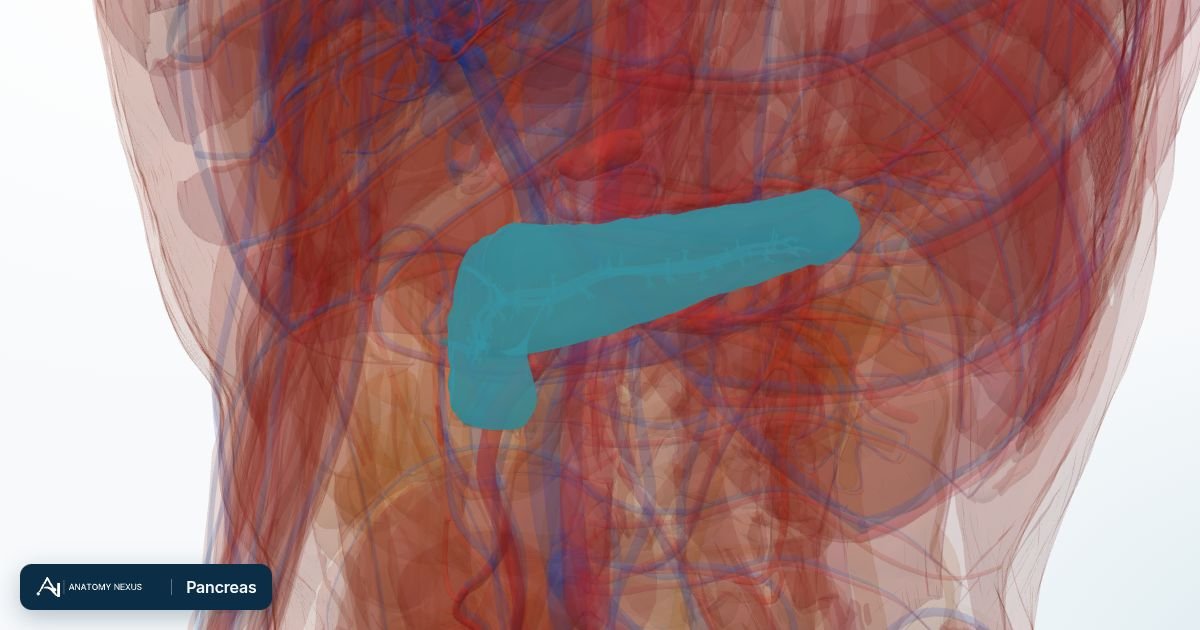
Pancreatic cancer is a cancer that starts in the pancreas, an organ that helps with digestion.
When to seek care
The NHS advises an urgent GP appointment or a call to NHS 111 for yellowing of the skin or eyes, or for vomiting that lasts more than 2 days. Pancreatic Cancer UK says jaundice needs a GP or A&E straight away. A GP appointment is advised for noticeable weight loss without trying, or for other symptoms that continue or get worse after 2 weeks. Having these symptoms does not definitely mean a person has pancreatic cancer.
Overview
Pancreatic cancer often causes no symptoms at first, and when symptoms appear they can be vague. The NHS says it can be difficult to treat. Smoking, long-term diabetes, chronic pancreatitis and some inherited conditions are linked to a higher risk, although having risk factors does not mean a person will get it. Treatment can include surgery, chemotherapy and radiotherapy, and when a cure is not possible the focus is on controlling symptoms.
Causes
- The exact cause of pancreatic cancer is not known
- Risk factors such as smoking and long-term diabetes are linked to it, but having risk factors does not mean a person will get the cancer
Risk factors
- Smoking
- Long-term diabetes
- Chronic pancreatitis
- Inherited conditions and a family history of the disease
- Being overweight or obese
- Older age
Symptoms
What a clinician may find
- Yellowing of the skin and eyes (jaundice)
- Weight loss without trying
- Changes to bowel habits, such as diarrhoea or constipation
Complications
- A blocked bile duct, causing jaundice
- Problems with digestion and nutrition
- Spread of the cancer to other parts of the body
- Pain, tiredness and nausea
Diagnosis
The diagnosis, and the type of pancreatic cancer, is made by a biopsy, which is a sample of tissue from the pancreas. Imaging such as a CT scan is commonly used to assess the cancer. NICE recommends a pancreatic protocol CT scan for people with jaundice, before the bile duct is drained. If the diagnosis is still unclear, NICE says a PET-CT scan, an endoscopic ultrasound or both, with tissue sampling, may be offered.
Treatment
The NHS says treatment depends on the size and type of the cancer, where it is, whether it has spread and the person's general health. Surgery is possible only when the cancer can be removed, and it can also relieve symptoms such as jaundice or blockages when it cannot. Chemotherapy can be given before or after surgery or to control the cancer, and the NHS says radiotherapy is not often used. Targeted therapy is another option listed by MedlinePlus. Supportive care helps with symptoms such as pain, tiredness, nausea and digestion problems.
Prevention
Smoking is a risk factor that can be changed. Cancer Research UK says there is no national screening programme for pancreatic cancer in the UK, but people at high risk may be able to have tests, sometimes as part of a study.
Key facts
| Fact | Detail |
|---|---|
| Also called | Cancer of the pancreas |
| Early picture | Often no symptoms at first |
| Linked risk factors | Smoking, long-term diabetes, chronic pancreatitis, obesity and some inherited conditions |
| Usually confirmed by | A biopsy, with imaging such as CT scans |
| Treatment options | Surgery, chemotherapy, targeted therapy, sometimes radiotherapy, and supportive care |
| Urgent sign | Yellowing of the skin or eyes needs an urgent GP appointment or NHS 111 |
| Screening in the UK | No national screening programme (Cancer Research UK) |
What are the symptoms of pancreatic cancer?
The NHS says pancreatic cancer often causes no symptoms at first. Cancer Research UK says it does not usually cause symptoms in the early stages, and Pancreatic Cancer UK says symptoms may not be specific to the disease and can come and go at first.
Yellowing of the skin or eyes, called jaundice, is one of the common signs, and the NHS says it can come with itchy skin, darker urine and paler stools. The NHS also lists loss of appetite, losing weight without trying, tiredness and fever or chills. Digestive symptoms include feeling or being sick, diarrhoea or constipation, bloating and indigestion. The NHS describes pain in the upper abdomen and back that can ease when leaning forward. Cancer Research UK and Pancreatic Cancer UK list tummy or back pain among the signs, and Pancreatic Cancer UK also lists indigestion.
The NHS says these symptoms are common and often have other causes. Having them does not definitely mean a person has pancreatic cancer.
What causes pancreatic cancer, and who is at higher risk?
MedlinePlus says the exact cause of pancreatic cancer is not known. The National Cancer Institute says some risk factors, such as smoking, can be changed, while others, such as genetics and family history, cannot. Having risk factors does not mean a person will get pancreatic cancer. Reviews describe cigarette smoking, long-term diabetes and obesity as established risk factors. Diabetes can be both a risk factor for pancreatic cancer and a result of it, and newly diagnosed diabetes can be an early sign. Chronic pancreatitis, long-term inflammation of the pancreas, is one of the strongest associations, although only a small proportion of people with it develop pancreatic cancer.
Some inherited conditions, including BRCA2 and Lynch syndrome gene changes, raise the risk, but most cases are not linked to a family history. MedlinePlus says the risk increases with age and that a family history slightly increases the chance. Cancer Research UK says there is no national screening programme for pancreatic cancer in the UK. People at high inherited risk may be able to have tests, sometimes through a study such as EUROPAC.
How is pancreatic cancer diagnosed?
MedlinePlus says the diagnosis, and the type of pancreatic cancer, is made by a pancreatic biopsy, and that more tests then show how far the cancer has spread. Cancer Research UK says a CT scan is commonly used to assess pancreatic cancer, and a PET-CT scan may be used to find out more, for example whether it has spread outside the pancreas. A hospital NHS page describes an abdominal ultrasound and blood tests as usually the first step in finding the cause of jaundice.
NICE guidance recommends a pancreatic protocol CT scan for people with jaundice before the bile duct is drained. If the diagnosis is still unclear, NICE says a PET-CT scan, an endoscopic ultrasound or both, with tissue sampling, may be offered.
A biopsy can be taken during an endoscopic procedure such as ERCP or endoscopic ultrasound, or with a long, fine needle passed through the wall of the abdomen and guided by ultrasound or CT. ERCP is an endoscopic examination that lets doctors see the duct system and collect samples. Macmillan says a small tube called a stent is usually placed during an ERCP to hold a blocked bile duct open.
How is pancreatic cancer treated?
The NHS says pancreatic cancer is difficult to treat. The NHS says the choice depends on the size and type of the cancer, where it is, whether it has spread and the person's general health. Whether an operation is possible depends on whether the cancer can be removed, and removal may involve part, or rarely all, of the pancreas along with nearby organs. If the cancer cannot be removed, surgery may still be used to help control some symptoms, such as jaundice or blockages. MedlinePlus says some people whose cancer can be surgically removed are cured, but in most people the tumour has already spread and cannot be completely removed at diagnosis.
The NHS says chemotherapy can be given before surgery to shrink a tumour, after surgery to lower the risk of the cancer coming back, or to control the cancer when surgery is not an option. It says radiotherapy is not often used and, when it is, usually goes with chemotherapy or eases symptoms of advanced cancer. Cancer Research UK describes chemotherapy as the main treatment for stage 4 pancreatic cancer, where it might help people live longer and relieve symptoms. MedlinePlus also lists targeted therapy as an option.
Living with pancreatic cancer and managing symptoms
Cancer Research UK says advanced pancreatic cancer cannot normally be cured, but treatments can control symptoms and improve quality of life. Macmillan says it will not be possible to cure pancreatic cancer for many people. The National Cancer Institute says palliative therapy can improve quality of life by controlling the symptoms and complications of pancreatic cancer. Macmillan says a GP or cancer specialist can refer a person to a palliative care team, made up of doctors and nurses who work to keep symptoms under control.
The NHS says supportive care covers issues such as enzyme replacement tablets for digestion problems, pain relief and medicine for sickness. Macmillan says pain can be treated with radiotherapy, painkillers or nerve blocks, alone or together.
A tumour that blocks the bile duct stops bile draining, which causes jaundice, and the build-up of bile can cause itching. A stent, usually placed during an ERCP, holds the duct open so that bile can drain. If a stent is unsuccessful or not possible, surgery such as a bypass may be able to relieve the blockage. Specialist nurses or doctors may also suggest creams or medicines to ease the itch.
Frequently asked questions
Can pancreatic cancer be cured?
Cancer Research UK says advanced pancreatic cancer cannot normally be cured, but treatment can control symptoms and improve quality of life. Macmillan says it will not be possible to cure pancreatic cancer for many people. MedlinePlus says some people whose cancer can be surgically removed are cured, but in most people the cancer has spread and cannot be completely removed at diagnosis.
Does pancreatic cancer always cause symptoms?
No. The NHS says pancreatic cancer often causes no symptoms at first. Cancer Research UK says it does not usually cause symptoms in the early stages, and Pancreatic Cancer UK says symptoms can come and go at first. The NHS adds that the symptoms are common and often have other causes.
Is there a screening test for pancreatic cancer?
Cancer Research UK says there is no national screening programme for pancreatic cancer in the UK, but people at high risk may be able to have tests, sometimes as part of a study. Pancreatic Cancer UK offers an online family history checker for people concerned about inherited risk. MedlinePlus says a family history slightly increases the chance of developing the cancer.
When should someone see a doctor about possible symptoms?
The NHS advises an urgent GP appointment or a call to NHS 111 for yellowing of the skin or eyes, vomiting for more than 2 days, or diarrhoea for more than 7 days. It advises a GP appointment for noticeable weight loss without trying or for symptoms that continue or get worse after 2 weeks. Pancreatic Cancer UK says jaundice needs a GP or A&E straight away.
Connected pages in detail
What each linked page on Anatomy Nexus covers, in a line, for Pancreatic cancer.
Conditions
- Pancreatitis Inflammation of the pancreas, acute when its own enzymes are activated inside the gland.
- Type 2 diabetes A metabolic disease in which the body's cells respond poorly to insulin (insulin resistance) and the pancreas gradually fails to compensate.
Symptoms
- Abdominal pain Pain between the ribs and the pelvis.
- Back pain Pain in the spine or the muscles beside it, most often the lower back.
- Fatigue Persistent tiredness that rest does not fix.
- Nausea The unpleasant sensation of being about to vomit.
Medical tests
- Biopsy Removal of a small piece of tissue or a few cells so a pathologist can examine them under the microscope.
- Endoscopy (as a test) A flexible or rigid tube with a light and camera passed into a body cavity through a natural opening or a small cut.
Imaging
- CT scan A rotating X-ray tube and computer build cross-sectional slices of the body in seconds, showing bone, organs.
- PET-CT scan Positron emission tomography tracks a mildly radioactive sugar or tracer to show where cells are most active.