



Dapagliflozin
Also known as: Forxiga, gliflozin
Dapagliflozin is a prescription tablet from the SGLT2 inhibitor group, used for type 2 diabetes, heart failure and chronic kidney disease. The NHS lists thrush, back pain and passing urine more often as common side effects. Serious effects include diabetic ketoacidosis and allergic reactions, and these need urgent medical help (a doctor or NHS 111 promptly, or 999 in an emergency).
- Generic name
- Dapagliflozin
- Active ingredient
- Dapagliflozin
- Product type
- Small-molecule medicine
- Drug class
- SGLT2 inhibitors
- Brand names
- UK Forxiga
- Routes
- Oral
- Dosage forms
- Tablet
- Also known as
- Forxiga, gliflozin
- Onset and duration
- The NHS says it starts to work after about 2 hours to reduce blood glucose levels, but it may take up to a week to take full effect.
- Monitoring
- Lithium levels need closer monitoring in people who also take lithium. A small fall in kidney function (eGFR) can be seen when treatment starts, and further checks are decided by the prescriber.
Availability by country
| Country | Status | Note | Source |
|---|---|---|---|
| UK | Prescription only | UK |
Legal status differs between countries and can change; each row cites the document it was taken from and applies only to the country named.
What it is used for
- Type 2 diabetes, where the NHS says it is mainly used, usually when metformin cannot be taken or other medicines are not controlling blood sugar well
- Heart failure, where the NHS says it can reduce the risk of the heart getting weaker and help symptoms such as tiredness
- Chronic kidney disease, where the NHS says it helps to slow the rate at which the condition gets worse
- NICE recommends dapagliflozin as an add-on to standard care for chronic kidney disease in adults who meet the criteria set out in its guidance (technology appraisal TA775)
- NICE recommends it as an add-on to standard care for symptomatic chronic heart failure with reduced ejection fraction in adults (technology appraisal TA679)
- NICE also recommends it for symptomatic chronic heart failure with preserved or mildly reduced ejection fraction (technology appraisal TA902)
How it works in the body
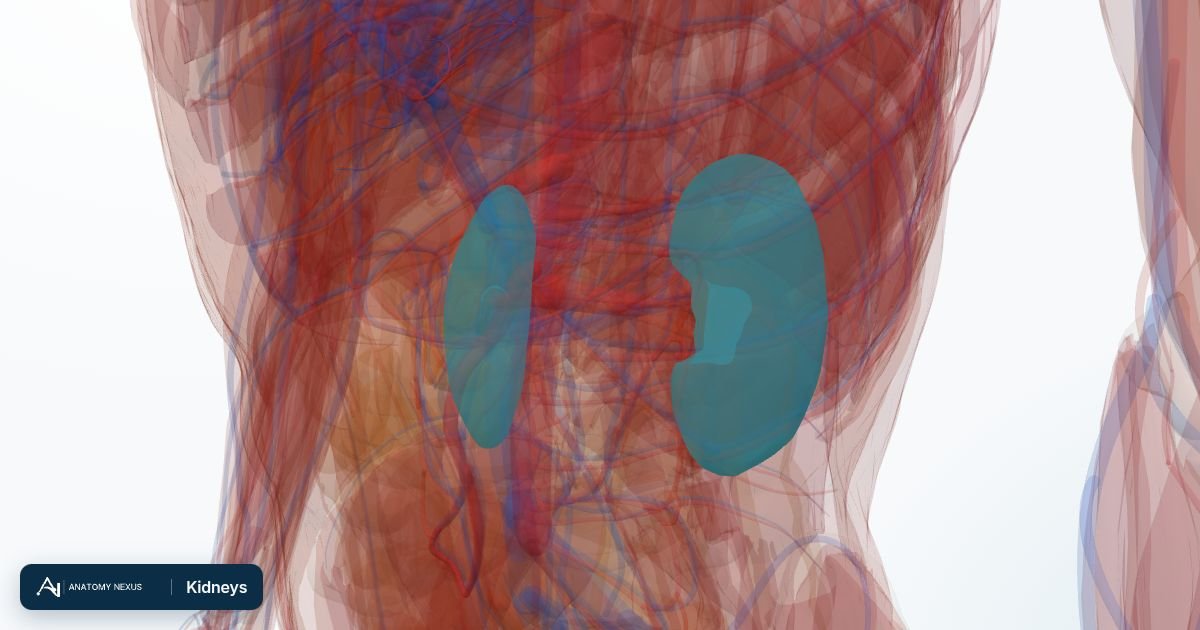
Dapagliflozin is a type of medicine known as a sodium-glucose cotransporter-2 (SGLT2) inhibitor. In type 2 diabetes the NHS says it makes the kidneys remove extra sugar from the body in the urine, which lowers blood sugar. It can also reduce the amount of work the heart needs to do to pump blood around the body. In chronic kidney disease the NHS says it works by reducing pressure and swelling (inflammation) in the kidneys.
Common side effects
- The NHS lists thrush, back pain and passing urine more often than usual as common side effects
- Low blood sugar (hypoglycaemia) can happen when dapagliflozin is taken with other diabetes medicines, including insulin or a sulfonylurea such as gliclazide, and can cause dizziness or shakiness
- Feeling sleepy or dizzy can occur, and the NHS says driving, cycling or using tools or machines is best avoided until these symptoms pass
Serious: seek help
- Diabetic ketoacidosis (a build-up of acids called ketones in the blood) has symptoms such as feeling sick, unusual thirst or tiredness, stomach pain, fruity-smelling breath and faster or deeper breathing, and needs urgent medical help: a doctor or NHS 111 promptly, or 999 in an emergency
- Swelling of the throat or tongue, or difficulty breathing, can be a serious allergic reaction and needs an emergency 999 call
- Severe pain, tenderness, swelling or redness around the genitals or the area between them and the anus, with fever or feeling unwell, can be a rare infection called Fournier gangrene and needs emergency help (call 999)
Cautions and interactions
- Most adults can take dapagliflozin and, for type 2 diabetes, the NHS says most children aged 10 and over can take it
- The NHS says it may not be suitable for people who have had an allergic reaction to it, have type 1 diabetes, have kidney or liver disease, have low blood pressure or often get urinary tract infections
- Diabetes UK says treatment may need to be stopped temporarily before an operation, which the prescriber decides
- The NHS advises avoiding dapagliflozin in pregnancy and breastfeeding, because there is not enough information about its effects on the baby
- NHS leaflets describe sick day rules, in which dapagliflozin is stopped temporarily during illness with dehydration, such as vomiting, diarrhoea, fever or infections, and a patient leaflet says to contact the GP or NHS 111 if still unwell after 48 hours
- MedlinePlus (a US source) says dapagliflozin can cause dehydration and that drinking enough water is important
- Using it with insulin or a sulfonylurea raises the chance of low blood sugar, and lithium levels need closer monitoring if lithium is also taken
- The NHS says alcohol can be drunk in moderation, and advises speaking to a doctor before starting a low-calorie, reduced-carbohydrate or ketogenic diet
- The NHS says dapagliflozin is not stopped without talking to a doctor first, because diabetes, heart failure or kidney disease may get worse
Interactions
Check interactions
Taking Dapagliflozin with other medicines? Add them to the checker to see what the official sources say about each pair: the mechanism, general management and monitoring, never a bare "safe".
Interactions documented in the official sources cited on each card. The list covers the medicines represented on this site and is not exhaustive; how the interaction data is compiled.
No pair records for this medicine are in the sources currently represented by Anatomy Nexus. Absence from this list does not mean no interaction exists.
Same-class and related medicines
Same class: SGLT2 inhibitors
Medicines that share the class of Dapagliflozin. They are separate medicines with their own licences, doses and interactions, not alternative names for Dapagliflozin.
Related medicines
Medicines often discussed alongside Dapagliflozin: used together, compared with it, or acting on the same problem by a different route.
Key facts
| Fact | Detail |
|---|---|
| Brand name | Forxiga (UK brand name) |
| Medicine group | SGLT2 inhibitor (sodium-glucose cotransporter-2 inhibitor) |
| Form | Tablet |
| Availability | Prescription only (NHS) |
| Used for | Type 2 diabetes, heart failure and chronic kidney disease |
| Onset | Starts to work after about 2 hours; up to a week for full effect (NHS) |
What is dapagliflozin used for?
Dapagliflozin is a tablet that the NHS says is available only with a prescription. The NHS says it is mainly used to treat type 2 diabetes, usually when metformin cannot be taken or when the current medicine is not controlling blood sugar well. Diabetes UK says it can be taken alone or with metformin, a DPP-4 inhibitor, a sulphonylurea or insulin.
It is also used for heart failure and chronic kidney disease. In heart failure the NHS says it can reduce the risk of the heart getting weaker and help symptoms such as tiredness. In chronic kidney disease it helps to slow the rate at which the condition gets worse. NICE recommends it as an add-on to standard care for symptomatic chronic heart failure with reduced ejection fraction in adults, and for symptomatic chronic heart failure with preserved or mildly reduced ejection fraction. NICE also recommends it for chronic kidney disease in adults who meet the criteria in its guidance.
How does dapagliflozin work?
Dapagliflozin is a sodium-glucose cotransporter-2 inhibitor, usually shortened to SGLT2 inhibitor. In type 2 diabetes the NHS says it makes the kidneys remove extra sugar in the urine, which lowers blood sugar. It can also reduce the amount of work the heart needs to do to pump blood around the body. In chronic kidney disease the NHS says it reduces pressure and swelling (inflammation) in the kidneys.
The NHS says it starts to work after about 2 hours to lower blood glucose, but it may take up to a week to take full effect. MedlinePlus says medicines of this kind help to control the condition but do not cure it.
What are the side effects?
The NHS lists thrush, back pain and passing urine more often as common side effects. Low blood sugar can happen when it is taken with insulin or a sulfonylurea such as gliclazide, and can cause dizziness or shakiness. If a person feels sleepy or dizzy, the NHS says to avoid driving, cycling or using tools or machines until the symptoms pass.
Serious effects include diabetic ketoacidosis, in which acids called ketones build up in the blood, according to Leeds Teaching Hospitals. Symptoms include feeling sick, unusual thirst or tiredness, stomach pain, fruity-smelling breath and faster or deeper breathing. The NHS says these symptoms usually develop over 24 hours but can come on faster, and they need urgent medical help: a doctor or NHS 111 promptly, or 999 in an emergency. Swelling of the throat or tongue, or difficulty breathing, can be a serious allergic reaction and needs a 999 call. Severe pain, tenderness, swelling or redness around the genitals or the area between them and the anus, with fever or feeling unwell, can be a rare infection called Fournier gangrene and needs emergency help (call 999).
Illness, alcohol and food
NHS leaflets describe sick day rules, in which dapagliflozin is stopped temporarily during illness with dehydration, such as vomiting, diarrhoea, fever or infections. A patient leaflet says to contact the GP or NHS 111 if still unwell after 48 hours. MedlinePlus, a US source, says the medicine can cause dehydration and that drinking enough water is important.
The NHS says people can eat and drink normally, and that alcohol can be drunk in moderation. It suggests speaking to a doctor before starting a low-calorie, reduced-carbohydrate or ketogenic diet. The NHS says the medicine itself does not affect the ability to drive, but low blood sugar can, which is possible when it is taken with insulin or a sulfonylurea.
Who needs extra care?
Most adults can take dapagliflozin, and the NHS says most children aged 10 and over can take it for type 2 diabetes. It may not be suitable for people who have had an allergic reaction to it, have type 1 diabetes, have kidney or liver disease, have low blood pressure or often get urinary tract infections. The NHS advises avoiding it in pregnancy and breastfeeding, and Diabetes UK says treatment may need to be stopped temporarily before an operation.
Lithium levels need closer monitoring if both medicines are taken. The NHS says dapagliflozin is not stopped without talking to a doctor first, because diabetes, heart failure or kidney disease may get worse.
Frequently asked questions
Is dapagliflozin only for diabetes?
No. The NHS says it is mainly used for type 2 diabetes but is also used for heart failure and chronic kidney disease. In heart failure it can reduce the risk of the heart getting weaker, and in kidney disease it helps to slow the rate at which the condition gets worse.
How long is dapagliflozin taken for?
The NHS says it is usually needed long term. It is not stopped without talking to a doctor first, because diabetes, heart failure or kidney disease may get worse.
What are sick day rules?
They are advice to stop dapagliflozin temporarily during illness with dehydration, such as vomiting, diarrhoea or fever. A patient leaflet says to contact the GP or NHS 111 if still unwell after 48 hours.
Does dapagliflozin cause thrush?
The NHS lists thrush as a common side effect. Leeds Teaching Hospitals also lists genital fungal infections such as thrush as a common side effect of SGLT2 inhibitors.
Connected pages in detail
What each linked page on Anatomy Nexus covers, in a line, for Dapagliflozin.
Conditions
- Type 2 diabetes A metabolic disease in which the body's cells respond poorly to insulin (insulin resistance) and the pancreas gradually fails to compensate.
- Heart failure A syndrome in which the heart cannot pump enough blood to meet the body's needs, or can do so only at raised filling pressures.
- Chronic kidney disease Persistent reduction in kidney function (a filtration rate below 60 ml/min) or evidence of kidney damage such as protein in the urine.
Medical tests
- Kidney function tests Creatinine and urea are waste products the kidneys should clear; how much builds up in blood shows how well they are filtering.
- HbA1c The fraction of haemoglobin that has glucose stuck to it.
- Creatinine and eGFR The everyday measure of how well the kidneys filter.
- Blood glucose The concentration of glucose in blood, measured from a vein or a fingerprick.
Medications
- Metformin The first-line tablet for type 2 diabetes: it reduces the glucose the liver releases and improves the body's response to insulin.
- Empagliflozin Empagliflozin is a prescription medicine used to treat type 2 diabetes, heart failure and chronic kidney disease.
- Semaglutide (Ozempic, Wegovy) Semaglutide is a medicine used to manage type 2 diabetes (as Ozempic and Rybelsus) or to treat obesity (as Wegovy).
Drug classes
- SGLT2 inhibitors SGLT2 inhibitors are tablets used for type 2 diabetes, heart failure and chronic kidney disease.