



Semaglutide (Ozempic, Wegovy)
Also known as: Ozempic, Wegovy, Rybelsus
Semaglutide is a medicine used to manage type 2 diabetes (as Ozempic and Rybelsus) or to treat obesity (as Wegovy). It imitates GLP-1, a hormone the body releases after eating, and helps people feel fuller for longer. Digestive side effects are common, and rare inflammation of the pancreas needs urgent medical advice.
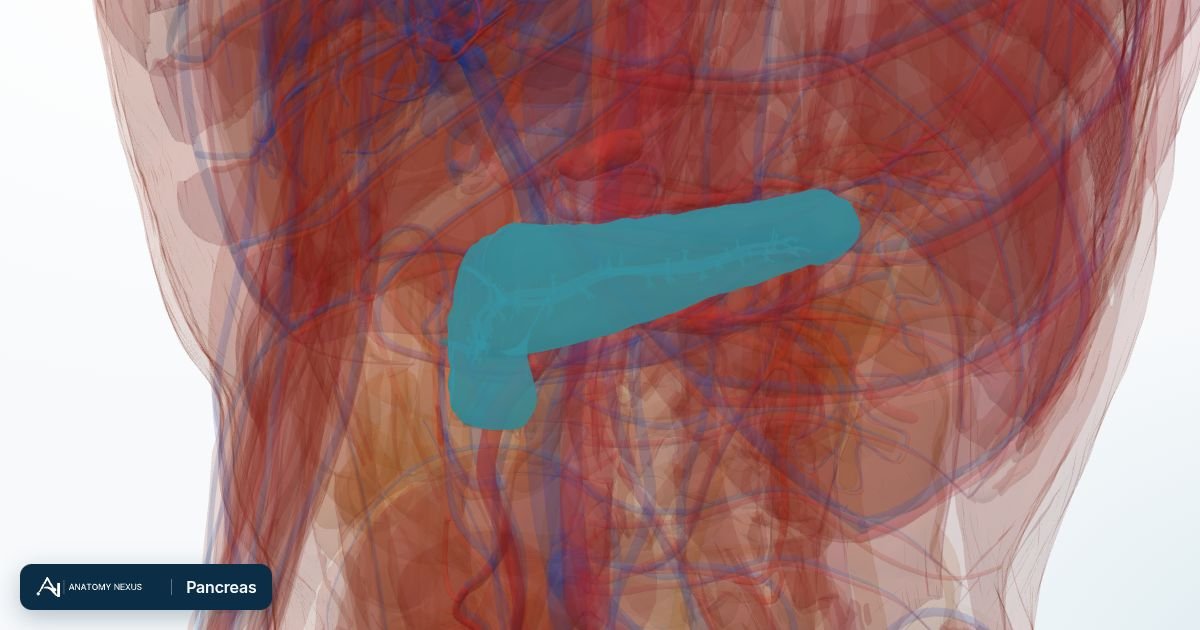
- Generic name
- Semaglutide (Ozempic, Wegovy)
- Active ingredient
- Semaglutide (Ozempic, Wegovy)
- Product type
- Small-molecule medicine
- Drug class
- GLP-1 receptor agonists
- Brand names
- UK Ozempic, Wegovy, Rybelsus · US Ozempic, Wegovy, Rybelsus
- Routes
- Subcutaneous, Oral
- Dosage forms
- Pen injector, Tablet
- Also known as
- Ozempic, Wegovy, Rybelsus
- Usual preparations
- Injection in a pre-filled pen (Ozempic, Wegovy) and a tablet (Rybelsus) (summary of the cited reference, not a prescription)
- Monitoring
- For weight management, NICE includes a rule for stopping treatment if early weight loss is too small, so response is reviewed.
Availability by country
| Country | Status | Note | Source |
|---|---|---|---|
| UK | Prescription only | UK |
Legal status differs between countries and can change; each row cites the document it was taken from and applies only to the country named.
What it is used for
- Managing type 2 diabetes (Ozempic injection and Rybelsus tablets)
- Weight management in adults with obesity or overweight (Wegovy), which NICE recommends within a specialist weight management service
- Lowering the risk of heart attack and stroke in some adults with cardiovascular disease and obesity or overweight (Wegovy), according to Diabetes UK
How it works in the body
Semaglutide imitates GLP-1, a hormone the body releases after eating. It helps people feel fuller for longer and reduces hunger. It also increases the insulin the pancreas releases in response to food, according to an NHS hospital leaflet on the tablet form. Like other GLP-1 medicines, it delays emptying of the stomach, according to the MHRA.
Common side effects
- Feeling sick, being sick, diarrhoea and constipation are among the common effects listed by the NHS
- Feeling tired, reactions where the injection goes in, and hair loss are also listed as common by the NHS
- The US Ozempic label notes that nausea, vomiting and diarrhoea are most common when treatment is first started
Serious: seek help
- Inflammation of the pancreas (pancreatitis) is a rare but serious effect, with severe pain in the stomach or back that does not go away
- That pain needs urgent advice from NHS 111 or the GP the same day, and a 999 call if it is severe or the person is collapsing
- A sudden change in eyesight, such as sudden loss of vision, needs urgent medical advice according to Diabetes UK, and semaglutide has been linked to a very rare eye condition called NAION
- Low blood sugar (hypoglycaemia) causes sweating, shaking, a fast heartbeat and dizziness, and is more likely with other diabetes medicines
- A severe allergic reaction is also listed by the NHS as a serious effect
- Gallstones were reported more often with semaglutide than with comparison treatments in clinical studies, according to the UK summary of product characteristics
- Vomiting and diarrhoea can cause dehydration, which in rare cases can lead to worse kidney function, so care to avoid losing fluid is advised in the UK summary of product characteristics
- For any serious side effect, urgent advice means NHS 111 or the GP the same day, and 999 or A&E for emergencies such as collapse, severe symptoms or a severe allergic reaction
Cautions and interactions
- Low blood sugar is more likely with insulin or a sulfonylurea, and the UK summary of product characteristics says a lower dose of those medicines should be considered when semaglutide is added
- In a large heart-outcomes study, diabetic retinopathy complications were more common with semaglutide than placebo, mainly in people using insulin who already had retinopathy
- Rapid improvement in blood glucose control has been linked to a temporary worsening of diabetic retinopathy, and people with the condition are monitored closely, according to the UK summary of product characteristics
- The NHS says semaglutide should not be used in pregnancy
- The MHRA advises against GLP-1 receptor agonists in pregnancy because of a lack of human safety data, and advises effective contraception throughout treatment
- The NHS advises stopping semaglutide before trying to become pregnant
- Diabetes UK says semaglutide should not be used while breastfeeding
- The NHS says drinking alcohol can increase side effects such as feeling or being sick
- The NHS lists having or having had an inflamed pancreas (acute pancreatitis) among the reasons semaglutide may not be suitable
- The MHRA has highlighted a potential risk of stomach contents entering the lungs (pulmonary aspiration) during general anaesthesia or deep sedation, because these medicines delay stomach emptying and food can remain despite fasting
Interactions
Check interactions
Taking Semaglutide (Ozempic, Wegovy) with other medicines? Add them to the checker to see what the official sources say about each pair: the mechanism, general management and monitoring, never a bare "safe".
Interactions documented in the official sources cited on each card. The list covers the medicines represented on this site and is not exhaustive; how the interaction data is compiled.
No pair records for this medicine are in the sources currently represented by Anatomy Nexus. Absence from this list does not mean no interaction exists.
Same-class and related medicines
Same class: GLP-1 receptor agonists
Medicines that share the class of Semaglutide (Ozempic, Wegovy). They are separate medicines with their own licences, doses and interactions, not alternative names for Semaglutide (Ozempic, Wegovy).
Related medicines
Medicines often discussed alongside Semaglutide (Ozempic, Wegovy): used together, compared with it, or acting on the same problem by a different route.
Key facts
| Fact | Detail |
|---|---|
| Brands | Ozempic, Wegovy, Rybelsus |
| Medicine group | GLP-1 receptor agonist |
| Forms | Injection in a pre-filled pen (Ozempic, Wegovy); tablet (Rybelsus) |
| Used for | Type 2 diabetes; weight management |
| Weight management on the NHS | Within a specialist weight management service, up to two years (NICE) |
| Pregnancy and breastfeeding | Not used in pregnancy (NHS); Diabetes UK advises against use while breastfeeding |
What is semaglutide used for?
Semaglutide is a prescription medicine. The NHS says it is used to manage type 2 diabetes (Ozempic and Rybelsus) or to treat obesity (Wegovy). Ozempic and Wegovy are injections in pre-filled pens, and Rybelsus is a tablet. Diabetes UK says Ozempic should only be prescribed to people with type 2 diabetes. The NHS says that for weight loss it is used together with exercise and changes to diet.
For weight management, NICE recommends Wegovy for adults only within a specialist multidisciplinary weight management service, for a maximum of two years. Diabetes UK says NICE recommends it for adults with a high body mass index (BMI) and at least one weight-related condition, and for some adults with a lower BMI who meet criteria for referral to specialist services. Diabetes UK also notes that access to specialist weight management services varies. Diabetes UK says Wegovy might be prescribed to adults with cardiovascular disease and obesity or overweight to lower the risk of major events such as heart attack or stroke.
How does semaglutide work?
Semaglutide belongs to the GLP-1 receptor agonist group of medicines. It imitates GLP-1, a hormone the body releases after eating. It helps people feel fuller for longer and reduces hunger. It also increases the insulin the pancreas releases in response to food, according to an NHS hospital leaflet on the tablet form. Like other GLP-1 medicines, it delays emptying of the stomach, according to the MHRA. Tirzepatide (Mounjaro) is described on the NHS website as acting on both GIP and GLP-1 receptors, so it is related but not identical.
What are the side effects of semaglutide?
The NHS lists feeling sick, being sick, diarrhoea and constipation as common side effects. Feeling tired, reactions where the injection goes in, and hair loss are also listed. The US Ozempic label notes that nausea, vomiting and diarrhoea are most common when treatment is first started.
Inflammation of the pancreas (pancreatitis) is rare but serious. Its sign is severe pain in the stomach or back that does not go away. That pain needs urgent advice from NHS 111 or the GP the same day, and a 999 call if it is severe or the person is collapsing. Diabetes UK says a sudden change in eyesight, such as sudden loss of vision, needs urgent medical advice. In February 2026 the MHRA updated its guidance on semaglutide and NAION, a very rare eye condition that typically causes sudden, painless vision loss in one eye. A severe allergic reaction is also listed by the NHS as a serious effect.
Gallstones were reported more often with semaglutide than with comparison treatments in clinical studies, according to the UK summary of product characteristics. That document also says vomiting and diarrhoea can cause dehydration, which in rare cases can lead to worse kidney function, so care to avoid losing fluid is advised.
Taking semaglutide with other medicines, alcohol and in pregnancy
The NHS says low blood sugar is more likely when semaglutide is taken with other diabetes medicines such as insulin or a sulfonylurea. Symptoms include sweating, shaking, a fast heartbeat and dizziness. The UK summary of product characteristics says a lower dose of insulin or a sulfonylurea should be considered when semaglutide is added. The NHS says drinking alcohol can increase side effects such as feeling or being sick.
The NHS says semaglutide should not be used in pregnancy, and advises stopping it before trying to become pregnant. The MHRA advises against GLP-1 receptor agonists in pregnancy and advises effective contraception throughout treatment, because human safety data are lacking. Diabetes UK says semaglutide should not be used while breastfeeding.
Who needs extra care, and what happens when treatment stops?
In a large heart-outcomes study, diabetic retinopathy, a diabetes-related eye condition, was reported more often with semaglutide than placebo, mainly in people using insulin who already had it. Rapid improvement in blood glucose control has been linked to a temporary worsening of retinopathy, and people with the condition are monitored closely, according to the UK summary of product characteristics. The NHS lists having or having had an inflamed pancreas among the reasons semaglutide may not be suitable.
The MHRA has highlighted a potential risk of stomach contents entering the lungs during general anaesthesia or deep sedation. This is because GLP-1 medicines delay the emptying of the stomach, so food can remain there despite fasting.
NICE includes a rule for stopping Wegovy if early weight loss is too small. NICE says many people regain weight after stopping obesity treatment if they do not get the right support.
Frequently asked questions
Is Ozempic the same as Wegovy?
Both contain semaglutide. The NHS lists Ozempic and Rybelsus for managing type 2 diabetes and Wegovy for treating obesity. Diabetes UK says Ozempic should only be prescribed to people with type 2 diabetes. NICE recommends Wegovy for weight management within a specialist weight management service.
Can semaglutide cause pancreatitis?
Pancreatitis, inflammation of the pancreas, is a rare but serious side effect listed by the NHS. The sign is severe pain in the stomach or back that does not go away. That needs urgent advice from NHS 111 or the GP the same day, and a 999 call if the pain is severe or the person is collapsing.
Can semaglutide be used in pregnancy?
The NHS says semaglutide should not be used in pregnancy. The MHRA advises effective contraception throughout treatment with GLP-1 receptor agonists, and the NHS advises stopping semaglutide before trying to become pregnant.
Does semaglutide cause low blood sugar?
The NHS lists low blood sugar as a possible effect. It is more likely when semaglutide is taken with other diabetes medicines such as insulin or a sulfonylurea. The UK summary of product characteristics says a lower dose of those medicines should be considered when semaglutide is added.
Why does weight return after stopping?
NICE says many people regain weight after stopping obesity treatment if they do not get the right support. NICE also includes a rule for stopping Wegovy if early weight loss is too small. NICE recommends Wegovy within a specialist weight management service for a maximum of two years.
Connected pages in detail
What each linked page on Anatomy Nexus covers, in a line, for Semaglutide (Ozempic, Wegovy).
Conditions
- Type 2 diabetes A metabolic disease in which the body's cells respond poorly to insulin (insulin resistance) and the pancreas gradually fails to compensate.
- Heart failure A syndrome in which the heart cannot pump enough blood to meet the body's needs, or can do so only at raised filling pressures.
- Chronic kidney disease Persistent reduction in kidney function (a filtration rate below 60 ml/min) or evidence of kidney damage such as protein in the urine.
- Coronary artery disease Narrowing of the coronary arteries by fatty plaque (atherosclerosis), limiting blood flow to the heart muscle.
Medical tests
- HbA1c The fraction of haemoglobin that has glucose stuck to it.
- Blood glucose The concentration of glucose in blood, measured from a vein or a fingerprick.
Medications
- Metformin The first-line tablet for type 2 diabetes: it reduces the glucose the liver releases and improves the body's response to insulin.
- Tirzepatide (Mounjaro) Tirzepatide is a prescription medicine used to manage type 2 diabetes and to treat obesity.
- Dapagliflozin Dapagliflozin is a prescription tablet from the SGLT2 inhibitor group, used for type 2 diabetes, heart failure and chronic kidney disease.
Drug classes
- GLP-1 receptor agonists GLP-1 receptor agonists are medicines that imitate GLP-1, a hormone the body releases after eating.
Guides and news
- MHRA approves Wegovy for liver disease The MHRA approved Wegovy (semaglutide) on 3 July 2026 for MASH, a form of liver disease, in adults with moderate-to-advanced liver fibrosis.