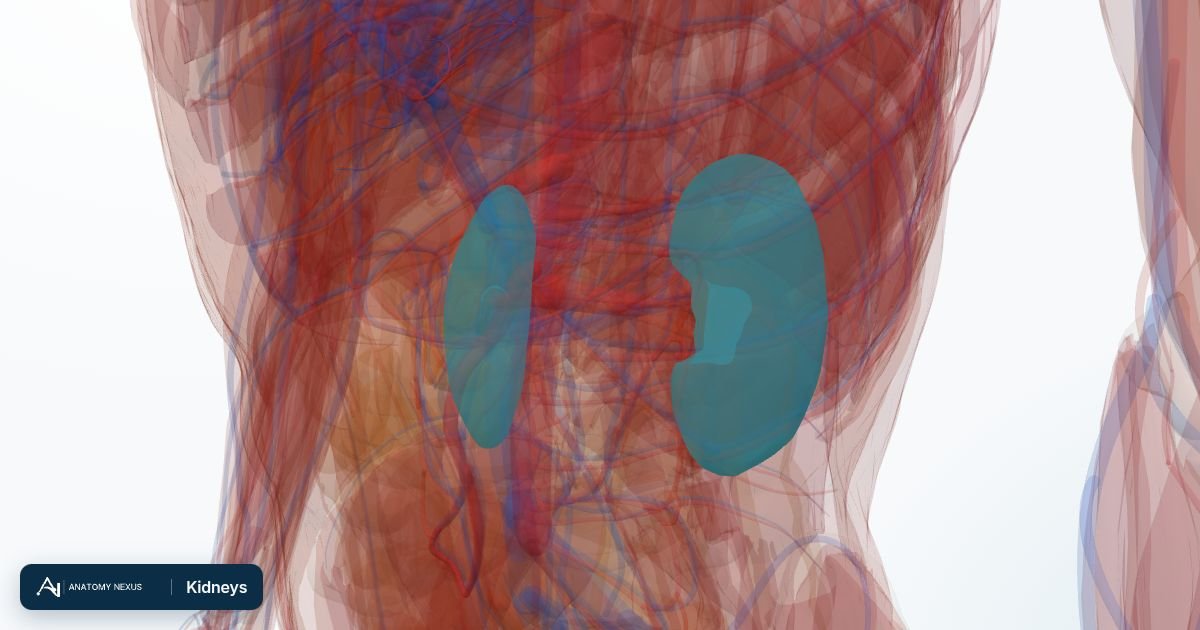
Spironolactone is a diuretic, a medicine that helps reduce fluid build-up in the body. Blood tests for potassium and kidney function are part of monitoring. High potassium in the blood is the main serious risk.
The NHS Specialist Pharmacy Service lists creatinine or eGFR, electrolytes and potassium as checks before treatment, with kidney function and electrolytes checked again after starting or changing treatment. In children, sodium and potassium levels in the blood are checked during treatment.
Legal status differs between countries and can change; each row cites the document it was taken from and applies only to the country named.
What it is used for
Heart failure
Oedema (fluid build-up) linked to heart failure, to cirrhosis of the liver with ascites, to malignant ascites and to nephrotic syndrome, as listed in UK product information
Primary hyperaldosteronism, for diagnosis and treatment, as listed in an older-format Aldactone product summary on emc
Acne in women, which UK dermatology and hospital leaflets describe as an off-licence use
How it works in the body
Spironolactone is an aldosterone antagonist, which means it acts against the hormone aldosterone. A review of spironolactone and eplerenone says they increase the amount of sodium lost in the urine and cause the kidneys to hold on to potassium when aldosterone levels are high. Because it keeps potassium in the body, spironolactone belongs to the group known as potassium-sparing diuretics.
Common side effects
Dizziness, feeling sick (nausea), muscle or leg cramps and tiredness are among the common side effects the NHS lists.
The NHS also lists breast pain or breast enlargement, including in men, as a common side effect.
The Aldactone patient leaflet lists menstrual problems in women as uncommon, and breast pain as common in men and uncommon in women.
One UK patient leaflet says drowsiness and dizziness have been associated with treatment and may affect the ability to drive or operate machinery.
Serious: seek help
Spironolactone can raise potassium levels in the blood (hyperkalaemia), which can cause muscle weakness, tiredness, numbness and an irregular heartbeat.
A hospital leaflet for acne use lists high blood potassium as very rare and more likely in people over 45 or with heart or kidney problems.
Spironolactone can sometimes affect kidney function as well as raising potassium.
The NHS lists a serious allergic reaction (anaphylaxis) as a possible side effect, with symptoms including a swollen throat or tongue, a raised itchy rash and difficulty breathing.
Symptoms that could point to high potassium need prompt advice from NHS 111 or the GP the same day, and a possible serious allergic reaction is an emergency needing a 999 call.
Yellow skin or eyes (jaundice) are listed in UK patient leaflets, which say spironolactone can impair liver function and that a doctor should be told straight away.
Cautions and interactions
Most adults and children can take spironolactone, but it is not suitable for everyone.
The NHS says it may not suit people with severe kidney problems or a history of high blood potassium, and hospital leaflets also list Addison's disease.
The NHS says spironolactone is not usually recommended in pregnancy, and a hospital leaflet advises against it in anyone pregnant or trying to conceive.
The NHS says breastfeeding may be possible but should be checked with a doctor or healthcare professional first.
One UK patient leaflet advises against use while breastfeeding, and the UK product summary says metabolites have been detected in breast milk, so advice can differ between sources.
The US prescribing information says that potassium supplements, potassium-containing salt substitutes, a potassium-rich diet, or medicines that can raise potassium, including ACE inhibitors, angiotensin II antagonists, NSAIDs, heparin and low molecular weight heparin, may lead to severe hyperkalaemia.
The UK product summary lists use with eplerenone or other potassium-sparing diuretics as a contraindication.
The NHS page says eating high-potassium foods such as bananas and avocados, or using salt substitutes such as Lo-Salt, can raise potassium levels further.
An NHS Specialist Pharmacy Service monitoring guide gives patient advice to avoid anti-inflammatory painkillers unless prescribed and to avoid potassium-containing salt substitutes.
The MHRA says high potassium is more likely when kidney function is impaired.
Interactions
Check interactions
Taking Spironolactone with other medicines? Add them to the checker to see what the official sources say about each pair: the mechanism, general management and monitoring, never a bare "safe".
Interactions documented in the official sources cited on each card. The list covers the medicines represented on this site and is not exhaustive; how the interaction data is compiled.
Medicines that share the class of Spironolactone. They are separate medicines with their own licences, doses and interactions, not alternative names for Spironolactone.
Medicines often discussed alongside Spironolactone: used together, compared with it, or acting on the same problem by a different route.
Key facts
Fact
Detail
Also called
Aldactone is a UK brand
Type of medicine
Diuretic that acts against aldosterone (a mineralocorticoid receptor antagonist) and spares potassium
Main uses
Fluid build-up linked to heart failure, cirrhosis or nephrotic syndrome, and heart failure
Main checks
Blood tests for potassium and kidney function
Main cautions
High potassium, kidney problems and pregnancy
What is spironolactone used for?
Spironolactone is a diuretic, a medicine that helps reduce fluid build-up in the body. UK product information lists oedema (fluid swelling) linked to heart failure, to cirrhosis of the liver with ascites, to malignant ascites and to nephrotic syndrome. An older-format Aldactone product summary on emc also lists primary hyperaldosteronism, both for diagnosis and for treatment.
The British Association of Dermatologists says spironolactone is used off licence for women with acne, which means it is not specifically indicated for that use in the UK prescribing licence, although it is still usually available on the NHS. A Gloucestershire hospital leaflet says it does not cure acne but can help manage and even clear it over time. In the UK it is sold under brand names including Aldactone tablets, Qaialdo oral suspension and Urospir oral solution. The Urospir product information says switching between the solution and other spironolactone products should be avoided if possible.
How does spironolactone work?
Spironolactone is an aldosterone antagonist, which means it acts against the hormone aldosterone. A review of spironolactone and eplerenone says they increase the amount of sodium lost in the urine and cause the kidneys to hold on to potassium when aldosterone levels are high. Because it keeps potassium in the body, spironolactone belongs to the group known as potassium-sparing diuretics. Eplerenone is a related medicine that is more selective for the aldosterone receptor, while StatPearls says spironolactone also binds progesterone and androgen receptors, which underlies its anti-androgen effects such as breast enlargement in men. A 2024 systematic review and meta-analysis in people with heart failure found lower rates of gynaecomastia with eplerenone than with spironolactone.
What are the side effects of spironolactone?
Dizziness, feeling sick (nausea), muscle or leg cramps and tiredness are among the common side effects the NHS lists. The NHS also lists breast pain or breast enlargement, including in men, as a common side effect. The Aldactone patient leaflet lists menstrual problems in women as uncommon, and breast pain as common in men and uncommon in women. A Northern Care Alliance heart failure leaflet describes breast swelling or tenderness, especially in men, as a rare effect, so the stated frequency differs between sources.
Spironolactone can raise potassium levels in the blood (hyperkalaemia), which can cause muscle weakness, tiredness, numbness and an irregular heartbeat. A hospital leaflet for acne use lists high blood potassium as very rare and more likely in people over 45 or with heart or kidney problems. Spironolactone can sometimes affect kidney function as well as raising potassium.
The NHS lists a serious allergic reaction (anaphylaxis) as a possible side effect, with symptoms including a swollen throat or tongue, a raised itchy rash and difficulty breathing. Symptoms that could point to high potassium need prompt advice from NHS 111 or the GP the same day, and a possible serious allergic reaction is an emergency needing a 999 call. Yellow skin or eyes (jaundice) are listed in UK patient leaflets, which say spironolactone can impair liver function and that a doctor should be told straight away.
Taking spironolactone with other medicines, food and salt substitutes
The US prescribing information says that potassium supplements, potassium-containing salt substitutes, a potassium-rich diet, or medicines that can raise potassium, including ACE inhibitors, angiotensin II antagonists, NSAIDs, heparin and low molecular weight heparin, may lead to severe hyperkalaemia. The UK product summary lists use with eplerenone or other potassium-sparing diuretics as a contraindication. The same US label says NSAIDs may reduce the diuretic, natriuretic and antihypertensive effect of spironolactone. An NHS Specialist Pharmacy Service monitoring guide gives patient advice to avoid anti-inflammatory painkillers unless prescribed and to avoid potassium-containing salt substitutes. The NHS page says eating high-potassium foods such as bananas and avocados, or using salt substitutes such as Lo-Salt, can raise potassium levels further. The MHRA has published a Drug Safety Update on the risk of potentially fatal hyperkalaemia when spironolactone is used with renin-angiotensin system drugs in heart failure.
Who needs extra care, and what monitoring is involved?
The NHS says it may not suit people with severe kidney problems or a history of high blood potassium, and hospital leaflets also list Addison's disease. The NHS says spironolactone is not usually recommended in pregnancy, and a hospital leaflet advises against it in anyone pregnant or trying to conceive. The NHS says breastfeeding may be possible but should be checked with a doctor or healthcare professional first. One UK patient leaflet advises against use while breastfeeding, and the UK product summary says metabolites have been detected in breast milk, so advice can differ between sources. LactMed reports limited data indicating that spironolactone is poorly excreted into breast milk.
The NHS Specialist Pharmacy Service lists creatinine or eGFR, electrolytes and potassium as checks before treatment, with kidney function and electrolytes checked again after starting or changing treatment. In children, sodium and potassium levels in the blood are checked during treatment. The MHRA says high potassium is more likely when kidney function is impaired.
Frequently asked questions
Why are blood tests needed with spironolactone?
The NHS Specialist Pharmacy Service lists creatinine or eGFR, electrolytes and potassium as checks before treatment, with kidney function and electrolytes checked again after starting or changing treatment. The MHRA says high potassium is more likely when kidney function is impaired. Spironolactone can sometimes affect kidney function as well as raising potassium.
Do salt substitutes and potassium-rich foods matter?
The NHS page says eating high-potassium foods such as bananas and avocados, or using salt substitutes such as Lo-Salt, can raise potassium levels further. An NHS Specialist Pharmacy Service monitoring guide gives patient advice to avoid anti-inflammatory painkillers unless prescribed and to avoid potassium-containing salt substitutes.
Can spironolactone be used in pregnancy or while breastfeeding?
The NHS says spironolactone is not usually recommended in pregnancy, and a hospital leaflet advises against it in anyone pregnant or trying to conceive. The NHS says breastfeeding may be possible but should be checked with a doctor or healthcare professional first. One UK patient leaflet advises against use while breastfeeding, and the UK product summary says metabolites have been detected in breast milk, so advice can differ between sources.
Does spironolactone cause breast or period changes?
The NHS also lists breast pain or breast enlargement, including in men, as a common side effect. The Aldactone patient leaflet lists menstrual problems in women as uncommon, and breast pain as common in men and uncommon in women. A Northern Care Alliance heart failure leaflet describes breast swelling or tenderness, especially in men, as a rare effect, so the stated frequency differs between sources.
Is spironolactone used for acne?
The British Association of Dermatologists says spironolactone is used off licence for women with acne, which means it is not specifically indicated for that use in the UK prescribing licence, although it is still usually available on the NHS. A Gloucestershire hospital leaflet says it does not cure acne but can help manage and even clear it over time.
Connected pages in detail
What each linked page on Anatomy Nexus covers, in a line, for Spironolactone.
Conditions
Heart failureA syndrome in which the heart cannot pump enough blood to meet the body's needs, or can do so only at raised filling pressures.
Chronic kidney diseasePersistent reduction in kidney function (a filtration rate below 60 ml/min) or evidence of kidney damage such as protein in the urine.
CirrhosisScarring of the liver from long-term damage, in which nodules of regenerating cells are surrounded by fibrous bands that distort blood flow and…
Medical tests
ElectrolytesThe dissolved salts that set the water content of the body and the electrical behaviour of nerves, muscle and the heart: sodium, potassium, chloride.
Kidney function testsCreatinine and urea are waste products the kidneys should clear; how much builds up in blood shows how well they are filtering.
Blood pressure measurementThe pressure of blood against the artery walls, recorded as two numbers: the systolic pressure when the heart contracts and the diastolic pressure…
Medications
LisinoprilAn ACE inhibitor that lowers blood pressure, protects the heart after a heart attack and in heart failure.
RamiprilAn ACE inhibitor that relaxes blood vessels and eases the heart's workload, used for high blood pressure, heart failure.
FurosemideA powerful loop diuretic that makes the kidneys excrete salt and water within an hour, used to clear fluid overload in heart failure.
LosartanAn angiotensin receptor blocker (ARB) that relaxes blood vessels to lower blood pressure and protect the kidneys in diabetes.
Drug classes
Mineralocorticoid receptor antagonistsMineralocorticoid receptor antagonists, also called aldosterone antagonists, are medicines that act against the hormone aldosterone.
Educational content. Anatomy Nexus provides medical education and does not replace professional medical advice, diagnosis, treatment, prescribing or pharmacist review. Doses, choices and monitoring are decided by a prescriber for an individual; never start, stop or change a medicine on the basis of this page.