



Opioid painkillers: how they work and what the NHS says about the risks
Opioids such as morphine are prescription painkillers for severe pain; the NHS lists constipation and sleepiness as common side effects.
Key points
- The NHS describes morphine as a strong opioid painkiller, available only on prescription and used for severe pain, such as after an operation or serious injury, or from cancer.
- Constipation, feeling sick and sleepiness are the most common morphine side effects the NHS lists, and the chance of side effects is higher with a higher dose.
- The NHS says the body can become used to tramadol over time, so higher doses may gradually be needed, and that it is possible to become addicted.
- The NHS says morphine should not be stopped suddenly because withdrawal symptoms may follow, and that a doctor reduces the dose gradually over time.
- The NHS says to call 999 for breathing difficulties or a seizure, NHS 111 can give urgent advice about side effects, and a GP may be a good place to start for help with drug addiction.
What are opioid painkillers used for?
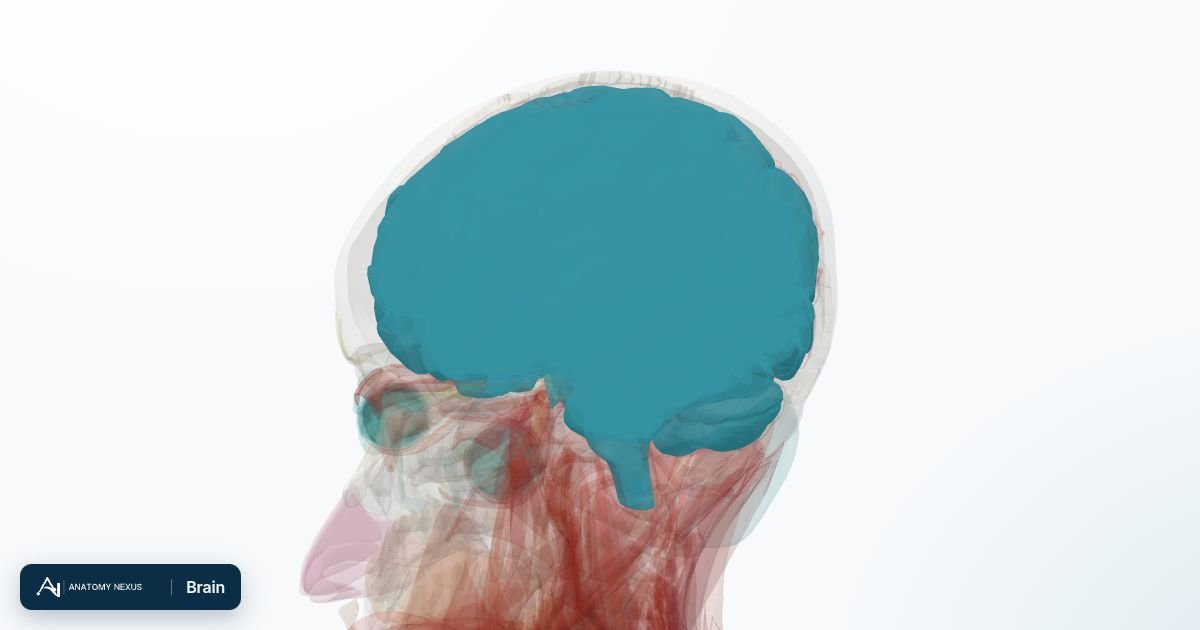
The NHS describes morphine as a strong opioid painkiller that is available only with a prescription. It is used to treat severe pain, such as pain after an operation or a serious injury, or pain from cancer or a heart attack. The NHS also says it is used for longer-lasting pain when weaker painkillers no longer work. Morphine acts in the central nervous system and brain to stop pain signals reaching the rest of the body, and it also eases the anxiety and stress that pain produces. The NHS describes it as a controlled medicine and says that, because addiction is possible, the dose is reviewed so that a person takes only what is needed to control the pain.
Does morphine come in different forms?
According to the NHS, morphine can be given in several ways, including as an injection into a vein, as tablets or liquid, and as slow-release forms. An injection into a vein gives the quickest relief, working almost straight away. Tablets and liquid act more slowly than an injection, and slow-release forms take longer to start working but last longer. The NHS says the amount of pain a person has, rather than the stage of their illness, decides whether morphine is prescribed.
What are the common side effects?
The NHS says the most common side effects of morphine are constipation, feeling sick and sleepiness. Dizziness, confusion, headaches and an itchy skin or rash can also occur. The NHS says the higher the dose of morphine, the more chance of side effects. Morphine slows digestion, which is why it can cause constipation, and the NHS says a laxative is likely to be needed to help prevent or treat it. Feeling sick should normally wear off after a few days, and the NHS says that taking the dose with a meal or snack helps. Drowsiness typically fades as the body adjusts, and the NHS says to speak to a doctor or pharmacist with any concerns.
What are tolerance and addiction?
The NHS tramadol page says the body can become used to the medicine with long-term use, which means higher doses are gradually needed to get the same effect. The NHS says it is possible to become addicted to tramadol, and it lists people with a history of addiction to alcohol, strong painkillers or recreational drugs among those who may not be able to take it. For morphine, the NHS says addiction is possible and that the dose is reviewed. NICE guidance on medicines associated with dependence links long-term treatment and higher doses taken long term with a greater risk of dependence. NICE chronic pain guidance recommends against starting opioids for chronic primary pain.
What does the NHS say about stopping morphine?
The NHS says not to stop taking morphine suddenly, because withdrawal symptoms may follow. It lists agitation, panic attacks, palpitations, sweating and restlessness as examples. The NHS says a doctor will gradually reduce the dose over time. NICE says clinicians should explain the risk of stopping abruptly, and its guidance favours slow dose reduction, noting that the pace of safe withdrawal differs between people. For questions about stopping, the NHS points to the prescriber or a pharmacist.
What does the NHS say about alcohol and driving?
For tramadol, the NHS advises not drinking alcohol, because side effects such as feeling sleepy are more likely. For morphine, the NHS says it may be best not to drink alcohol, because it may make a person feel sleepier or increase the risk of serious side effects. The NHS says not to drive a car, ride a bike or use heavy tools or machinery if tramadol makes a person sleepy or dizzy, and gives similar advice for morphine when drowsy or dizzy. The NHS also says that recreational drugs can raise the risk of serious side effects with tramadol.
When is it an emergency, and where can help for addiction be found?
The NHS says serious side effects of morphine are uncommon, and include an allergic reaction (anaphylaxis), slowed breathing and changes to vision. It says to call 999 for breathing difficulties or a seizure, and also for signs of anaphylaxis such as sudden swelling of the lips, mouth, throat or tongue. For urgent advice about side effects, the NHS points to NHS 111. For help with drug addiction, the NHS says a GP may be a good place to start, as they can discuss the problem and help get a person into treatment. The GP will usually refer to a local drug service, and the NHS adds that many drug treatment services accept self-referrals.
More guides and news
- Burns and scalds: first aid and when to get help Guide · 3 November 2026
- Ibuprofen and paracetamol together: NHS view Guide · 3 November 2026
- Alcohol and antibiotics: what the NHS says Guide · 3 November 2026
- Alcohol units: the UK low-risk drinking advice Guide · 3 November 2026