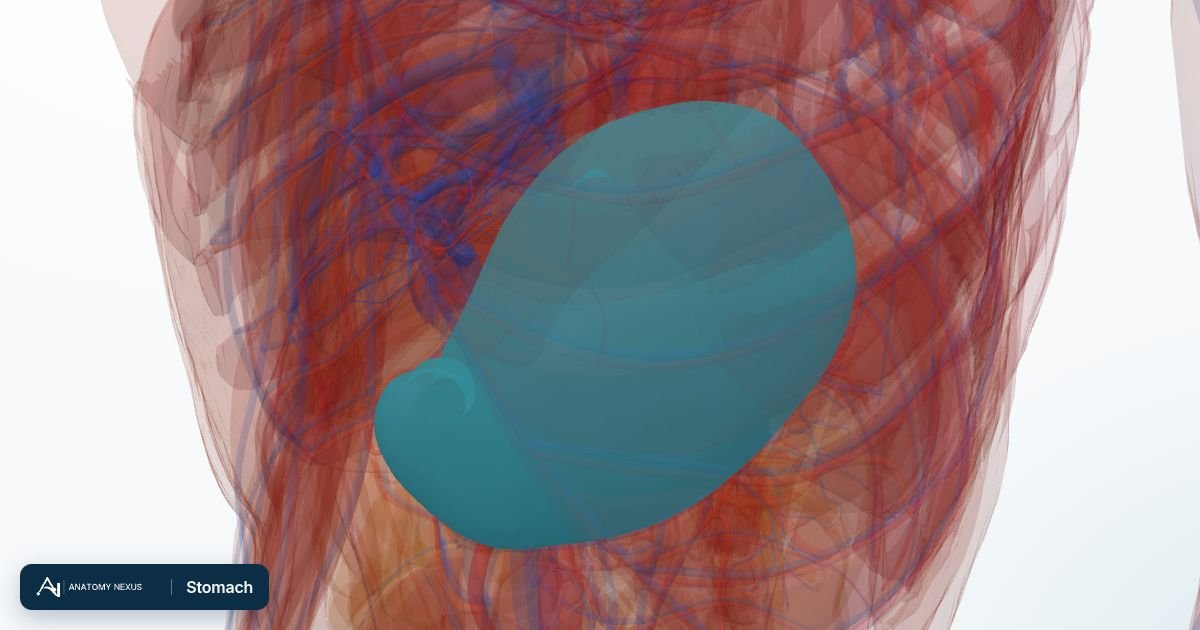
Naproxen is a painkiller that also treats inflammation, used for conditions such as period pain, back pain, gout and arthritis. It can cause ulcers and bleeding in the stomach or gut, so the lowest amount that works is used for the shortest time. Vomiting blood or passing black, tar-like poo needs a call to a GP or NHS 111 straight away.
Legal status differs between countries and can change; each row cites the document it was taken from and applies only to the country named.
What it is used for
Period pain
Joint and muscle pain and swelling, including osteoarthritis, rheumatoid arthritis and gout
Back pain, sprains and strains
In the US, prescription naproxen is also used for juvenile arthritis and ankylosing spondylitis
How it works in the body
Naproxen is a non-steroidal anti-inflammatory drug (NSAID). It works by reducing hormones that cause inflammation and pain in the body. This eases swelling and pain in joints and muscles.
Common side effects
Constipation or diarrhoea, bloating and stomach pain, and feeling or being sick
Dizziness, feeling sleepy or tired, and headaches
A rash and ringing in the ears
Serious: seek help
Ulcer in the stomach or gut, more likely after long use or in big doses; vomiting blood or dark particles like coffee grounds, blood in the poo or black tar-like poo are signs of bleeding, and the NHS says to call a doctor or NHS 111 now
Serious allergic reaction (anaphylaxis): sudden swelling of the lips, mouth, throat or tongue, or very fast or difficult breathing, needs a 999 call
Chest pain, which could be a heart attack, needs a 999 call
Rarely, aseptic meningitis (fever, sickness, confusion, headache, neck stiffness, sensitivity to light), for which the NHS says to call 999 or go to A&E
Cautions and interactions
People who have had an allergic reaction to, or a serious side effect from, naproxen, ibuprofen, aspirin or another NSAID are advised not to take it
A past stomach ulcer or bleeding: a doctor may advise against naproxen
The NHS lists conditions such as high blood pressure, severe liver or kidney failure, severe heart failure and other heart problems, Crohn's disease or ulcerative colitis, lupus and blood-clotting disorders among those that may rule naproxen out or call for a doctor's check
UK patient leaflets for naproxen say to talk to a doctor or pharmacist first about asthma or allergies such as hay fever
Not taken together with other NSAIDs such as ibuprofen or aspirin, because this raises the risk of serious side effects such as stomach ulcers
Interacting medicines named by the NHS include anticoagulants such as warfarin, steroids, antidepressants and medicines to lower blood pressure
Alcohol can increase the risk of side effects such as stomach ulcers or bleeding, so the NHS advises limiting it
The NHS says naproxen is not usually recommended in pregnancy or while breastfeeding
Interactions
Check interactions
Taking Naproxen with other medicines? Add them to the checker to see what the official sources say about each pair: the mechanism, general management and monitoring, never a bare "safe".
Interactions documented in the official sources cited on each card. The list covers the medicines represented on this site and is not exhaustive; how the interaction data is compiled.
No pair records for this medicine are in the sources currently represented by Anatomy Nexus. Absence from this list does not mean no interaction exists.
As a member of NSAIDs
Records written for the whole nsaids class apply to Naproxen.
Contraindicated or avoidOfficial guidance: avoid the combinationtherapeutic duplication
Taking ibuprofen with another NSAID (naproxen, diclofenac, celecoxib, high-dose aspirin) adds stomach, kidney and heart harm without extra pain relief.
Why it can occur
additive bleeding risk
What official information says
UK information advises not taking ibuprofen with similar painkillers such as aspirin or naproxen without talking to a pharmacist or doctor.
What to discuss with a clinician
Official UK information: one NSAID at a time.
Basis of the status
NHS: Taking ibuprofen with other medicines (do not take with similar painkillers)
Any NSAID (ibuprofen, naproxen, diclofenac, celecoxib, high-dose aspirin) with losartan can reduce its effect and cause acute kidney injury and hyperkalaemia.
Why it can occur
nephrotoxicity
What official information says
UK information advises telling a doctor before taking anti-inflammatory painkillers with losartan; the BNF advises monitoring renal function.
What to discuss with a clinician
Avoid regular use where possible; monitor kidney function and potassium if combined.
Therapeutic duplication. Two NSAIDs together (including aspirin at pain-relief doses, or an oral NSAID with a prescription NSAID such as naproxen) add gastrointestinal, kidney and cardiovascular harm without extra pain relief; UK information advises not taking ibuprofen with similar painkillers without advice. UK
Medicines that share the class of Naproxen. They are separate medicines with their own licences, doses and interactions, not alternative names for Naproxen.
Medicines often discussed alongside Naproxen: used together, compared with it, or acting on the same problem by a different route.
Key facts
Fact
Detail
Medicine type
A non-steroidal anti-inflammatory drug (NSAID), a painkiller that also treats inflammation
Forms
Tablets or a liquid that is swallowed
UK availability
Some types from a pharmacy, others prescribed
Usual time to feel better
About 1 hour after taking it
Main risk
Ulcers and bleeding in the stomach or gut
Not combined with
Other NSAIDs such as ibuprofen or aspirin
Urgent help
999 for serious allergic reaction or chest pain; NHS 111 or a doctor now for signs of stomach bleeding
What is naproxen used for?
Naproxen is a painkiller that also treats inflammation, and it belongs to the group of medicines called NSAIDs. The NHS says paracetamol is usually the best treatment for most types of pain, but naproxen is better for some types, such as period pain or back pain. It can also help with joint and muscle pain, gout, osteoarthritis, rheumatoid arthritis, sprains and strains.
Naproxen comes as tablets or a liquid that is swallowed. Some types can be bought from pharmacies and others are prescribed. Adults and teenagers aged 15 and over can buy it from a pharmacy for period pain. MedlinePlus, a US source, says prescription naproxen treats osteoarthritis, rheumatoid arthritis, juvenile arthritis and ankylosing spondylitis. It says non-prescription naproxen is used for fever and mild pain such as headaches, muscle aches, menstrual pain, colds, toothaches and backaches.
How does naproxen work and how quickly?
Naproxen is an NSAID, and it works by reducing hormones that cause inflammation and pain in the body. The NHS says this reduces swelling and pain in joints and muscles. People usually start to feel better about 1 hour after taking it. With regular use it can take up to 3 days to work properly.
The NHS advises that the lowest amount that controls symptoms is used for the shortest possible time. A UK patient leaflet says naproxen should preferably be taken with or after food.
What are the side effects of naproxen?
The NHS lists constipation or diarrhoea, dizziness, feeling sleepy or tired, bloating and stomach pain, headaches, feeling or being sick, a rash and ringing in the ears as common side effects.
Naproxen can cause an ulcer in the stomach or gut, especially after long use or in big doses. Vomiting blood or dark particles that look like coffee grounds, blood in the poo or black poo that looks like tar can be signs of bleeding in the stomach or gut. The NHS says to call a doctor or NHS 111 now if these happen.
A serious allergic reaction is rare, but sudden swelling of the lips, mouth, throat or tongue, or very fast or difficult breathing, needs a 999 call. Chest pain, which could be a heart attack, also needs a 999 call. The NHS also says to call 999 or go to A&E for possible aseptic meningitis, with fever, sickness, confusion, headache, neck stiffness and sensitivity to light.
Who needs extra care with naproxen?
The NHS says naproxen is not suitable for people who have had an allergic reaction to, or a serious side effect from, naproxen, ibuprofen, aspirin or another NSAID. A doctor may advise against it for someone who has or has had a stomach ulcer. The NHS lists conditions such as high blood pressure, severe liver or kidney failure, severe heart failure and other heart problems, Crohn's disease or ulcerative colitis, lupus and blood-clotting disorders among those that may rule naproxen out or call for a doctor's check.
MedlinePlus says older adults usually take lower doses for short periods.
Naproxen with other medicines, alcohol and in pregnancy
The NHS says naproxen should not be taken at the same time as other NSAIDs such as ibuprofen or aspirin, because this raises the risk of serious side effects such as stomach ulcers. It can also interact with anticoagulants such as warfarin, steroid medicines, antidepressants and medicines to lower blood pressure.
The NHS says people can drink alcohol while taking naproxen, but limiting it is advised because alcohol can increase the risk of stomach ulcers or bleeding. In pregnancy, naproxen is not usually recommended because it may affect the baby, in particular their circulation and the level of amniotic fluid. The NHS advises avoiding naproxen in pregnancy unless a doctor or pharmacist advises it. Naproxen passes into breast milk in small amounts, and the NHS says it is not usually recommended while breastfeeding. Large amounts or long use of anti-inflammatories like naproxen can affect ovulation, which may make it harder to get pregnant.
Frequently asked questions
Is naproxen the same as ibuprofen?
Both are NSAIDs, a group of painkillers that also reduce inflammation. The NHS advises against taking naproxen at the same time as another NSAID such as ibuprofen or aspirin. This is because it raises the risk of serious side effects such as stomach ulcers.
Can I drink alcohol while taking naproxen?
The NHS says people can drink alcohol while taking naproxen. It advises limiting how much, because alcohol can increase the risk of side effects such as stomach ulcers or bleeding.
Does naproxen affect driving?
The NHS says naproxen will not usually affect the ability to drive, ride a bike or use machinery. If someone feels dizzy or tired or has problems with their vision after taking it, the NHS advises waiting until these effects have gone before driving.
Can I take naproxen in pregnancy?
The NHS says naproxen is not usually recommended in pregnancy because it may affect the baby, in particular their circulation and amniotic fluid levels. The NHS says paracetamol is usually the best painkiller in pregnancy.
When should I get urgent help with naproxen side effects?
Call 999 for sudden swelling of the lips, mouth, throat or tongue, trouble breathing or chest pain. For vomiting blood, blood in the poo or black tar-like poo, the NHS says to call a doctor or NHS 111 now.
Connected pages in detail
What each linked page on Anatomy Nexus covers, in a line, for Naproxen.
Conditions
OsteoarthritisThe commonest joint disease: progressive loss of articular cartilage with changes in the underlying bone, causing pain and stiffness.
Rheumatoid arthritisA chronic autoimmune disease in which the immune system attacks the synovial lining of joints.
GoutAn inflammatory arthritis caused by deposition of uric acid crystals in joints, triggered when blood urate is persistently high.
Peptic ulcerA break in the lining of the stomach or duodenum that extends through the mucosa, caused by acid acting on a weakened defence.
Symptoms
Back painPain in the spine or the muscles beside it, most often the lower back.
IbuprofenA non-steroidal anti-inflammatory (NSAID) that eases pain, inflammation and fever by blocking prostaglandin production.
AspirinA low-dose antiplatelet that stops platelets clumping into clots, used long term after heart attacks and strokes.
ParacetamolThe first-line painkiller and fever reducer for most people (acetaminophen in North America).
OmeprazoleA proton pump inhibitor that switches off acid production in the stomach.
Drug classes
NSAIDsPainkillers that also reduce inflammation and fever: ibuprofen, naproxen, diclofenac and the COX-2 selective coxibs.
Educational content. Anatomy Nexus provides medical education and does not replace professional medical advice, diagnosis, treatment, prescribing or pharmacist review. Doses, choices and monitoring are decided by a prescriber for an individual; never start, stop or change a medicine on the basis of this page.